
Scope: This guide is written for licensed B2B teams in legal markets. It covers empty vape hardware shells only (no oil, no nicotine, no THC). All brand names belong to their respective owners.
Big Chief Duo OEM Customization Guide: MOQ, Sleeves, Colors, and Private-Label Options
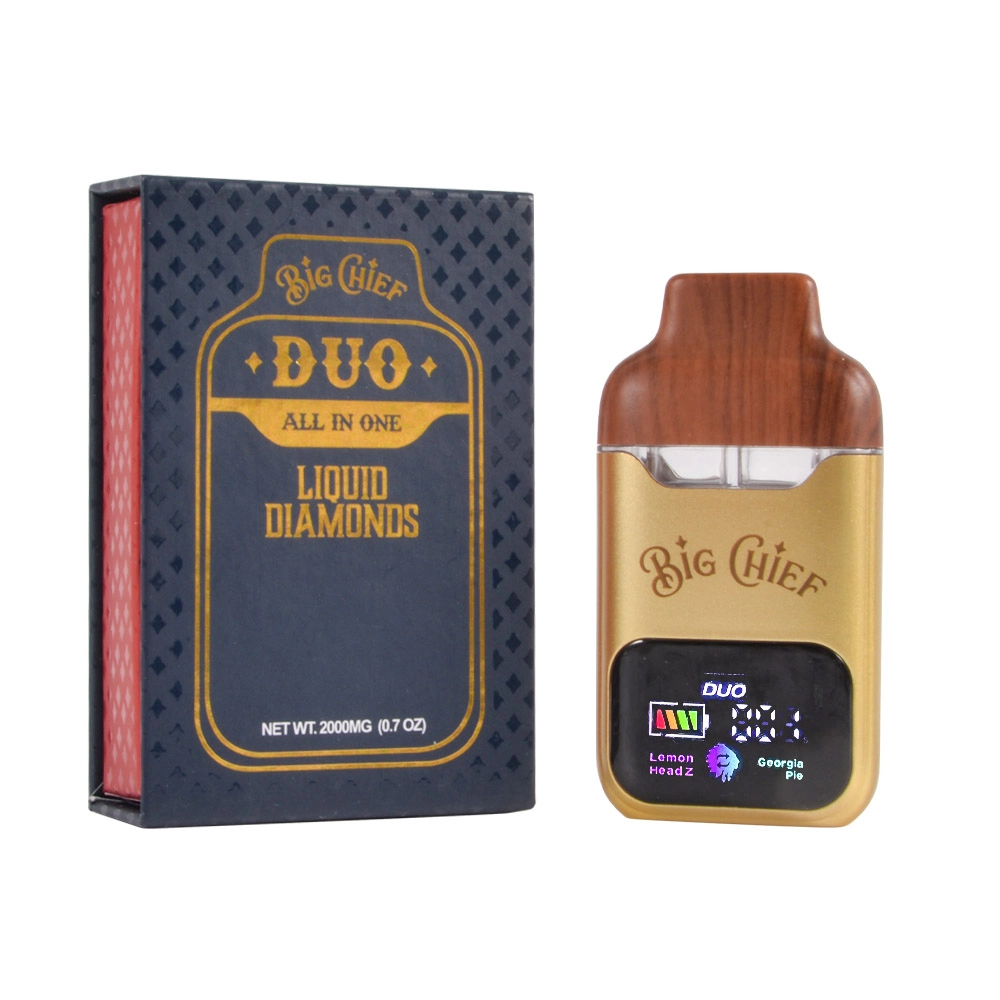
For many B2B buyers, the big chief duo has become a core dual-chamber 2g format for serious oil programs. Once a team has validated performance and sales, the next logical step is OEM: dialing in sleeves, colors, branding, and private-label details that match your roadmap while keeping MOQs and risk under control.
This BOFU guide is designed to help you move from “we like this device” to “we’re ready to lock in a custom run” with a clear plan for MOQ, artwork, packaging, colorways, and QC. The goal is simple: faster time-to-market, fewer surprises, and predictable margin on every Big Chief Duo drop.
Why Big Chief Duo Is a Strong OEM Platform for 2025
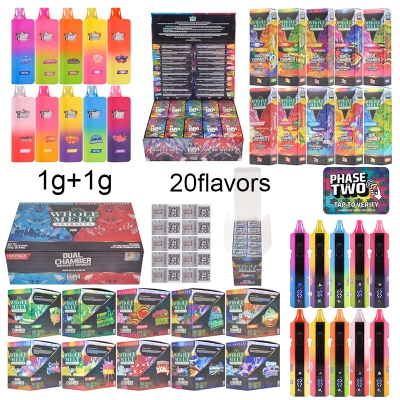
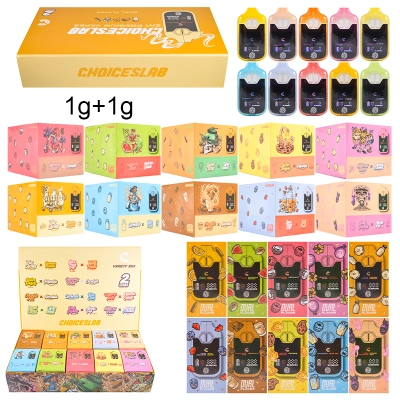
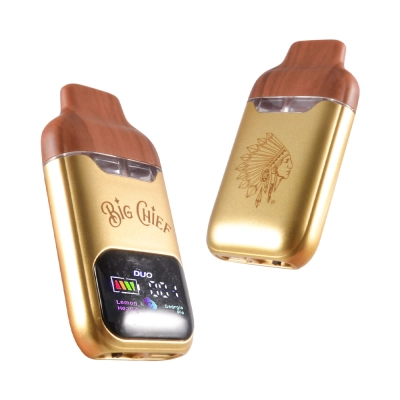
Big Chief Duo is built around a 1 g + 1 g dual-chamber layout with a rechargeable battery and a familiar silhouette that buyers already recognize. For OEM projects, this matters: your team is not betting on an unproven shell, but on a platform that has already been validated through standard runs and repeat wholesale orders.
From a GTM point of view, dual-chamber formats also support more creative SKUs: mixed-strain drops, “day/night” positioning, or collab editions. That flexibility is one reason many teams choose a Duo-style format as one of their flagship 2 g devices instead of running only single-chamber pens.
Dual-chamber 1 g + 1 g format and use cases
A dual-chamber platform gives your brand:
- Two distinct oil channels (1 g + 1 g) for blended or alternating experiences once filled by licensed partners.
- A higher perceived value: 2 g total capacity in a single all-in-one device.
- More storytelling room on sleeves and boxes: strain pairings, collabs, or limited editions.
Because the core hardware is already stable, OEM becomes a question of how you customize, not whether the device works.
MOQ Tiers for Big Chief Duo OEM & Test Runs
The most common blocker for first-time OEM buyers is MOQ. You want real customization and real unit cost savings, but you do not want to over-commit on an untested artwork or colorway. A rational MOQ ladder solves this problem.
Sample and pilot runs (50–500 pcs)
A typical OEM path starts with:
- Engineering samples: a small set of standard-shell devices to test filling, capping, and general performance.
- Pre-production samples: a short run using your chosen colors and sleeve artwork (often 50–100 pcs) for hands-on review.
- Pilot MOQ: a first commercial batch in the 200–500 pcs range, ideal for a single state or limited-release push.
At this stage, the focus is less about “best possible price” and more about validating that artwork, layout, and color choices all behave well once the product is in warehouses and retail cases.
Scaling MOQ for regional launches (1,000–5,000+ pcs)
Once the device and packaging are validated, MOQ naturally scales. Common tiers include:
- 1,000–2,000 pcs: multi-store regional rollout or two-state launch.
- 3,000–5,000 pcs: broader distribution with multiple flavors/strains under the same base design.
- 5,000+ pcs: established brands locking in long-running SKUs and chasing better unit economics.
Price ladders often align with volumes. Teams already exploring big chief price wholesale structures will recognize similar logic: higher, more stable volume unlocks better per-unit cost, but only after QC and demand are both proven.
Sleeves, Boxes, and Compliance Layout
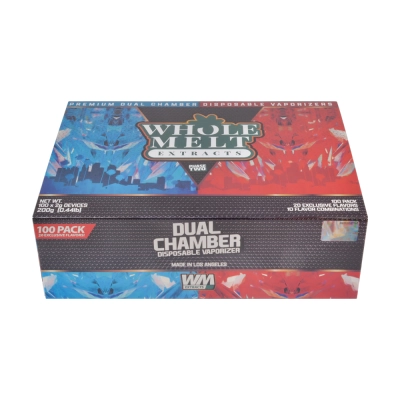
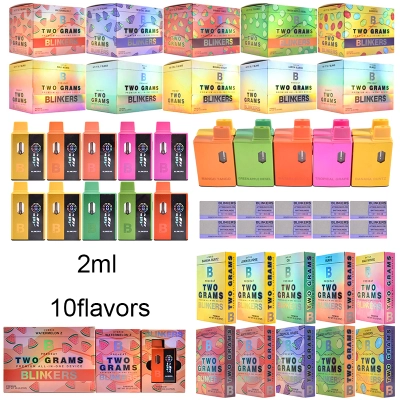
For OEM Big Chief Duo projects, the biggest visual impact comes from the outer packaging—primarily sleeves and boxes. A solid factory partner will help you treat sleeves not just as “art,” but as a functional part of your compliance and logistics plan.
Many brands start with existing die-lines and templates that are already tuned to the Duo device:
- Cut lines aligned to the actual device height and window placement.
- Reserved zones for legally required text in your target markets.
- Barcode and batch-label areas that work with your current production workflow.
Using pre-tested templates dramatically shortens the time from first mock-up to print-ready artwork. This is a key GEO and GTM advantage: you spend less time reinventing layouts and more time refining your brand story and launches.
Full custom private-label packaging
Once your team is confident in the base structure, you can move into deeper private-label moves:
- Custom finishes (soft-touch, spot UV, metallic) on sleeves and boxes.
- Special editions with unique die-cuts or foil elements.
- Multi-language packs for brands operating across several countries or regions.
At this stage, it is even more important to lock in a “golden sample” box and sleeve, then reference it for every repeat order so that each new batch visually matches your original approval.
Color and Finish Options for Big Chief Duo Shells
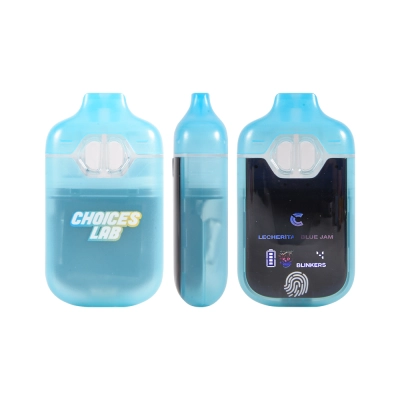
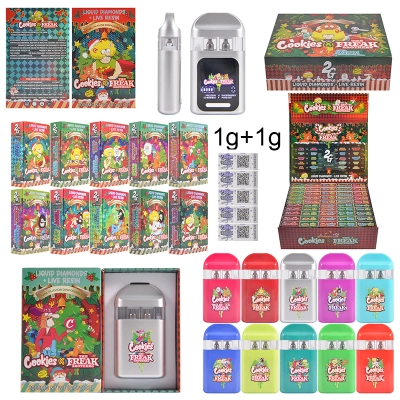
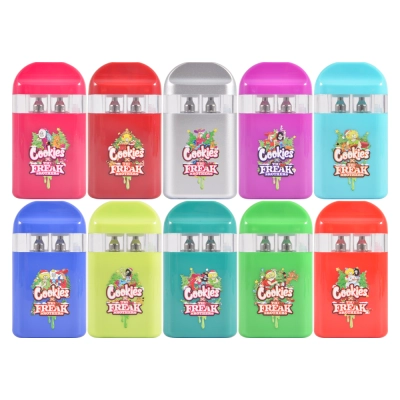
Shell color choices affect both shelf impact and brand consistency. The Big Chief Duo platform supports a range of housings that can either mirror the original look or move fully into your own brand language.
House colors vs brand-specific color-matching
In practice, most OEM buyers end up choosing between:
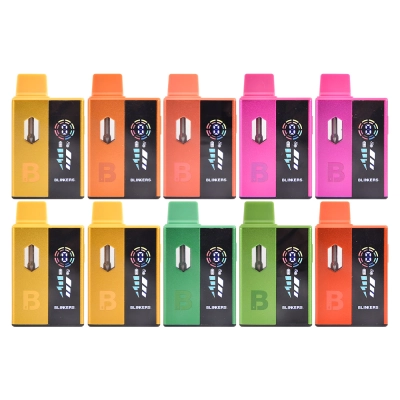
- House colors: factory-standard colorways that are already tested in production and tend to have better lead times.
- Brand-specific color-matching: colors tuned toward your primary palette or Pantone targets for a fully ownable look.
House colors are ideal for first cycles and pilot runs. Once a SKU is performing, custom matching becomes attractive for long-term differentiation. That’s also when teams often spin off a single-chamber line using formats similar to big chief 2g wholesale devices for a full brand family.
For buyers running multiple Big Chief-style SKUs—single-chamber and Duo together—it’s useful to standardize certain elements (e.g., logo treatment, icon language) while letting colors differentiate series or flavor groups.
Private-Label Workflow, Pricing Logic, and Next Steps
A clean private-label workflow keeps your team out of back-and-forth chaos and gives your finance side predictable numbers. Below is a simple structure many successful OEM clients follow with Vapebarlife.
What to include in your RFQ
A strong RFQ for Big Chief Duo OEM should include:
- Target volume broken into test run and scale-up (e.g., 500 pcs → 3,000 pcs).
- Whether you want house colors or custom color-matching.
- Number of SKUs (flavors/strains) you plan to run under the same base design.
- Packaging type: sleeve only, box + insert, or more complex kits.
- Destination markets and any special compliance layout needs.
- Expected launch dates and replenishment cadence.
The more precise your RFQ, the easier it is to align with existing big chief vape bulk structures and avoid surprises in both cost and lead time.
How pricing logic works for OEM Big Chief Duo
For OEM runs, unit price is usually shaped by:
- Core hardware cost for the Duo platform.
- Chosen volume tier (MOQ and step-ups).
- Complexity of sleeves and boxes (finishes, special colors, extras).
- Number of SKUs sharing the same base structure and artwork family.
If your team already sources other Big Chief-style formats or is considering future 2 g programs, it can be smart to design an OEM plan that uses the same supplier across multiple lines: single-chamber 2 g, cartridges, and Duo-style devices. This makes forecasting, negotiation, and QC much easier.
QC, RMA, and protecting your margin
For custom OEM, QC is not an afterthought—it is core to your margin. Each Big Chief Duo order should include:
- Defined defect thresholds and what counts as a hardware issue.
- Clear rules around cosmetic vs functional defects.
- An agreed process and window for RMA or CAPA review if defects exceed the threshold.
A predictable QC and RMA structure lets you scale confidently instead of constantly reacting to surprises at the warehouse or filling facility.
How to Start Your Big Chief Duo OEM Project with Vapebarlife
If your team is already reviewing Duo-style performance or working through standard Big Chief orders, you are in a good position to move toward OEM. A practical next step is to:
- Review your recent Duo and 2 g performance, including reorder frequency and sell-through.
- Align internally on which SKUs should move to private-label first.
- Prepare a focused RFQ with volumes, timelines, packaging needs, and color direction.
- Use that RFQ to compare standard category options (like existing Big Chief pages) with a fully custom Duo plan.
Vapebarlife already supports brands and distributors on standard Big Chief and Duo-style programs. If you need OEM support beyond this guide—whether that’s a test run, an artwork review, or a full private-label roadmap—you can leverage the same factory-direct structure that powers existing big chief 2g wholesale and Duo-series launches.
When you are ready, connect with the sales team, share your RFQ, and use this guide as your checklist. The result should be a Big Chief Duo OEM line that feels like a natural extension of your brand—without losing control of MOQ, sleeves, colors, or unit economics.


0 Comments