
How Rechargeable Empty Disposables Work: A Technical Overview
Empty hardware only: what “rechargeable disposables” really are
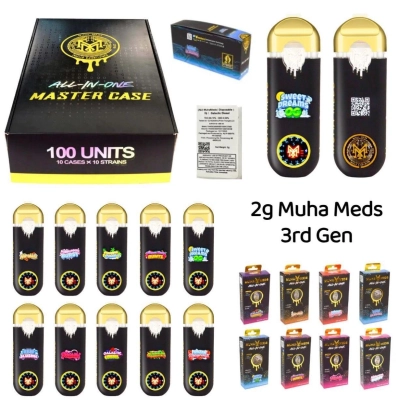
In the B2B world, a rechargeable empty disposable is not a finished consumer THC or nicotine product. It is a hardware shell that combines a rechargeable battery, a draw-activated chip, a refill-ready tank, and a sealed housing designed for licensed fillers to load their own oils. Platforms like modern Muha-style 2 gram disposables pair this architecture with slim, pocketable bodies and stable coil designs optimized for thicker oils.
Why this definition matters for compliance and planning
Treating these devices as components—not finished vapes—helps you separate hardware sourcing from regulatory questions about oil and labeling. That separation is critical when you build multi-state around recognizable silhouettes sourced through muha meds wholesale channels while keeping all filling decisions under licensed operations.
The core architecture: battery, chip, sensor, coil and housing
Most rechargeable empty disposables share a common internal layout:
- A compact rechargeable lithium cell, typically in the 200–320 mAh range for 2 g formats.
- A control chip that manages firing, protections and any screen or LED behavior.
- A draw sensor that detects airflow instead of using a physical button.
- A ceramic or composite coil with carefully sized inlet ports for viscous oils.
- A refill-ready tank or reservoir linked to the mouthpiece via a vapor path.
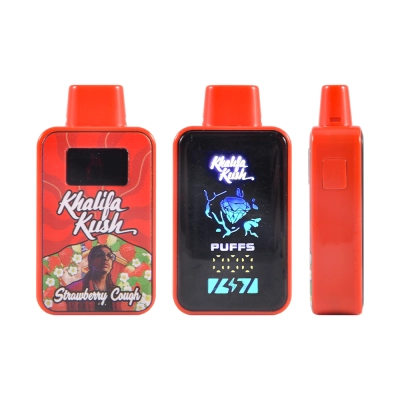
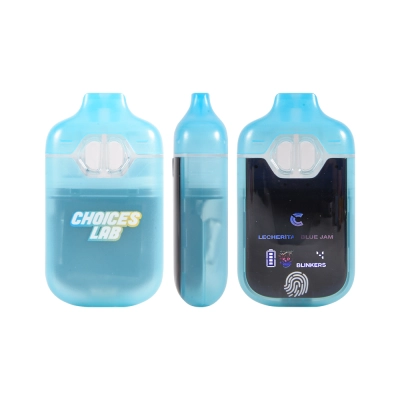
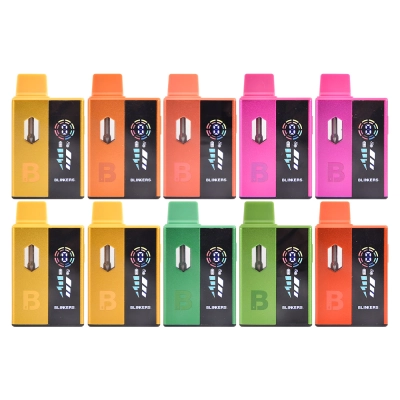
- A sealed outer housing with an oil window and, in some cases, a display window.
How the pieces interact in real use
When the user inhales, the draw sensor triggers the chip, which pulls current from the battery to heat the coil. Oil saturating the wick vaporizes, travels through the chimney, and exits at the mouthpiece. The chip enforces puff duration limits and safety cutoffs, while LEDs or screens indicate status.
Battery and power management in modern 2 g empty disposables
Rechargeable 2 g devices typically use cells in the ~240 mAh class, tuned to balance runtime, size and charge time. That capacity is enough to finish a 2 g tank for most usage patterns, provided the firmware and coil are well matched. Platforms similar to Muha-style 2 g disposables often pair those cells with USB charging and conservative cut-off logic to extend cell life and reduce failure rates.
Key battery questions B2B buyers should ask
- What is the nominal capacity (mAh) and voltage of the cell?
- Is the device single-charge only or designed for multiple charge cycles?
- Which protections are implemented: over-charge, short, over-current, low-voltage cutoff?
- Is the recommended charge current documented for your team and end users?
When you evaluate options through a muha wholesale lens, that data should be in writing before you commit to master cases or long-term programs.
Coil, wicking and oil path: why inlet size matters
Rechargeable empty disposables are optimized for viscous oils, so the coil and inlet geometry do a lot of heavy lifting. A typical 2 g design might use dual inlet ports in the ~1.6–1.8 mm range, feeding a ceramic heating core. Wider ports support thicker oils but require careful control of negative pressure and tank tolerance to prevent leaks.
Matching your oil to the hardware
- Confirm recommended viscosity range and any thinning constraints.
- Ask for coil resistance and target wattage profile (even if not user-visible).
- Run hot-fill and cold-storage tests before scaling orders.
- Log early feedback by batch ID to refine future purchase orders.
When you plan recurring muha meds bulk orders, this coil–oil match is the difference between a stable program and a support headache.
Sensors and draw activation: how “buttonless” firing works
Most rechargeable disposables are draw-activated. Inside the housing, a pressure differential from inhalation moves a membrane or triggers a solid-state sensor. The chip interprets this change as a puff request and gates power to the coil accordingly.
Protection logic layered on top of the sensor
The same chip that reads the sensor also enforces:
- Puff duration limits (e.g., 8–10 seconds) to prevent overheating.
- Lockouts after a series of rapid puffs to protect the coil and wick.
- Fault detection for short circuits or open coils.
- Low-battery cutoffs to prevent deep discharge and cell damage.
For distributors, consistent sensor sensitivity and protection behavior are key QC checkpoints across large runs.
Screens, LEDs and status indicators in rechargeable empties
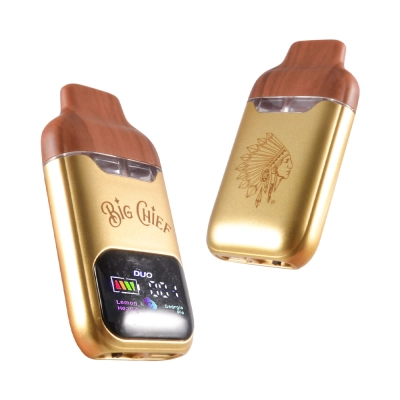
Rechargeable empty disposables started with simple indicator LEDs, but mid- to high-tier platforms now integrate screens showing battery bars, puff animations, or mode icons. Even on LED-only devices, multi-color or blink patterns communicate charging, low battery and error states.
Why visual feedback matters in your GTM plan
Clear visual feedback:
- Reduces “dead on arrival” support tickets by showing charge and error states clearly.
- Makes premium price points easier to justify compared to basic disposables.
- Gives your brand more “on-device” real estate to craft a recognizable user experience.
When pairing these devices with your muha meds disposable wholesale strategy, think of the screen or LED behavior as part of the brand story—not just a technical detail.
Charging behavior and connector design
Rechargeable empties almost always use a wired connector—historically micro-USB, with a strong shift toward USB-C in newer designs. The housing must route that connector without compromising tank stability, floor space for the battery, or the oil window.
Safe charging guidelines for B2B teams and end users
- Document the recommended adapter power (e.g., 5 V / 0.5–1 A) and avoid “fast charge” bricks.
- Train teams to avoid charging devices that show physical damage or oil contamination near the port.
- Discourage overnight charging or daisy-chained hubs in retail back rooms.
- Include charge-time expectations and indicators in your internal training sheets.
Housing, oil windows and leak management
The outer housing does more than “look good.” It anchors the tank, defines the oil window, and protects the battery and chip from impact and contamination. For rechargeable devices that stay in circulation longer than single-charge sticks, housing durability and seal integrity are even more critical.
What to test on incoming shipments
- Oil window clarity and alignment across random samples.
- Seal quality at the tank base and chimney interface.
- Housing flex and resistance to hairline cracks under normal squeezing.
- Impact tests on filled samples to detect delayed leaks.
Typical failure modes in rechargeable empties
Even with good designs, rechargeable empty disposables can fail in predictable ways:
- Light-on, no vapor from coil or connection issues.
- Intermittent firing from sensor variance or internal condensation.
- Slow seepage at seals after hot/cold cycling or shipping stress.
- Cell degradation in devices that sit too long fully discharged.
How to incorporate failure data into sourcing decisions
Track defects by batch, route, and oil formulation. Over time, that data will guide whether you continue with the same platform, adjust fill SOPs, or fine-tune your mix of 1 g vs 2 g products in your muha meds disposable bulk lineup.
Turning technical clarity into better orders
- Use technical overviews like this as gated or linked resources from your category.
- Pair each SKU with a simple one-page spec that summarizes battery, coil, inlet geometry and protections.
- Align your sales scripts with those specs so every quote call reinforces the same story.
- Feed QC and support data back into your next-season buy plan to refine volumes and platform choices.
When your tech story and your sourcing story match, rechargeable empty disposables stop being a risk factor and start becoming a reliable, repeatable pillar in your B2B hardware stack.


0 Comments