
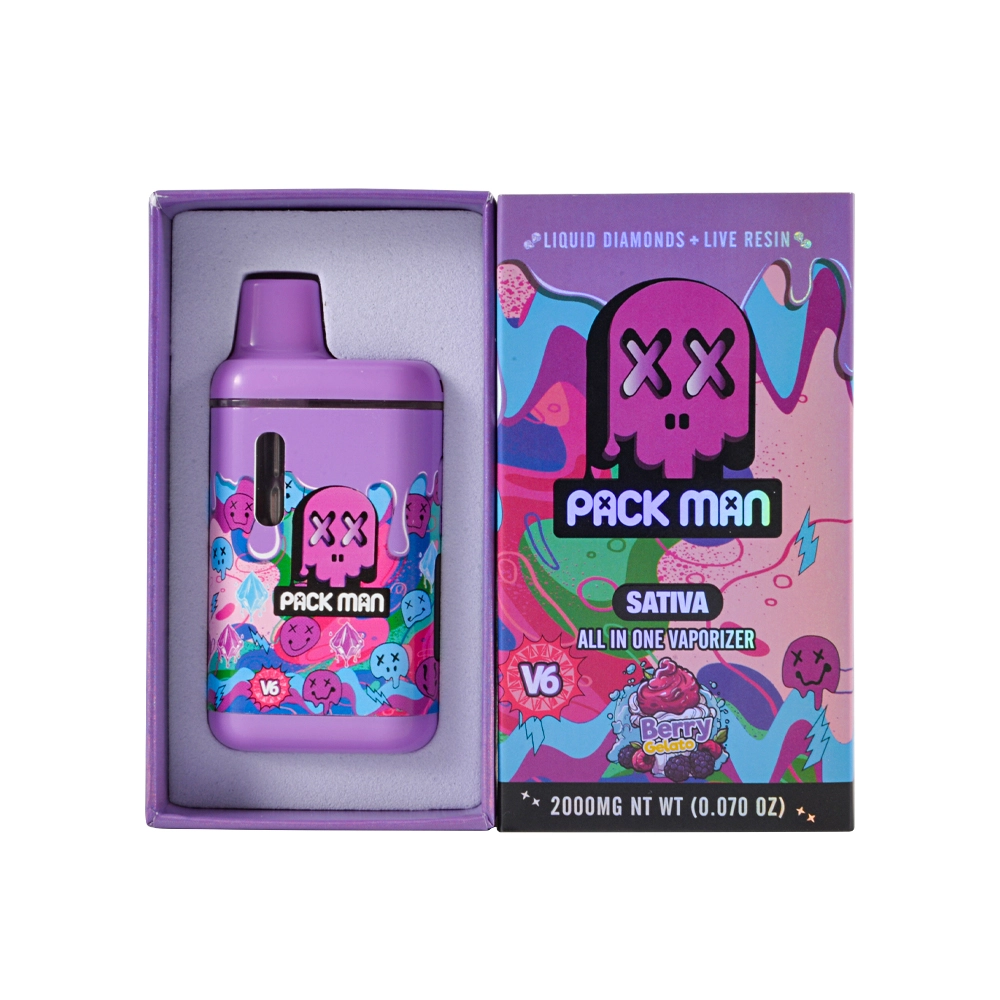
What Is Packman Dispo 2G? A Complete Introduction for New B2B Buyers
Empty hardware only: what “Packman Dispo 2G” really means
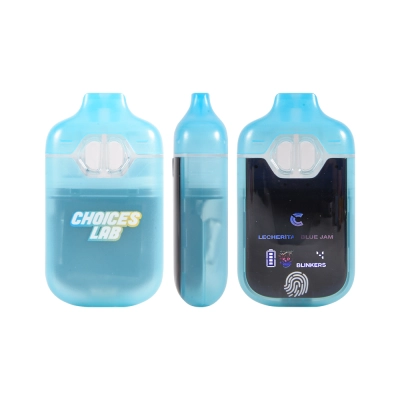
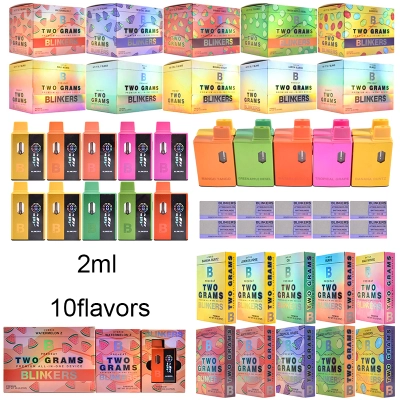
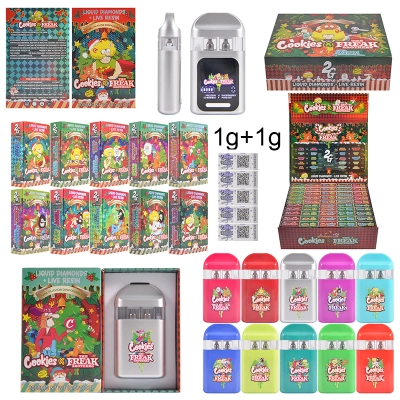
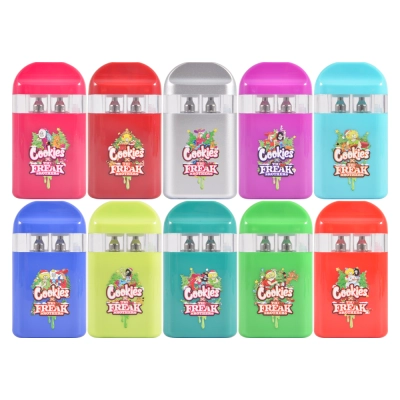
When B2B buyers talk about Packman Dispo 2G, they are referring to a family of 2-gram (≈2 ml) empty disposable shells inspired by the Packman silhouette. On Vapebarlife, these are hardware-only devices intended for licensed fillers, not pre-filled consumer products. Every unit ships empty—no oil, no nicotine, no THC—so your own team or co-packer controls the formulation, compliance, and labeling.
For many distributors, Packman-style devices are the entry point into the 2 g segment: a recognizable shape, proven 2 g tank format, and rechargeable battery, all manufactured to be filled and finished under your own brand program.
Why this definition matters for compliance and logistics
Separating hardware sourcing from oil and label compliance simplifies shipping, warehousing, and cross-border operations. By treating Packman disposables as components, you can:
- Optimize freight and customs around empty electronic hardware rather than finished THC goods.
- Standardize your 2 g chassis across multiple states and markets.
- Customize packaging, stickers, and compliance panels locally without changing the device itself.
Core 2G format: capacity, battery and chassis basics
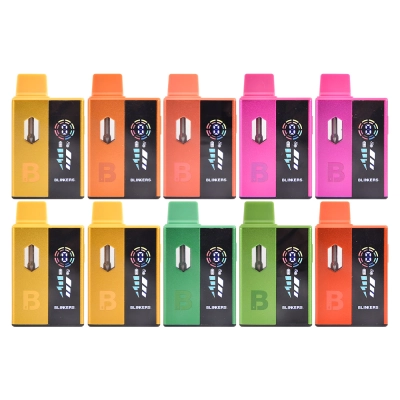
A typical packman dispo from Vapebarlife uses a 2 g (≈2 ml) internal tank, matched with a compact rechargeable battery and a fully integrated all-in-one chassis. The design goal is simple: a portable, sturdy device that can realistically finish a 2 g fill under normal puff patterns, with minimal DOA or mid-life failures.
While exact specifications vary by generation (Gen 2, Gen 3, V4, V6, etc.), Packman 2 g shells generally feature:
- 2 g capacity optimized for distillate or live-resin style oils.
- Rechargeable battery sized to support the full 2 g lifecycle.
- Ceramic coil and tuned airflow for smooth, consistent hits.
- High-impact plastic housing with brand-ready print areas and oil window options.
Typical Packman 2G hardware spec snapshot
In practice, B2B buyers should confirm key specs for each SKU: coil resistance, inlet size and count, battery rating, and whether the device includes a display screen or basic status LED only. Locking this down up front ensures that your oil system, puff style, and shelf positioning all match the hardware’s real capabilities.
Flavor, coil and airflow: how Packman built a reputation
Packman disposables became popular in part because the coil and airflow were engineered for heavy-hitting, flavor-forward profiles. For empty hardware buyers, this means you are inheriting a known user expectation: dense vapor, fast ramp-up, and a comfortable draw.
On the technical side, Packman-style 2 g devices are typically designed around:
- Ceramic or advanced porous coil structures for even heating.
- Multiple oil inlets sized for mid- to high-viscosity oils.
- Balanced airflow tuned between restrictive and free-flow for broad appeal.
Matching 2G disposables to your oil
To get consistent performance, you should align coil design with your real oil viscosity and terpene loading. That means verifying inlet dimensions, resistance, and recommended operating ranges during sample testing. Many successful B2B programs run small bench tests—different viscosities, storage conditions, and puff scenarios—before locking Packman 2 g as the default chassis for an entire line.
Packman Dispo vs Packman Switch: understanding the family
For new B2B buyers, it is important to understand how traditional 2 g disposables relate to the switch-style, dual-chamber devices in the same universe. The standard Packman 2 g disposable is a single-tank device focused on one oil at a time. In contrast, the packman switch family is built around dual chambers and “switchable” experiences.
In other words, a Packman 2 g disposable is your go-to for single-profile projects, while switch-style hardware is ideal for split-flavor or split-effect concepts under one shell.
Dual-chamber “switch” devices for multi-flavor programs
Pages such as packman switch disposable highlight how dual-chamber layouts let you place two 1 g tanks in a single device, often with a central selector or smart chip logic to control which chamber is active. In many regions, buyers also search for the same hardware under alternative spelling like pac man switch disposable, so aligning your content with both variants captures more search intent while pointing to the same underlying hardware and QC expectations.
Key questions new B2B Packman buyers should ask
A complete introduction to Packman Dispo 2G isn’t just specs and photos; it’s also about knowing which questions to bring to your supplier before you place the first serious purchase order. At minimum, new buyers should clarify:
- Oil compatibility: recommended viscosity and common failure modes if used outside spec.
- Battery behavior: low-battery indication, rechargeability, and protection features.
- QC thresholds: acceptable leakage, DOA, and cosmetic defect rates per batch.
- Warehousing: where stock is physically located (e.g., US/EU vs. factory only).
- Customization options: print, stickers, bags, and multi-SKU flavor architecture.
Recommended sampling and pilot-batch strategy
Rather than jumping straight into a 2,000+ unit drop, most experienced buyers run a structured pilot: sample a few hundred Packman 2 g shells, fill them with your actual oil system, distribute to a limited buyer group, and track returns, complaints, and reorder interest. This approach turns Packman Dispo 2G from a hunch into a data-backed hardware decision.
QC and failure modes: what Packman 2G teaches you
Because Packman 2 g disposables are widely used, their most common field issues are also well-understood: occasional seepage under extreme heat, user-side over-charging on rechargeable variants, or mis-handled units that break at the mouthpiece seam. The upside is that these patterns are predictable and can be addressed by tightening your incoming QC and packing standards.
- Inspect random units for micro-cracks around the mouthpiece and oil window.
- Test cold-start behavior after storage and transport in varying temperatures.
- Confirm that charging ports, if present, are well-fitted and not prone to looseness.
Using Packman data to improve your whole catalog
Once you have real-world data on how Packman 2 g behaves, you can apply the same test logic to other devices in your lineup—dual-chamber, postless, or pod-style—making your entire catalog more resilient and predictable.
Where Packman 2G sits in your catalog and GTM plan
In a modern B2B catalog, Packman 2 g usually occupies the high-engagement, mid-to-premium slot: more impact and capacity than basic 1 g sticks, but without the complexity of multi-device kits. This makes it ideal for brands that want to:
- Run hero SKUs with strong shelf presence and repeatability.
- Introduce seasonal or collab artwork on a familiar chassis.
- Segment price tiers between 1 g intro devices and advanced screens or dual-chamber formats.
From ToFu awareness to MoFu decision content
At the top of the funnel, content like this explains what Packman Dispo 2G is in simple terms. As buyers move into the middle of the funnel, they will naturally look for deeper comparisons, spec tables, and QC guides—often landing on more specific resources such as Packman generation pages, Packman-with-screen variants, or detailed switch-device explainers. Structuring your site so those pages are one click away from this introduction is key to turning curiosity into real B2B conversations.
How Vapebarlife supports Packman 2G buyers long-term
Choosing a 2 g chassis is only the first step. Long-term success with Packman Dispo 2G depends on reliable re-orders, stable manufacturing, and clear communication when you need to scale or adjust designs. As a factory-direct supplier, Vapebarlife focuses on:
- Maintaining consistent tooling and cosmetic standards across runs.
- Providing realistic lead times and transparent stock positions.
- Offering customization pathways as your brand expands its Packman family.
Next step for new Packman B2B buyers
If you are new to Packman Dispo 2G, the most effective next move is to define your target oil system, volume, and launch timeline—then match that to a short list of Packman 2 g SKUs and switch-style alternatives. From there, a focused sampling plan plus clear QC criteria will put you on track to build a durable, data-driven Packman program rather than a one-off experiment.



0 Comments