
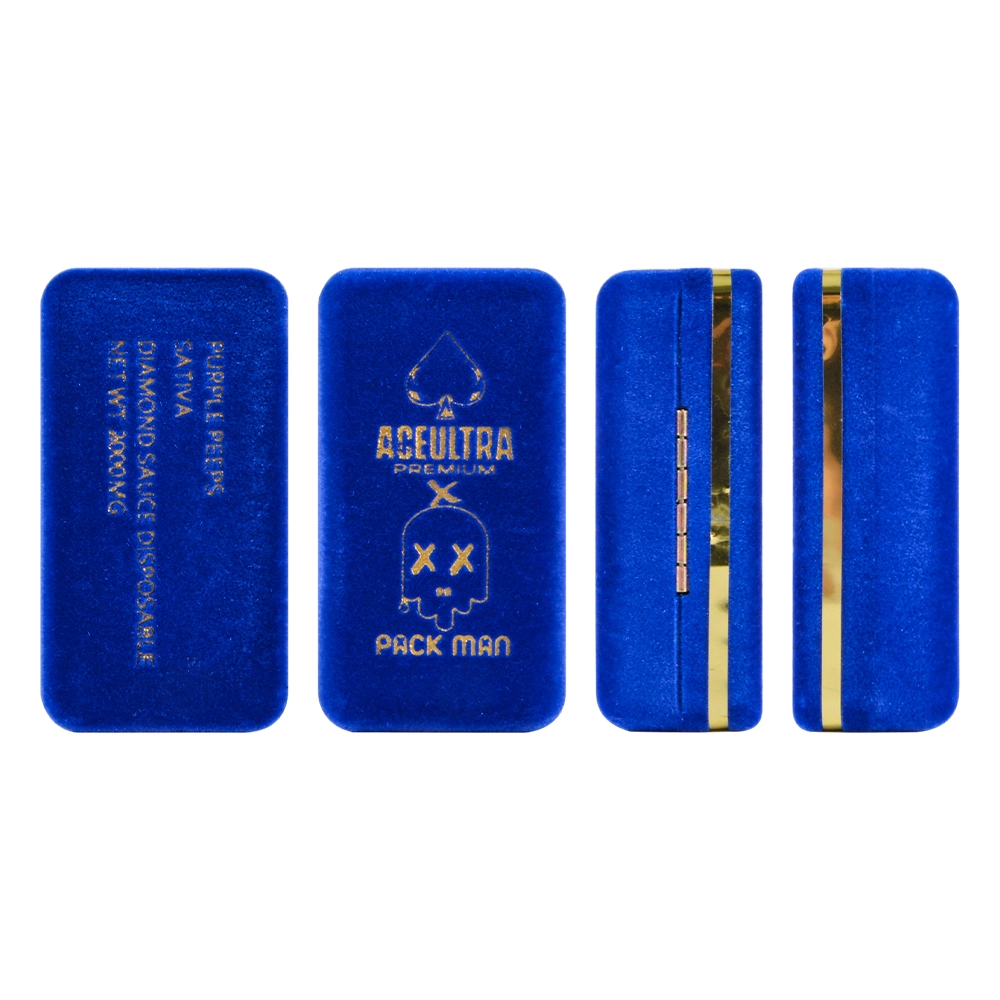
ACE Packman V2 Explained: What Brands Should Know Before Scaling
As multi-chamber and upgraded disposable formats continue to gain traction, many brands are reassessing whether ACE Packman V2 fits their long-term product roadmap. This guide breaks down what actually matters—from structure and version changes to wholesale readiness—so brand teams can make informed decisions before scaling.
What Is ACE Packman V2?
Positioning Within the ACE Packman Line
ACE Packman V2 represents an iteration focused on improved internal layout and consistency rather than a cosmetic redesign. It is commonly evaluated by brands that already understand the Packman ecosystem and are looking for a more stable version for repeat production.
Why V2 Exists at All
Earlier generations emphasized rapid market entry. V2 shifts attention toward refinement—addressing feedback related to internal balance, user interaction, and post-fill consistency.
Key Differences Brands Notice in V2
Internal Structure and Consistency
While the external form factor remains familiar, V2 focuses on internal optimization, reducing variability between units and improving predictability during bulk filling and QC.
User-Facing Experience Improvements
From a consumer perspective, V2 emphasizes smoother transitions and clearer feedback, which helps reduce confusion and support inquiries once the product reaches retail.
Single SKU vs Versioned Strategy
When One Version Makes Sense
Brands with a tight SKU strategy often use a single upgraded version like V2 to simplify training, forecasting, and retailer communication.
When Versioning Adds Value
Some brands keep earlier versions for entry-level pricing while positioning V2 as a premium or “refined” option, especially when storytelling and differentiation matter.
Wholesale and Scale Considerations
Evaluating Bulk Readiness
Before committing to volume, brand teams typically assess whether the platform supports stable repeat orders, predictable lead times, and clear version identification—key requirements for any ace packman disposable rollout.
Why Many Buyers Start With V2 for Bulk Programs
In wholesale discussions, V2 is often favored because it reduces uncertainty during scaling and aligns better with long-term inventory planning under ace ultra x packman wholesale programs.
Use Cases by Brand Type
Emerging Brands
Newer brands often choose V2 as a foundation SKU, minimizing iteration cycles and focusing resources on branding and distribution instead of hardware troubleshooting.
Established Operators
For mature brands, V2 functions as a refinement layer—either replacing older versions or supporting segmented product lines where reliability matters more than novelty.
Common Questions From Buyers
Is V2 required to stay competitive?
Not always, but in categories where consistency and repeat orders matter, many buyers view ACE packman V2 as a safer long-term choice.
Does V2 simplify operations?
Compared to earlier iterations, V2 generally reduces training overhead and QC complexity, which becomes more noticeable as order volume increases.
Final Takeaway for Brand Teams
ACE Packman V2 is not about chasing trends—it’s about reducing friction at scale. Brands evaluating long-term wholesale programs tend to prioritize versions that support repeatability, clear positioning, and smoother operations. For teams planning beyond a single launch, V2 is often assessed as part of that stability strategy.


0 Comments