
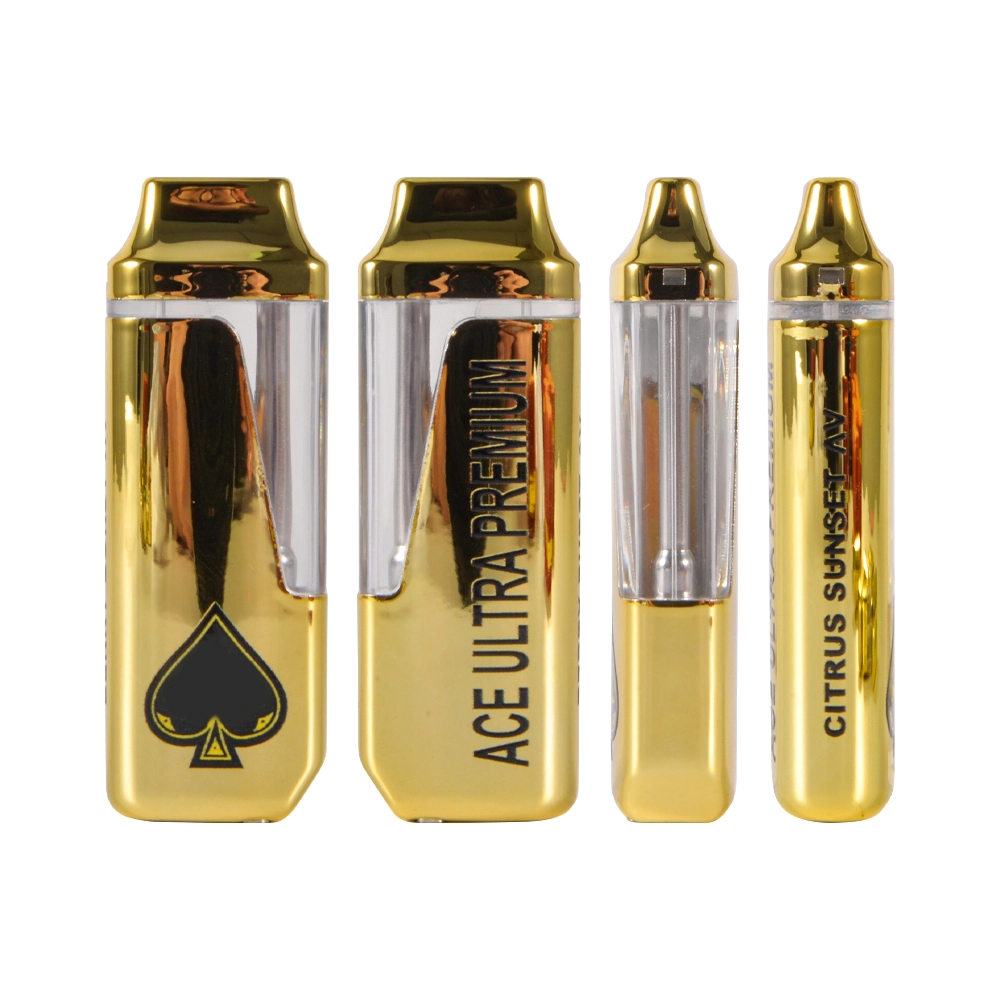
2g ACES Wholesale vs 1g: TCO, Lead Time, and Shelf Efficiency
Author: A.J. Harroway · Updated:
Total Cost of Ownership (TCO): more than unit price
Unit cost vs. scrap and rework
Comparing 1g and 2g on price alone hides realities like cosmetic rejects, rework time, and after-sales replacements. A slightly higher 2g unit price can still win if it reduces returns or consolidates SKUs.
RMA probability and documentation
Ask suppliers for bench data (pressure-drop, output curves, heat-soak/altitude leak tests) and transport documentation for integrated cells. Lower-variance hardware cuts RMA cost and support hours.
Logistics and handling
2g formats reduce replenishment frequency per facing, but increase per-unit value at risk. Align tray counts, carton strength, and handling SOPs to protect margin.
Lead time & forecast: how capacity changes your PO cadence
MOQ tiers and buffers
2g often ships in higher MOQs or with longer coating/assembly cycles. Build a forecast buffer and lock a sample-to-PO timeline to prevent launch gaps.
Supplier flexibility
Confirm parallel lines, tooling availability, and peak-season constraints. If the program needs quick turn on hero SKUs, hold a rolling PO for critical lots.
When 1g wins on timing
For promo bundles, new doors, or fast pilots, 1g can be faster to qualify and stage, especially if you keep colorways simple.
Shelf & merch efficiency: facings, velocity, and training
Facings per flavor
2g reduces restocks and improves perceived value, useful for high-traffic stores. 1g adds flexibility for price ladders and trial-size strategies.
SKU complexity and signage
Too many capacities can confuse staff and customers. Streamline packaging language and train on indicator behaviors and charge cues.
Demo and sampling
Use 1g for demos or seasonal trials; migrate winners to 2g to maximize sell-through on stable menus.
Risk controls & QA: what to require before PO
Drawings and tolerance tables
Request assembly drawings with o-ring durometers, cap compression, post concentricity, and port reinforcement. Consistent fit drives leak resistance and cosmetics.
Bench methods that matter
Standardize pressure-drop vs. flow, output curves across lots, and heat-soak/altitude leak testing. Define pass/fail bands that reflect your target oil viscosity and usage profile.
Transport documentation (integrated cells)
Keep a current test summary for lithium transport and align charge-profile protections. It speeds carrier acceptance and reduces variance in field performance.
When to choose 2g vs 1g
| Scenario | Best pick | Why it wins |
|---|---|---|
| Core menu, high velocity, fewer restocks | 2g | Fewer replenishments per facing; stronger value perception |
| Pilots, promos, price laddering | 1g | Faster qualification; flexible bundles and entry price points |
| RMA sensitivity, lean support team | Either, with stricter QA | Bench data + tolerance control reduces after-sales load |
Explore related categories (EMPTY hardware only)
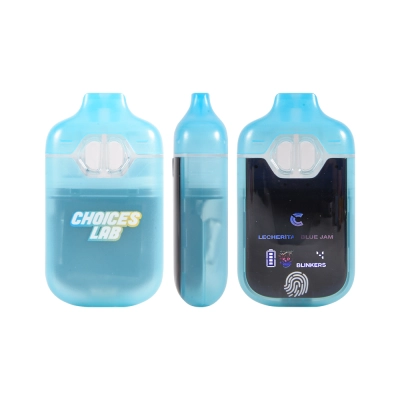
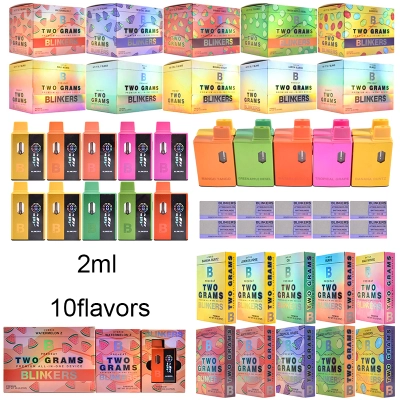
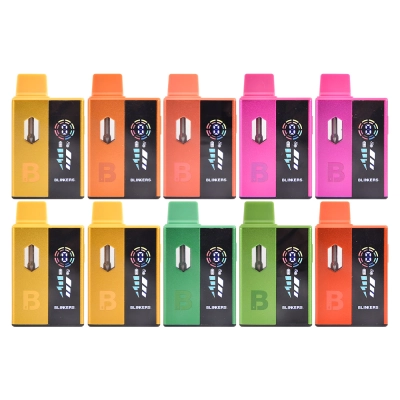
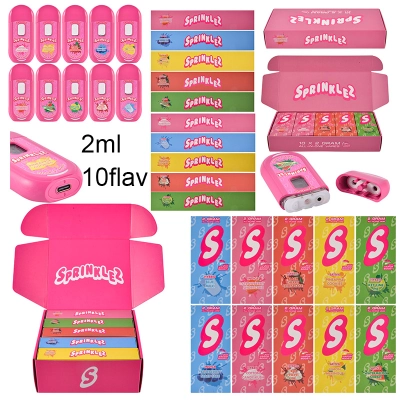
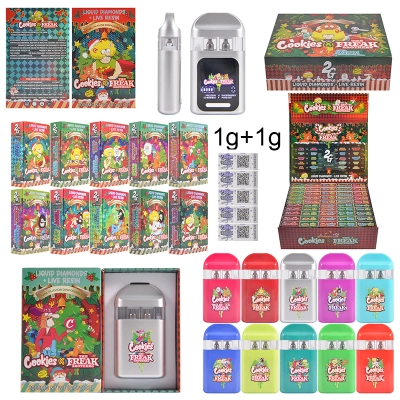
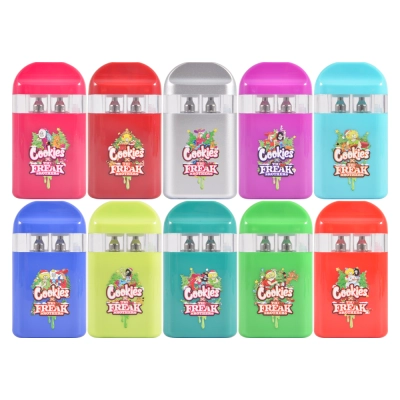
Start with 2g category navigation here: 2g aces wholesale. For premium finishing and color-matched runs, review empty ace ultra premium. For quotes and staged rollouts, see ace ultra premium wholesale. Adults 21+; licensed B2B; legal jurisdictions.
Buyer checklist (quick run-through)
- Specs: capacity & headspace; ceramic grade & porosity vs viscosity; window geometry; USB-C protections.
- Docs: drawings/tolerances; bench data (pressure-drop, output curves, leak tests); transport test summary for integrated cells.
- Supply: MOQ tiers; lead time; warranty; lot traceability; after-sales SLA and root-cause timelines.
- Merch: facing plan; signage; demo strategy; staff training on indicators and care.



0 Comments