
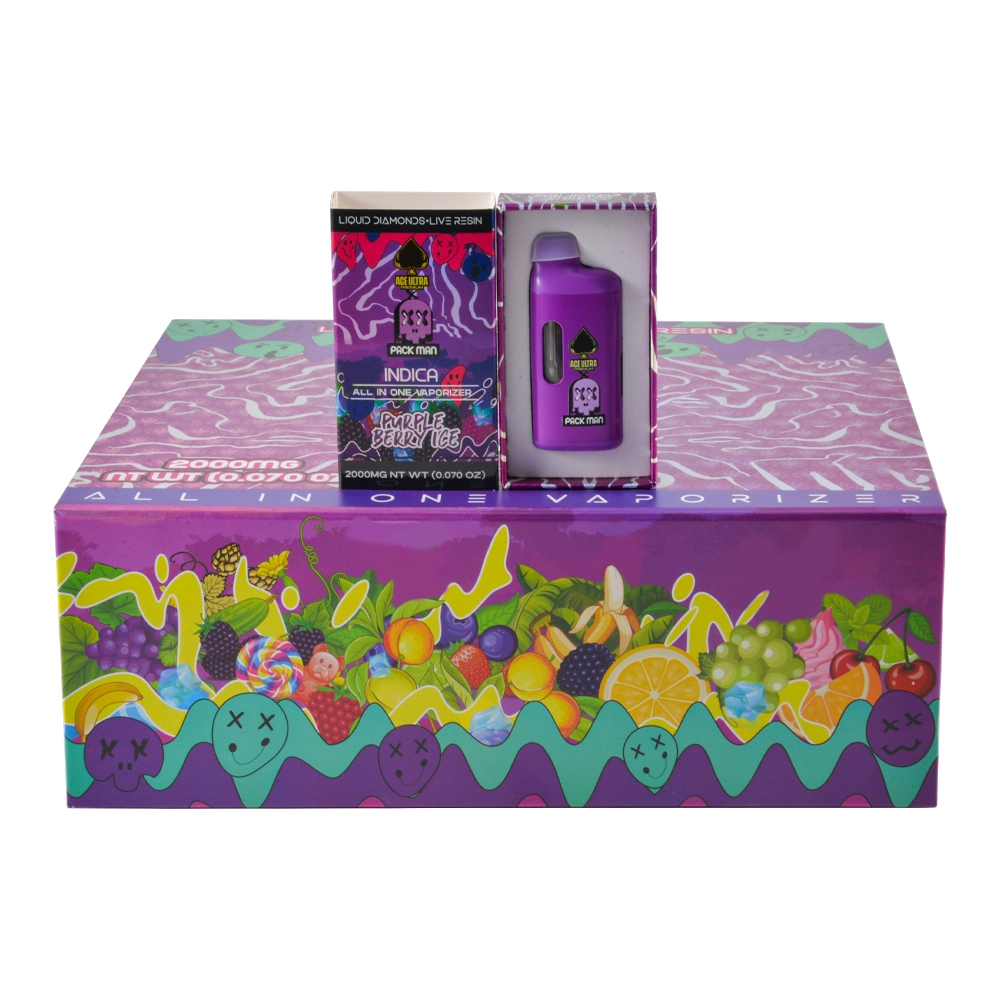
ACE Ultra Premium × Packman: Teardown of Design, Switching Logic, and Performance
Author: VapeBarLife Editorial | Reviewed by: Compliance Editor | Updated:
Why this teardown matters (for B2B empty-hardware buyers)
“ACE Ultra Premium × Packman”–style devices popularize an all-in-one chassis with ceramic atomization and, in some variants, screens/puff counters. For B2B procurement, the details that decide leak-rate, return-rate, and end-user satisfaction live in materials, tolerances, and firmware state machines—not in marketing copy. Below we decode the chassis, logic, and the test methods you can ask suppliers to replicate before a production award.
Design & Materials Teardown
Chassis, airflow, and leak resistance
Empty AIO housings typically integrate a sealed tank, mouthpiece lock, and dual-seal architecture around the chimney.
Ceramic coil & wick interface
Ask for ceramic grade and pore size distribution data versus your formulation viscosity window. Thicker matrices resist flooding but starve thinner distillates at low temps; request supplier curves for ΔP vs. flow across 20–35°C.
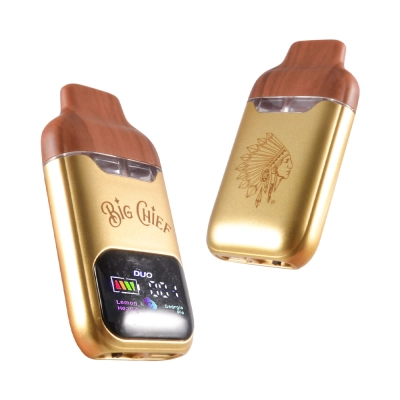
Display vs. clean faceplate
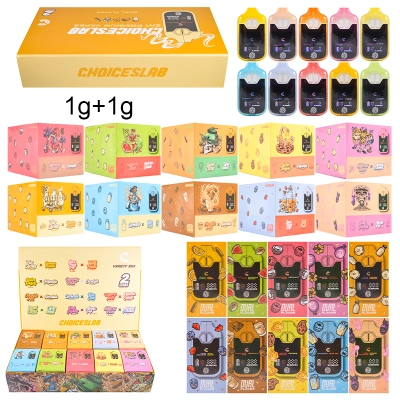
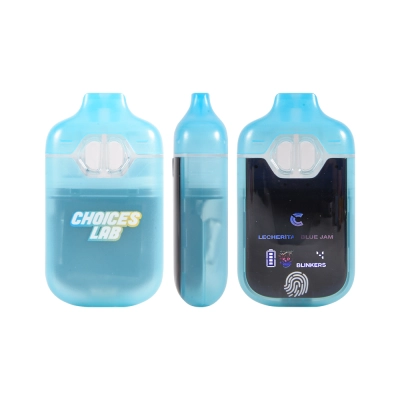
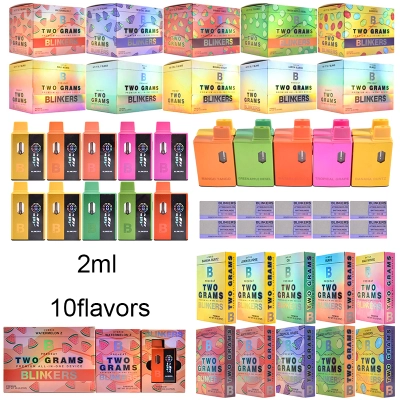
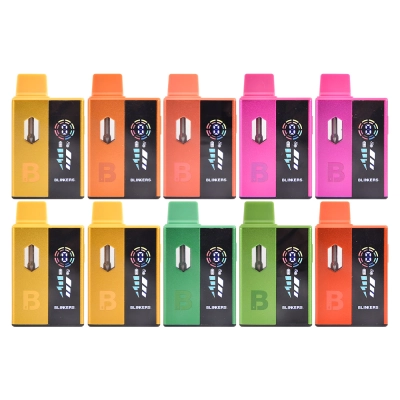
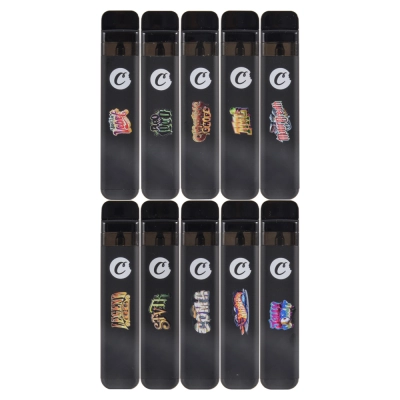
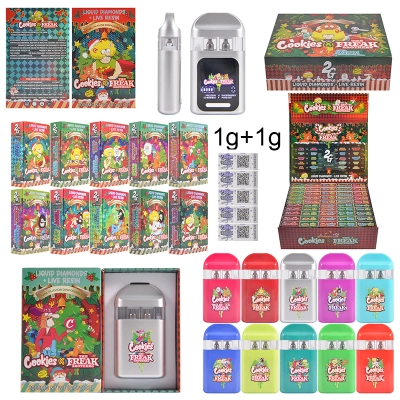
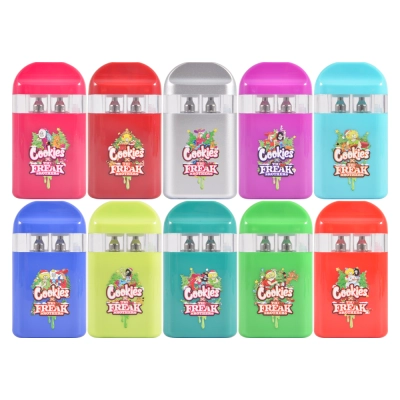
Adding a display improves charge/hit predictability but raises BOM and ingress risk. Non-display units keep a simpler stack, often improving moisture resistance. For a reference AIO shell, start with ace ultra premium x packman (link to your relevant internal category).
Switching Logic (Modes & State Machine)
Trigger & debounce
Most AIOs are draw-activated with time-based cutoffs (e.g., 8–10 s). Robust logic debounces pressure spikes and rejects noise during pocket carry.
Bench Tests & Performance Methods
Test conditions
Specify sample size, temperature/humidity, and cycle counts. For empty-hardware acceptance, use a surrogate fluid of matched viscosity to evaluate cap seal, wicking, and pressure-drop without cannabis content.
Metrics to capture
- Output curve under constant draw (voltage/current vs. time)
- Pressure drop (Pa) vs. flow rate (L/min)
- Leak/weep after heat-soak and altitude simulations
- Charge time to cutoff; recharge retention after 30/60 days
If you plan category-scale sourcing, align the test plan with incoming QC and warranty triggers to prevent disputes.
Sourcing at volume? See our category overview for empty AIO housings: ace packman disposable wholesale.
Battery & Transport Safety (UN 38.3 / IEC 62133-2)
Integrated-cell hardware should ship with a UN 38.3 test summary for the exact cell/pack model. U.S. PHMSA requires manufacturers to make test summaries available; logistics partners rely on them to confirm cells passed the UN Manual of Tests and Criteria §38.3 design tests. Keep the TS on file for audits and carriers. :contentReference[oaicite:0]{index=0}
IEC 62133-2 provides safety requirements for portable, sealed secondary lithium systems (electrical, mechanical, and abuse conditions). While the full text is paywalled, aligning designs and supplier QA with its protections (over-charge, short-circuit, thermal) reduces field risk and RMA rates. :contentReference[oaicite:1]{index=1}
Packaging, Warnings & IICPS
Finished consumer products (not empty shells) in some states use the International Intoxicating Cannabinoid Product Symbol (IICPS), standardized as ASTM D8441, to mark intoxicating cannabinoid content. Check your state’s adoption and exact size/color specs before print. As a hardware vendor, we supply dielines and CR options, but finished-goods labels remain the licensee’s responsibility.
Additives policy & what EVALI taught the industry
Public-health investigations linked vitamin E acetate to the 2019 EVALI outbreak


0 Comments