
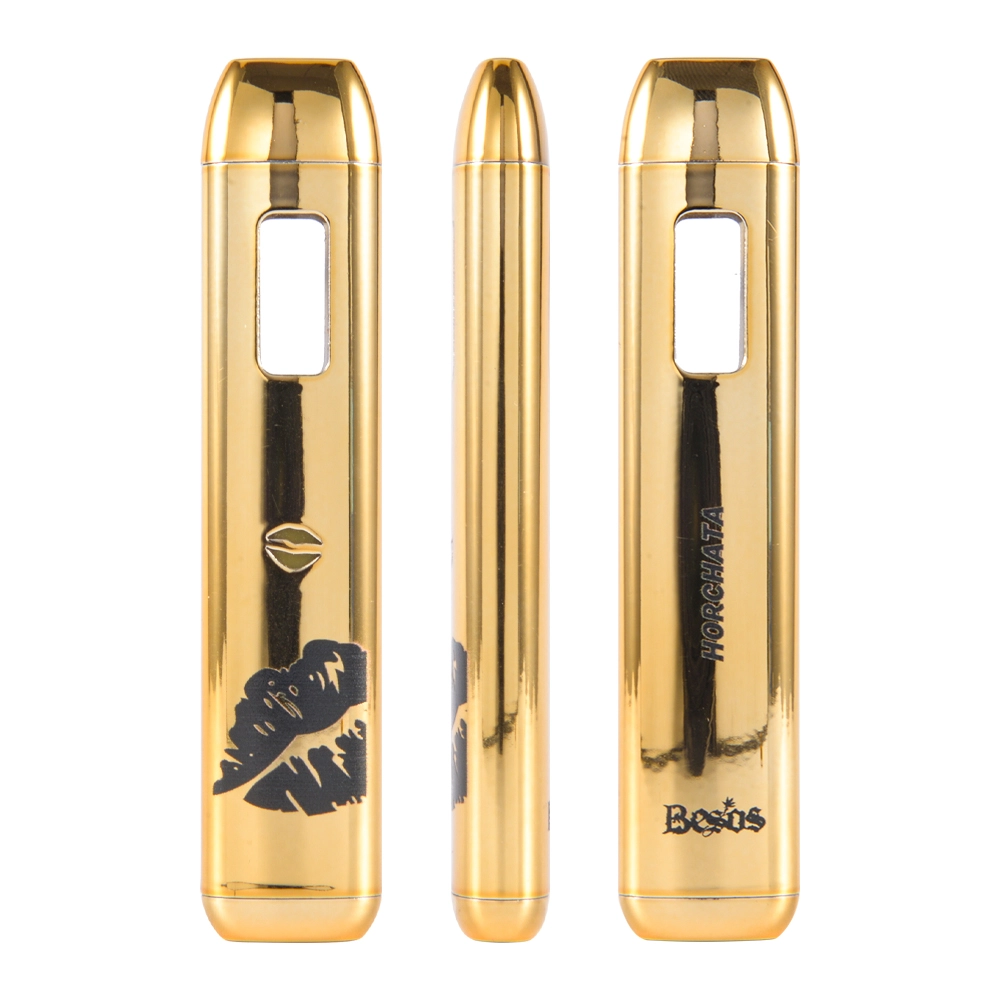
Besos Gold Edition Finishes: Branding Options, Durability Tests, and Yield Management
Author: VapeBarLife Editorial · Updated:
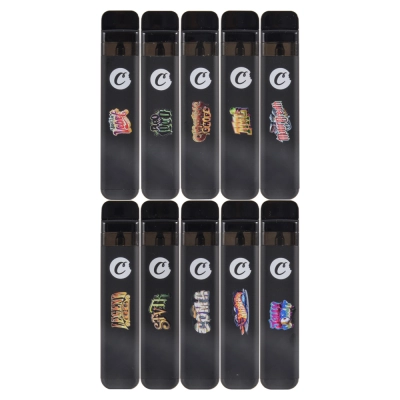
Branding options for “Gold Edition” looks
Coating families
Common options include metallic paints, electroplated or PVD coatings, and hot-stamp foils on designated panels. Each path balances gloss, color depth, adhesion, and cost.
Color control & tolerance
Lock target color (e.g., Munsell/CIELAB) and define ΔE tolerances on retain samples. Specify matte/gloss windows and allowable orange peel or grain.
Need a wholesale overview first? Start with our category hub → besos vape wholesale. EMPTY hardware only (no oil). Adults 21+; licensed B2B; legal jurisdictions.
Durability tests buyers should require
Taber abrasion (ASTM D4060)
Use a Taber Abraser with defined wheels/load/cycles to compare coating wear on rigid panels; it is the standard method for abrasion resistance of organic coatings. :contentReference[oaicite:2]{index=2}
Tape adhesion (ASTM D3359)
Assess adhesion via Method A (X-cut, ≥5 mil) or Method B (cross-cut, <5 mil) and rate the lattice for coating removal; it evaluates if adhesion is adequate for use. :contentReference[oaicite:3]{index=3}
Salt-spray practice (ASTM B117)
B117 standardizes the apparatus and conditions for salt fog exposure; it’s used comparatively to monitor process stability, not to predict real-world life directly. :contentReference[oaicite:4]{index=4}
Optional perspiration fastness (ISO 105-E04)
For hand-contact areas, check resistance to artificial sweat (acid/alkaline) per ISO 105-E04 to limit staining/discoloration during retail handling. :contentReference[oaicite:5]{index=5}
Process controls that protect yield
- Surface prep & cure windows: Specify substrate cleanliness, primer compatibility, and cure temp/time ranges (document with lot travelers).
- Masking & edge wraps: Define foil wrap/edge radii to reduce lift and chip at high-touch zones.
- Lot traceability: Link each batch to coating lot, line, and oven profile to accelerate root cause analysis.
- Rework criteria: Cosmetic vs. functional defects; allowable polish/recoat rules and scrappage triggers.
Incoming QC & AQL (what to write in your PO)
| Dimension | Ask for | Why it matters |
|---|---|---|
| Drawings & tolerances | Assembly drawings; o-ring durometers; cap compression | Fit & leak resistance; consistent cosmetics |
| Taber abrasion | Wheel type, load, cycles; mg loss or Δthickness | Comparable wear data across lots :contentReference[oaicite:6]{index=6} |
| Adhesion | D3359 Method A or B; rating target | Confirms coating bond to substrate :contentReference[oaicite:7]{index=7} |
| Corrosion check | B117 exposure hours, visual grading | Process stability signal (not life prediction) :contentReference[oaicite:8]{index=8} |
| Perspiration | ISO 105-E04 pass/fail on hand-contact panels | Retail handling stain control :contentReference[oaicite:9]{index=9} |
Cost stack & warranty triggers
Where costs live
Gold-look finishes add material, masking, and cure time. Yield loss (scrap/rework) often outweighs per-unit coating cost — align defect taxonomy and thresholds up front.
Define cosmetic vs. functional
Agree on allowable speckle, micro-scratch, and edge wear; separate pure cosmetic claims from true adhesion/corrosion failures to protect both parties.
Planning campaigns with single-flavor AIOs? See besos disposable wholesale for empty housing options and sampling windows.
Choosing the right Besos-style variant
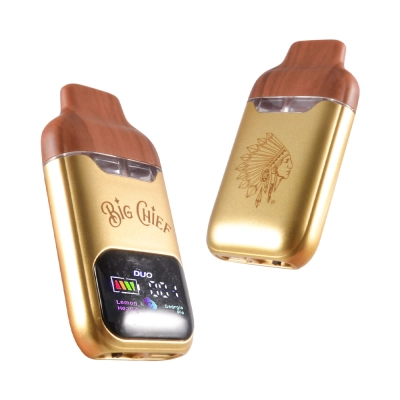
Use “Gold Edition” on hero SKUs or collabs; keep a standard finish for high-velocity SKUs to stabilize yield. For curated styles and color-matched batches, start here → besos gold edition.
FAQ
Is a longer B117 exposure always better?
No. B117 is a standardized practice for salt fog apparatus/conditions. Use it for comparative control, not to estimate real-world life. :contentReference[oaicite:10]{index=10}
Which adhesion method should I choose?
Use D3359 Method A (X-cut) for thicker films, Method B (cross-cut) for thinner films; set pass ratings in your PO. :contentReference[oaicite:11]{index=11}
Why add perspiration testing?
For hand-contact zones, ISO 105-E04 helps screen discoloration or staining from artificial sweat during retail/demo use. :contentReference[oaicite:12]{index=12}
Sources & Update Log
- ASTM D4060 — Taber abrasion of organic coatings. :contentReference[oaicite:13]{index=13}
- ASTM D3359 — Adhesion by tape test (Methods A & B). :contentReference[oaicite:14]{index=14}
- ASTM B117 — Salt spray (fog) practice; apparatus & conditions. :contentReference[oaicite:15]{index=15}
- ISO 105-E04 — Colour fastness to perspiration. :contentReference[oaicite:16]{index=16}
- Background on B117’s comparative use. :contentReference[oaicite:17]{index=17}
Last updated: Oct 24, 2025.


0 Comments