

Dual-Chamber Disposable Hardware with Screens: What Wholesale Buyers Should Know
Author: Jack McDarin
Disposable hardware is continuing to evolve beyond basic draw-activated devices. For wholesalers, distributors, and private-label brands, one of the most noticeable developments is the growing use of dual-chamber systems, digital screens, selectable operating modes, and more structured device interfaces.
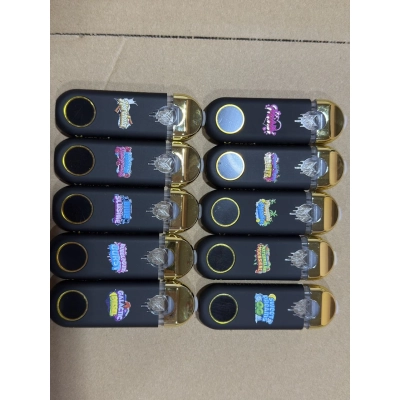
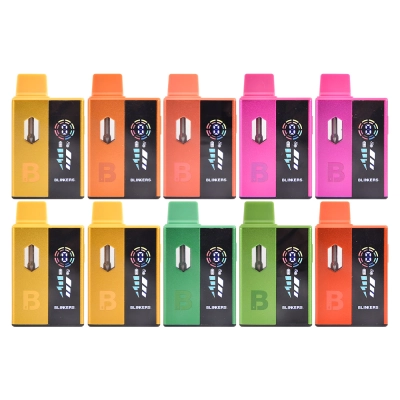
These features are not simply visual upgrades. They can change how a device is positioned, inspected, packaged, demonstrated, and supported after delivery. Buyers evaluating products such as the packman v7 2 gram dispo dual chambers with screen should therefore look beyond appearance and consider how the complete hardware system performs across a production batch.
This guide explains the basic structure of dual-chamber disposable hardware, the role of display screens, and the factors wholesale buyers should evaluate before adding this type of device to a product line.
What Is a Dual-Chamber Disposable Device?
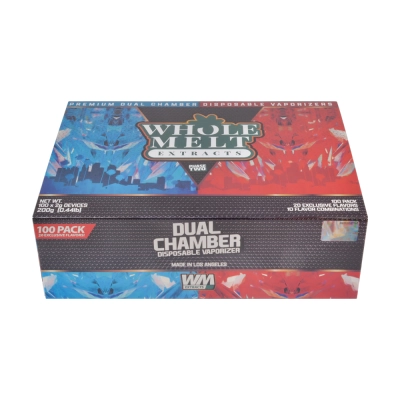
A dual-chamber disposable uses two separate internal chambers within one device body. Depending on the hardware design, the chambers may operate individually or through a selectable system that allows the user to switch between two sides.
The device may include a physical selector, an electronic control system, or another switching mechanism. From a wholesale perspective, this creates a different product category from a conventional single-chamber disposable.
A dual-chamber format may help brands create a more distinctive product experience while keeping both chambers inside one compact housing. It can also provide additional packaging and branding opportunities because each chamber or operating mode may be represented separately.
However, the additional components also create more areas that must be tested. Chamber separation, selector alignment, airflow consistency, coil performance, screen accuracy, and battery output all need to work together.
Why Screens Are Becoming More Common in Disposable Hardware
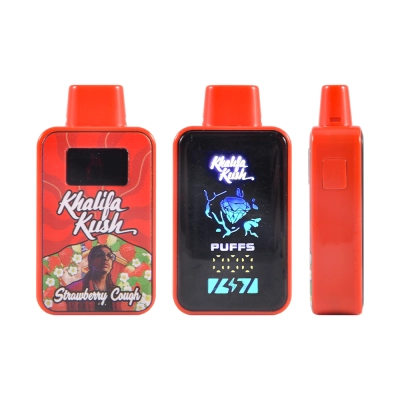
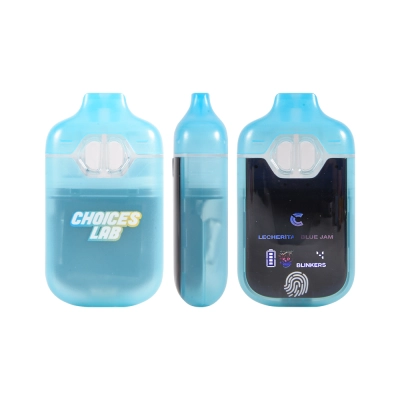
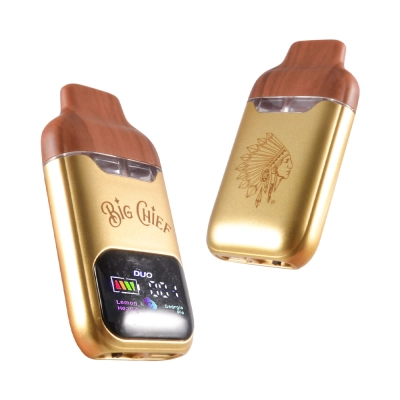
Digital screens have become increasingly visible in newer disposable designs. Depending on the model, a screen may display battery status, operating mode, chamber selection, or other device information.
For customers, the screen can make the device feel easier to understand. For retailers, it may reduce some basic questions about whether the unit is active, charging, or operating on the selected side.
For wholesale buyers, however, the presence of a screen introduces several additional quality-control requirements. The display should activate consistently, remain readable, respond correctly to the selector, and avoid excessive battery consumption.
A screen should therefore be evaluated as a functional component rather than as decoration. A visually impressive display has limited value if it creates inconsistent readings or increases the defect rate across a large shipment.
How a Chamber-Switching System Generally Works
A switching system is designed to direct device operation toward one chamber or the other. The exact mechanism varies according to the hardware structure.
Some devices use a physical slider or rotating selector. Others combine a selector with an electronic display that identifies the active chamber. When the position changes, the internal circuit should activate the intended heating component without unintentionally activating the other side.
A reliable design should provide clear physical or visual feedback. Buyers should be able to identify which chamber is selected without repeatedly testing the device.
The switching component should also feel stable. Loose selectors, unclear chamber positions, delayed screen responses, or inconsistent activation may create confusion at the retail level and generate unnecessary support requests.
Why This Hardware Format Attracts Wholesale Interest
The disposable hardware market is highly competitive, and many products use similar external shapes and activation methods. Dual-chamber structures and screens give brands more ways to differentiate their product presentation.
This format may be relevant to buyers looking for:
- A more recognizable product shape or interface
- Two selectable chambers within one housing
- A screen-based battery or mode indicator
- Additional space for logos and packaging design
- A product concept that is easier for retailers to demonstrate
These benefits explain why buyers researching disposable vape pen wholesale options increasingly compare device structures rather than focusing only on external appearance or nominal capacity.
The strongest wholesale product is not necessarily the model with the largest number of features. It is the model whose features operate consistently, can be explained clearly, and remain practical throughout production, shipping, storage, and retail handling.
Important Hardware Components to Evaluate
Before selecting a dual-chamber device, wholesale buyers should review how its major components work as a complete system.
The battery should provide stable output for both chambers and support the additional power requirements of the display. The internal circuit should correctly recognize the selected operating position. The charging port should remain aligned and secure, while the housing should protect the internal structure during transport.
Buyers should also examine:
- Chamber separation and internal sealing
- Selector stability and position accuracy
- Screen brightness and display consistency
- Draw-activation sensitivity
- Airflow balance between the two sides
- Coil installation and resistance consistency
- Charging performance and port alignment
- Housing strength and mouthpiece fit
A device may perform well as a single sample while still producing inconsistent results at scale. Batch-level inspection is therefore more important than evaluating only one showroom unit.
Screen Accuracy and User Interface Testing
When a device includes a display, the screen and control system should be tested under different operating conditions. The screen should activate when expected and display information that matches the actual device state.
For example, when the chamber selector changes position, the display should update correctly. If the device is connected to a charger, the screen should show a consistent charging response. When the battery reaches a low level, the indicator should not remain misleadingly high.
Wholesale buyers should request sample units from the intended production configuration. A screen used in an early prototype may not be identical to the display used in mass production, especially when component sourcing changes.
It is also useful to inspect the display in normal indoor lighting, brighter retail environments, and after repeated activation. This helps determine whether the screen remains readable and stable during regular handling.
Questions to Ask About the Dual-Chamber Structure
A dual-chamber design requires more detailed technical communication between the buyer and supplier. Before confirming an order, buyers should understand whether the chambers operate independently and how the selector interacts with the internal circuit.
Useful questions include:
- How does the device identify the selected chamber?
- Can both chambers activate at the same time?
- How is airflow separated inside the housing?
- What inspection is performed on the selector mechanism?
- Are both sides tested during production?
- Does the display show the active chamber accurately?
- Can the screen interface be customized?
- What happens if one chamber has a different resistance reading?
Clear answers to these questions can help buyers distinguish between a mature hardware platform and a design that has only been optimized for appearance.
Quality-Control Considerations for Bulk Orders
Bulk purchasing requires a different evaluation process from ordering a few samples. The objective is not only to confirm that the product can work, but also to determine whether it can work consistently across cartons and production lots.
A practical inspection plan may include checks for selector movement, screen response, battery output, charging behavior, airflow, coil resistance, housing fit, and packaging accuracy.
Buyers should also discuss acceptable quality limits, sampling methods, and responsibility for defective units before production begins. These details are easier to manage when they are documented in advance rather than negotiated after delivery.
For a product concept such as the packman switch disposable, inspection should cover both individual components and the interaction between the screen, selector, battery, and dual-chamber structure.
Customization Options for Brands and Distributors
Dual-chamber hardware can offer several customization possibilities, although the available options depend on order quantity, tooling, and production requirements.
Common customization areas may include:
- Device body colors and surface finishes
- Printed or laser-applied logos
- Screen graphics or interface elements
- Packaging structure and printed artwork
- Chamber identification marks
- Mouthpiece and selector colors
- Carton labels and batch information
Buyers should confirm which changes are cosmetic and which require technical modification. Changing a logo is normally simpler than changing the screen interface, battery specification, airflow structure, or selector mechanism.
Technical customization usually requires more testing, a longer development period, and a higher minimum order quantity. A clear specification sheet can help prevent misunderstandings between the buyer, hardware supplier, and packaging team.
Packaging and Retail Education
A product with two chambers and a selector may require clearer packaging instructions than a standard draw-activated device. The package should help the retailer and intended adult customer understand the basic hardware interface without relying on assumptions.
Useful packaging information may include the chamber positions, screen symbols, charging instructions, storage guidance, and basic troubleshooting steps.
Wholesalers should also consider whether the design can be explained quickly by sales staff. A product that is visually attractive but difficult to demonstrate may create friction at the retail counter.
Clear instructions can reduce avoidable questions and help retailers distinguish between normal device behavior and a genuine hardware issue.
How to Compare Samples from Different Suppliers
When comparing dual-chamber samples, buyers should use the same evaluation process for every supplier. Testing one model thoroughly and judging another only by appearance will not produce a useful comparison.
Create a simple scoring sheet that covers:
- Housing and assembly quality
- Selector accuracy
- Screen readability
- Activation consistency
- Airflow performance
- Charging behavior
- Customization capability
- Packaging support
- Production lead time
- Quality-control documentation
Samples should be tested repeatedly rather than activated only once. Buyers may also compare units from different sample batches to determine whether component performance remains consistent.
Common Warning Signs During Supplier Evaluation
Certain issues may indicate that a product is not ready for a large order. These include selectors that do not remain in position, screens that show different information across identical units, inconsistent charging indicators, loose internal components, and major performance differences between the two chambers.
Buyers should also be cautious when important technical questions receive only vague answers. A supplier should be able to explain the basic battery, screen, chamber, and inspection specifications of the hardware being offered.
Another warning sign is an unwillingness to confirm production details in writing. Product dimensions, battery capacity, materials, packaging quantities, logo methods, lead times, and inspection standards should be documented before an order moves into production.
What Wholesale Buyers Should Request Before Ordering
Before placing a bulk order, buyers should request enough information to evaluate both the product and the supplier’s production process.
A useful pre-order package may include:
- Current product specification sheet
- Physical samples from the intended configuration
- Available customization options
- Minimum order quantity information
- Estimated sample and production lead times
- Packaging dimensions and carton quantities
- Quality-control process information
- Defect handling and replacement terms
The objective is to establish a clear reference before production starts. When the specification, sample, packaging, and inspection expectations are aligned, buyers can evaluate the final shipment against an agreed standard.
Final Thoughts
Dual-chamber disposable hardware with screens represents a broader shift toward more interactive and visually differentiated device designs. For wholesalers and private-label brands, the format can create new positioning opportunities, but it also requires more careful technical evaluation than a simple single-chamber device.
The screen, selector, battery, airflow system, chambers, and housing should be treated as one connected platform. A weakness in any one of these areas can affect the overall product experience and increase support or replacement costs.
Wholesale buyers should focus on repeatable performance, clear specifications, practical customization, and documented quality control. Evaluating these factors early can help a business select hardware that is not only visually distinctive but also suitable for stable, long-term distribution.
This article discusses empty disposable hardware for wholesale, OEM, and product-development purposes. It does not offer filled products or substances.










0 Comments