
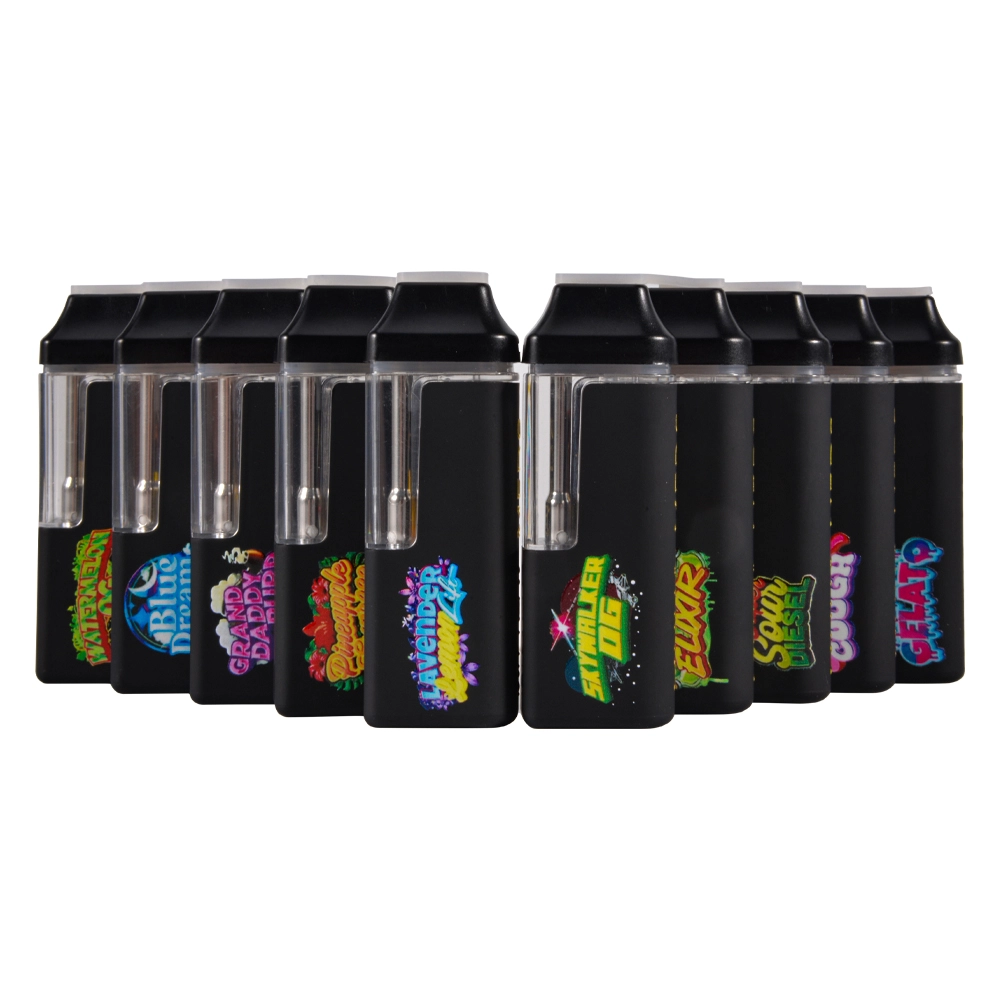
Empty vs. Finished: Labeling Duties for Muha Meds–Style Packaging
Author: Morgan Rosedale · Updated:
At a glance: who labels what
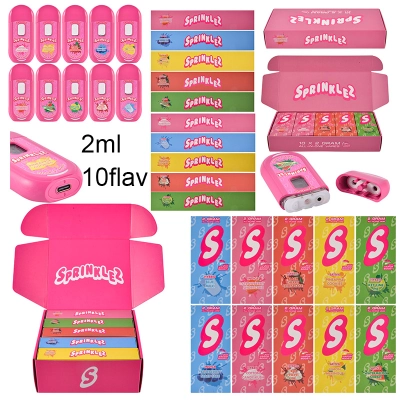
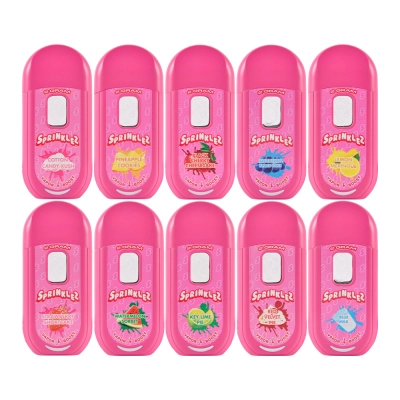
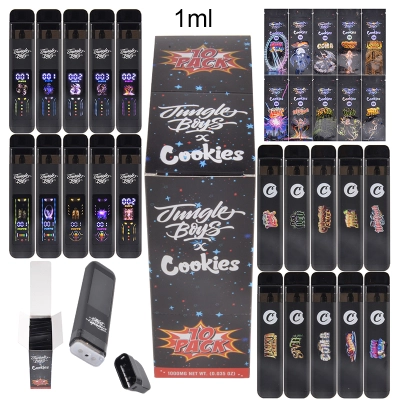
Empty hardware suppliers provide shells, dielines, and technical/transport documentation. Licensed finishers/brand owners who fill and sell to consumers are responsible for all consumer-facing packaging and labeling, including required warnings/symbols and state-specific statements. In the U.S., cannabis labeling rules are primarily set at the state level; as of June 26, 2025, medical use is legal in 40 states (plus DC/territories) and adult-use in 24 states, creating divergent packaging mandates that finished-goods owners must track.
IICPS symbol: when it applies (and when it doesn’t)
The International Intoxicating Cannabinoid Product Symbol (IICPS) defined by ASTM D8441/D8441M is a consensus standard intended for finished consumer products containing intoxicating cannabinoids. Several U.S. states have incorporated IICPS (or equivalent universal symbols) into their packaging laws; if you sell finished goods into those states, your consumer units should display the required symbol per local law. For empty shells sold to licensees, the symbol is not applied by the shell vendor; it belongs on the finished package prepared by the licensee.
Transport documents you still need for empty shells
Even without oil, integrated-cell devices fall under lithium battery transport rules. Keep the exact UN 38.3 test summary (TS) for the cell/pack model used; PHMSA’s 2024 update clarifies the standardized TS elements and availability requirement. For air moves, IATA’s 2025 guidance recommends shipping at ≤30% state of charge (SoC) and makes ≤30% mandatory from Jan 1, 2026 (with limited approval pathways above that). These documents and SoC practices are typically maintained by the hardware supplier and the shipper—not printed on consumer labels.
Labeling duties by party
Empty hardware vendor (you’re buying from us)
- Dielines and mechanical drawings for your label house.
- Battery documentation: UN 38.3 TS; charging/protection notes for IFUs. :contentReference[oaicite:3]{index=3}
- Optional safety practices alignment (e.g., IEC 62133-2) for QA programs. :contentReference[oaicite:4]{index=4}
Finished-goods licensee (you or your downstream brand)
- Apply state-required universal symbols (e.g., IICPS where adopted). :contentReference[oaicite:5]{index=5}
- All warnings, THC content disclosures, batch/lot, age restrictions, and retailer-specific statements per jurisdiction. :contentReference[oaicite:6]{index=6}
- Consumer-facing insert/IFU where required (e.g., safe use/charging basics, disposal pointers).
Planning SKUs or quotes? Start with category overviews: muha meds wholesale • muha meds bulk • muha meds disposable bulk. EMPTY hardware only (no oil). Adults 21+; licensed B2B; legal jurisdictions.
Buyer checklist (empty vs. finished)
For your PO/QA file (empty shells)
- UN 38.3 TS (exact cell/pack), sample photos, and charge/timeout behaviors.
- Assembly drawing, tolerances, and material callouts for your label fits.
- Evidence of QA practices aligned to portable lithium safety (e.g., IEC 62133-2 context).
For finished packaging (licensee responsibilities)
- State-compliant symbol/warning set (IICPS where required) and age gating.
- Batch/lot traceability, net contents, and any potency disclosures mandated locally.
- Retail barcode/serialization and diversion-control elements where applicable.
FAQ
Can the shell vendor pre-print universal cannabis symbols?
Not typically. Because symbols and warnings vary by state and change over time, finished-goods label sets are applied by the licensee or their packaging partner to avoid non-compliance.
Do I need UN 38.3 paperwork if I’m only shipping empty devices?
Yes, if the device contains a lithium cell/pack. Keep the exact model’s test summary on file; carriers and auditors may request it.
Does the ≤30% SoC rule belong on the consumer label?
No. It’s a transport condition, not a consumer marking; implement operationally in your logistics SOPs.
Sources & Update Log
- PHMSA — Lithium Battery Test Summaries (TS), revised July 2024.
- PHMSA — TS requirement overview (effective Jan 2022; updated 2024).
- IATA — 2025 Lithium Battery Guidance (≤30% SoC; mandatory Jan 1, 2026).
- ASTM — IICPS standard (ASTM D8441/D8441M) background.
- NCSL — State medical/adult-use legalization status (as of Jun 26, 2025).
- UL/Intertek — Context on IEC 62133-2 portable lithium safety practices.
Last updated: Nov 5, 2025.


0 Comments