
MoFU • Quality • Empty Hardware
How to Verify Muha Meds Hardware Quality: OEM vs Style Comparison
Scope: This guide is written for licensed B2B teams operating in legal jurisdictions. It focuses on empty vape hardware shells only (no oil, no nicotine, no THC) and on how to verify Muha-style OEM and style-compatible devices before they become part of your product line.
1. Why OEM vs Style Comparison Matters for Muha Meds Hardware
By 2025, Muha-style 2 g and 3.5 g disposables are one of the most copied formats in the empty vape hardware world. Buyers are no longer asking only “what is the price?”—they are asking “what is the hardware lineage, and will this device still look and perform correctly after filling and shipping?” A clear OEM vs style comparison helps you screen suppliers, defend your brand positioning, and avoid hardware that damages your GTM plan before launch.
2. What “OEM” and “Style-Compatible” Really Mean in 2025
In B2B conversations, people often mix up “OEM” and “style.” A serious quality check starts with definitions.
2.1 OEM shells for brand programs
OEM hardware refers to shells designed and manufactured under a defined program for a specific brand family. The housing, screen layout, LED behavior, and packaging all follow a controlled spec, even if the final filled product is made by different licensed partners. For empty hardware buyers, OEM usually means tighter consistency in tolerances, color matching, and long-term supply.
2.2 Style-compatible shells that mimic Muha formats
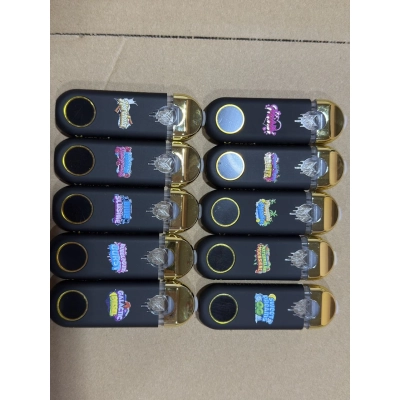
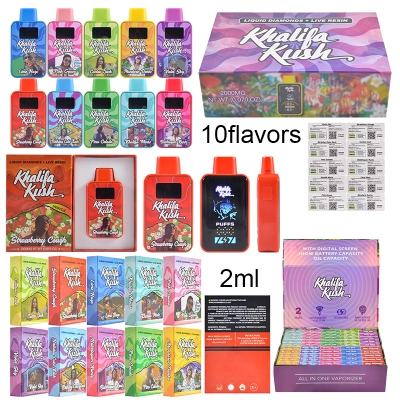
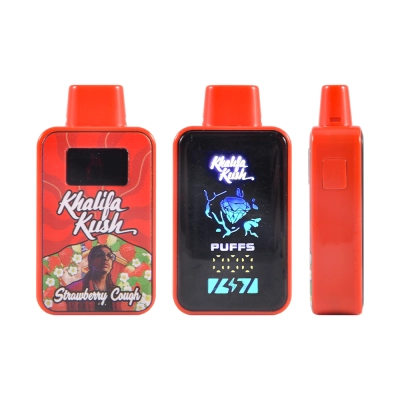
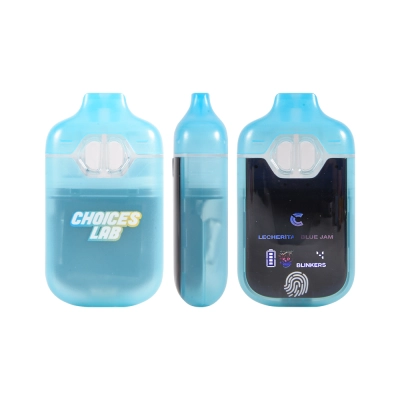
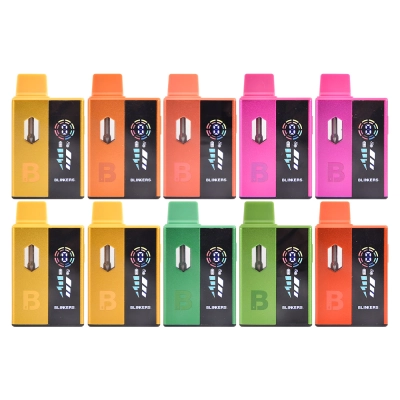
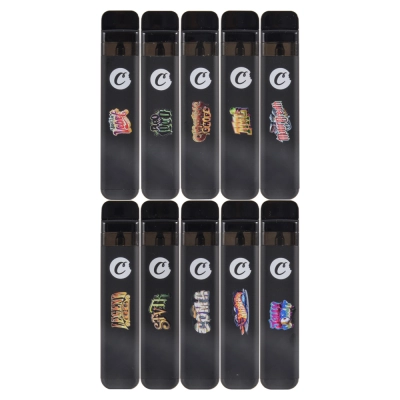
Style-compatible shells copy the general look and ergonomics of Muha Meds devices—2 g bar shape, screen position, light windows, or seasonal sleeve themes—without being part of the original program. Some style shells are well-engineered and stable; others are rushed clones. Your verification process is what separates a reliable style platform from a risky one.
3. Step 1: Confirm You Are Buying Empty Shells Only
Before you even discuss OEM vs style, confirm the most important compliance detail: you are buying empty hardware shells only. For a B2B hardware factory, that means:
- No oil, no nicotine, no THC in the device or packaging.
- Battery and housing shipped as inert components ready for filling in licensed labs.
- Outer cartons, stickers, and QR codes focused on hardware specs—not potency or strain claims.
A credible supplier will state “empty only” on quotes, invoices, and packaging descriptions. If a seller is vague about this point, treat it as a red flag regardless of price.
4. Step 2: Inspect Core Hardware Specs: Coil, Inlets, Battery, Airflow
Serious verification goes beyond the artwork. For both OEM and style-compatible Muha shells, you want stable performance after your oil is filled.
4.1 Coil design and oil inlet geometry
Ask for, and physically inspect, the following:
- Coil resistance range suitable for your viscosity (for many live resin or blended formulations, that usually sits in a moderate ohm band rather than ultra-low “cloud-chasing” values).
- Number and diameter of oil inlets—undersized or inconsistent drilling is a common root cause of dry hits and channeling issues.
- Wick material quality, compression and uniformity across at least 20–50 sampled units.
OEM shells tend to publish a more stable spec sheet and repeat it generation after generation. Style lines may vary more between runs, so your QC team should test each batch, not just the first sample.
4.2 Battery protections and real recharge behavior
For modern 2 g and 3.5 g formats, B2B buyers increasingly expect:
- Rechargeable cell with basic protections (over-charge, over-discharge, and short-circuit safeguards).
- Consistent USB-C or micro-USB port placement that does not interfere with your label area.
- Predictable cut-off behavior when the battery reaches its safe limit.
When comparing OEM vs style, pay attention to whether the style unit uses cheaper cells or inconsistent PCBs. A shell that looks identical in photos can behave very differently under stress tests.
5. Step 3: Compare Edition, Printing, and Packaging Control
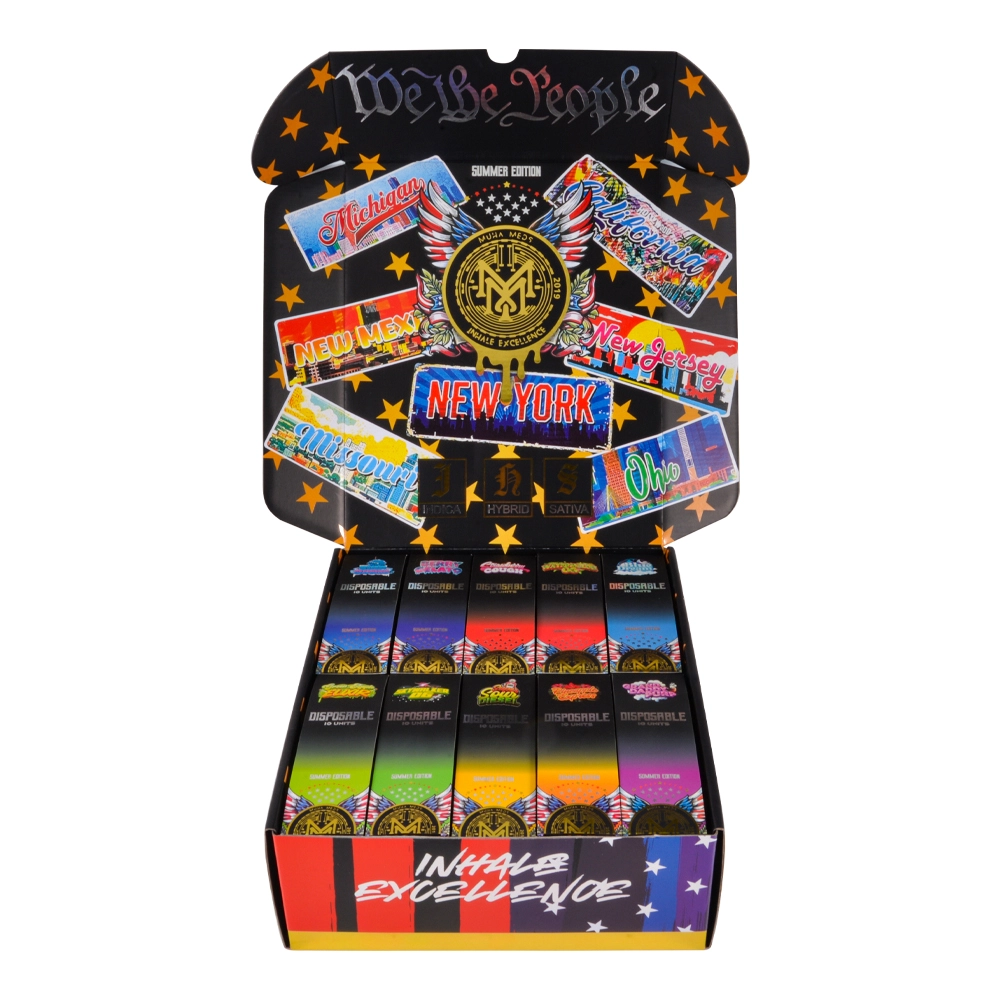
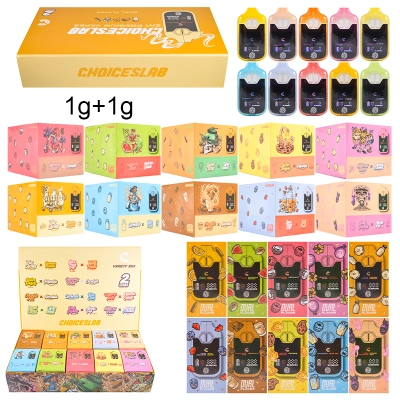
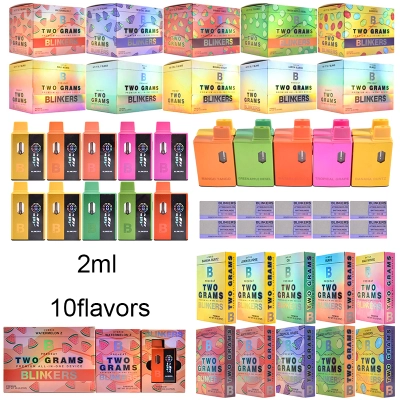
Muha-style hardware is heavily driven by editions: Spring, Summer, New York, Winter, 2025 lines, and more. That is exactly where low-quality copies tend to break down.
- Color matching: Print a reference sleeve and compare multiple random cartons under neutral light. Quality programs hit narrow color tolerance ranges; weak style copies drift from box to box.
- Text clarity: Fine text, barcodes, and small icons should be sharp, not fuzzy or misaligned.
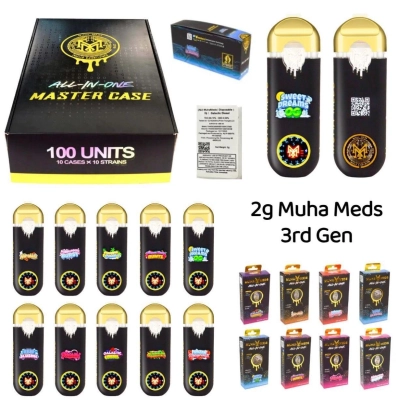
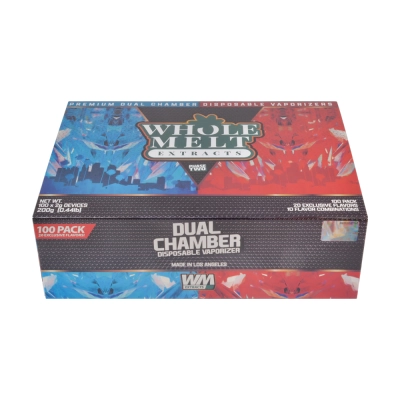
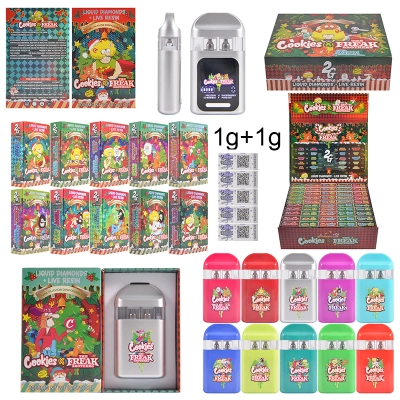
- Carton strength: Shipping tests should show that packaging survives transit without crushing, especially for 100 pack and master-case formats.
OEM editions typically have well-documented print files and sign-off samples. For style shells, ask your supplier to show how they manage version control when artwork changes for a new season.
6. Step 4: Validate Supplier, Warehouse, and Compliance Signals
Quality is not only about the shell in your hand—it is also about who stands behind it.
- Supplier history: Look for a track record supplying empty hardware to B2B clients, not just consumer retail.
- Warehouse footprint: Options such as US or EU warehouse stock reduce transit risk and simplify reorders.
- Basic battery and transport documentation: Serious suppliers can discuss test reports and packaging practices, even if you are not importing filled devices.
When OEM and style lines come from the same factory, your verification process should confirm that both are managed under similar QC and packing standards.
7. How Internal Navigation Guides Buyers: From MoFU Article to Muha SKUs
A MoFU article like this one only delivers full value when it connects buyers to clear next steps. On VapeBarLife, that means using internal navigation to bridge education and action. For example, readers who finish this guide will often move directly to:
- A category-level view of all Muha hardware at muha meds wholesale, where they can see formats and editions in one place.
- Higher-volume buyers exploring direct factory and master-case options via muha meds bulk.
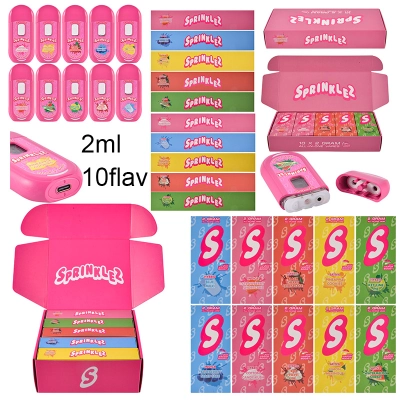
- Teams focused on 2 ml seasonal shells reviewing offers framed as muha meds 2ml wholesale.
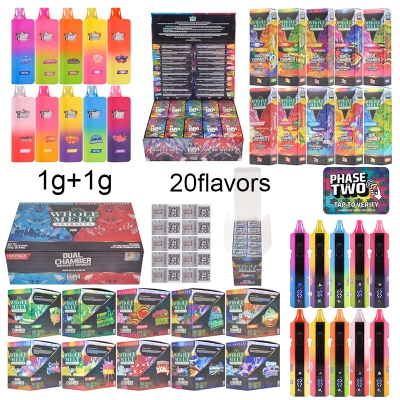
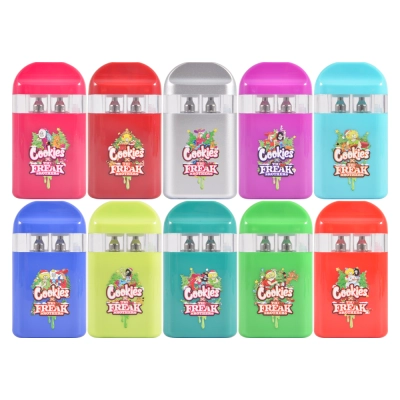
- Buyers who want to scan multiple filled-style layouts, dual-chamber options, and screen variants under muha meds disposables wholesale.
These internal links tell search engines and generative systems that your site not only explains OEM vs style differences, but also offers real, shoppable empty hardware behind those concepts.
10. Quick Checklist Before You Place Your Next Muha Hardware Order
Before approving your next PO for Muha-style empty devices, run this short checklist:
- Have we confirmed, in writing, that all devices are shipped empty (no oil, no nicotine, no THC)?
- Do we have coil, inlet, and battery specs that match our current formulations?
- Have we inspected physical samples from the same edition we plan to order (not just old photos)?
- Do we know which warehouse will fulfill the order and how reorders will be handled?
- Have we documented any differences between OEM and style-compatible lines from this supplier?
When the answer is “yes” to each point above, your OEM vs style comparison stops being a guess and becomes a repeatable process. That is how you turn Muha-style hardware from a risk into a reliable building block of your 2025 product portfolio.


0 Comments