
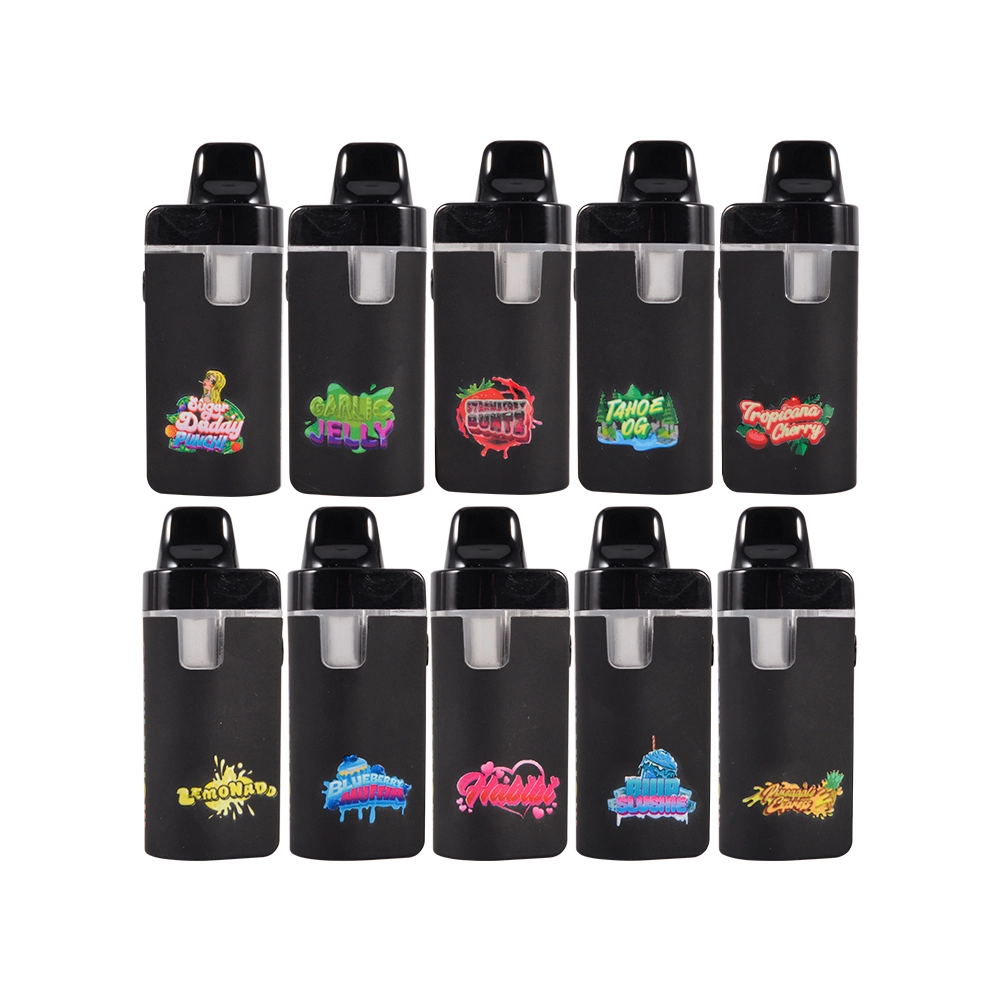
Muha Meds Quality Assessment: A Comprehensive Analysis of Safety, Effectiveness, and User Experiences
Author: Leon Jansen · Updated:
Safety signals to verify
Charging & handling expectations
Require safe-use language consistent with public guidance: charge on a hard, visible surface and avoid extreme temperatures; stop on heat/odor/smoke cues. These basics reduce preventable incidents during demos and QA cycles.
Flag any charger/cable mismatch and avoid damaged cords or multiplug adapters per consumer-safety advisories.
Battery documentation (if integrated cells)
For rechargeable AIOs, keep the exact cell/pack UN 38.3 test summary (TS) on file; PHMSA’s 2024 update standardizes the TS elements and availability.
Effectiveness proxies (performance, not medical claims)
Consistency metrics you can test
Use reproducible lab methods: pressure-drop vs flow, output curves across lots, and heat-soak/altitude leak tests. Define pass/fail bands tied to viscosity and intended use rather than subjective “smoothness.”
Indicator clarity & recharge behavior
Evaluate LED/screen states for charge, full, and fault. Clear signaling shortens support tickets and improves perceived reliability.
User experience patterns to watch
Onboarding & switch logic
Measure how quickly a first-time user identifies the active state, understands charging cues, and resolves a simple fault. Mixed feedback often traces back to unclear indicators or inconsistent switches.
Review hygiene
Segment reviews by batch/date and sales channel; look for repeated mentions of port looseness, cap compression, or early capacity drop as signals for supplier CAPA.
Compliance & documentation alignment
Map supplier QA to IEC 62133-2 safety practices for portable lithium systems (intended use and reasonably foreseeable misuse). This reduces field failures, even when you only buy empty housings.
Align logistics with IATA’s 2025 lithium battery guidance (flowcharts, SoC practices, and example test summaries) to speed carrier acceptance when shipping rechargeable variants.
If you own the finished-goods label, verify any required hazard/consumer symbols; some states are adopting the ASTM D8441 IICPS for intoxicating cannabinoid products.
Buyer checklist (EMPTY hardware only)
- Drawings & tolerances: o-ring durometers, cap compression, port reinforcement, window geometry.
- Bench: pressure-drop/output curves; heat-soak/altitude leak tests; indicator table with fault meanings.
- Docs: UN 38.3 test summary (if integrated cell); QA sheets; dielines for label owners; carton/tray specs.
- Supply: MOQ, cycle/lead time, warranty triggers, lot traceability, and after-sales SLA.
Related categories & seasonals
Channel requests through verified routes: Muha Meds wholesale • Explore single-flavor AIO formats: muha meds disposable • Plan capacity ladders: muha 2g disposable bulk • Prepare seasonal drops: muha meds summer wholesale. EMPTY hardware only (no oil). Adults 21+; licensed B2B; legal jurisdictions.
Sources & Update Log
- FDA — Tips to help avoid vape battery fires or explosions (charging basics).
- CPSC — Battery hazards & charger safety overview; USFA lithium-ion safety handout.
- PHMSA — Lithium Battery Test Summaries (TS), revised July 2024.
- IEC — IEC 62133-2:2017 scope for portable lithium systems.
- IATA — Lithium Battery Guidance Document 2025; program page.
- ASTM — IICPS background (ASTM D8441).
Last updated: Oct 31, 2025.


0 Comments