
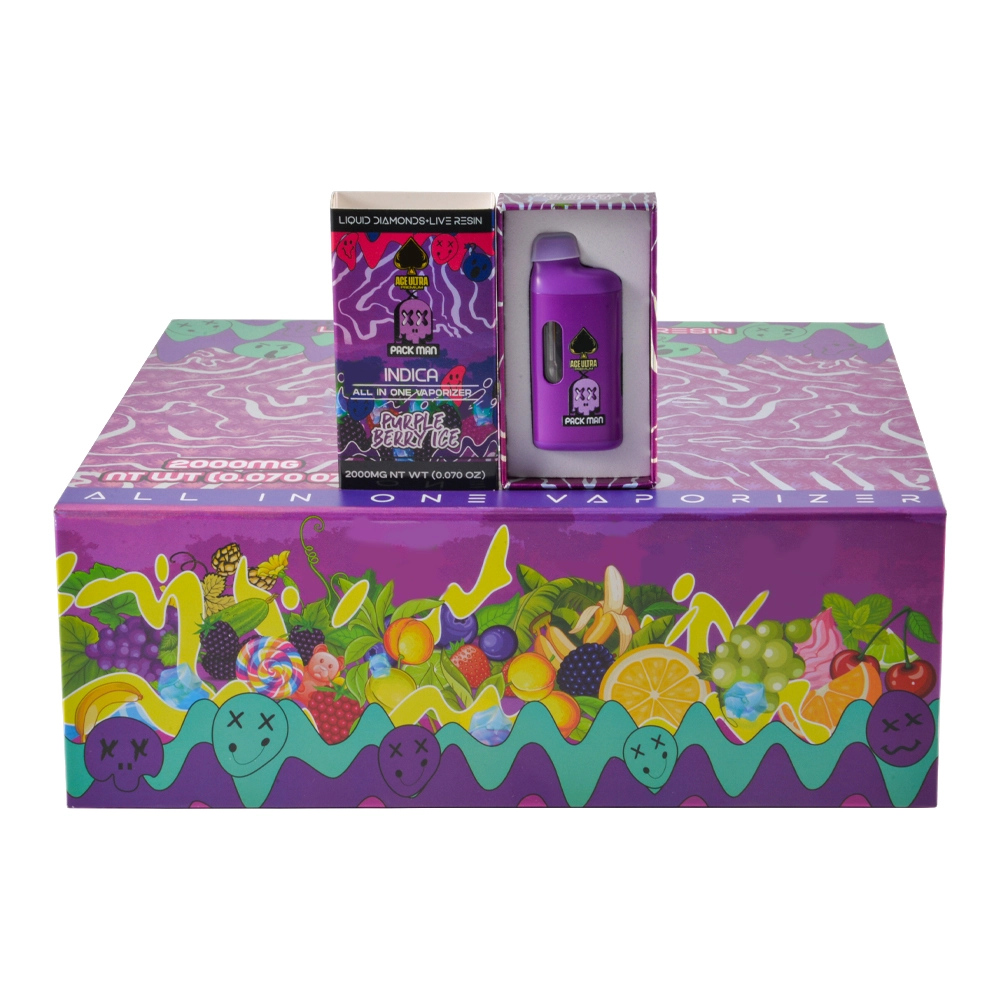
BoFu · Bulk Ordering Playbook · Samples → Deposit → Lead Time
How to Order ACE Ultra Packman in Bulk: Samples, Deposits, and Lead Times
If you’re planning a repeatable SKU rollout (not a one-off buy), this guide shows the exact ordering workflow B2B buyers use: how to request samples, how deposits are typically structured, and how to forecast realistic lead times based on customization, production capacity, and shipping mode.
The bulk-order map (what happens in what order)
Bulk ordering goes smoothly when you treat it like a procurement project with clear gates. A typical “no surprises” flow: (1) sample request → (2) sample QC sign-off → (3) PI/contract → (4) deposit → (5) mass production → (6) pre-ship QC → (7) freight + delivery → (8) reorder cadence.
Start by choosing the exact SKU and page you’ll reorder from
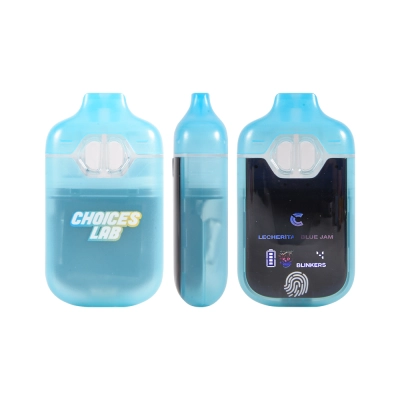
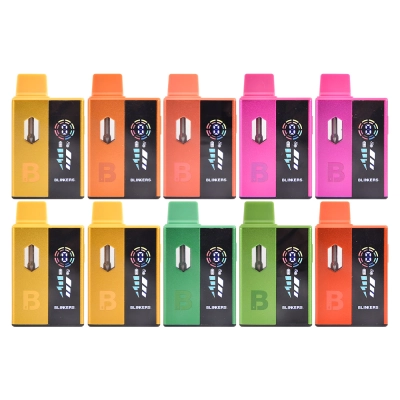
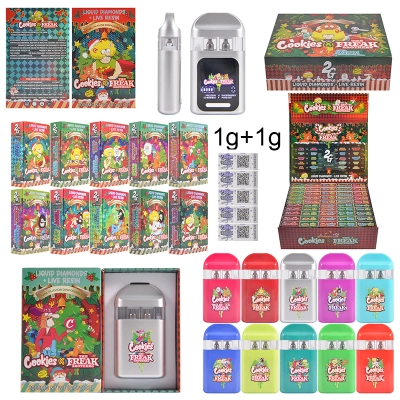
Lock your SKU first (screen vs screen-less, capacity, intake geometry, packaging), then route your team to a single canonical item page so everyone uses the same spec. If you’re building a Packman-focused line, start from the collection hub: ace ultra pac man vape bulk.
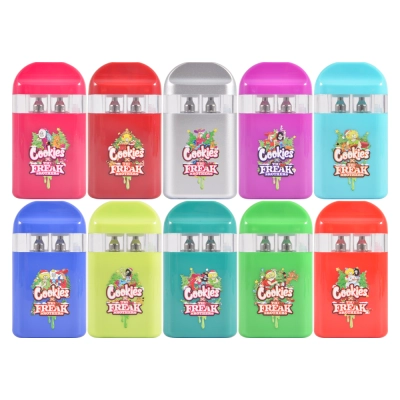
For the 2g format specifically, your reorder-friendly reference should be one product page and one backup listing/category page (so you’re never blocked if one URL changes during a campaign).
Samples: what to request and what to verify
Samples are not just “one piece to look at.” They’re your risk-reduction tool to confirm draw feel, leakage tolerance, charging behavior, and compatibility with your oil and filling SOP. Ask for samples that match your planned batch (same housing, same coil family, same screen version).
Minimum sample checklist for ACE Ultra Packman
- Physical spec confirmation: capacity class, intake-hole geometry, mouthpiece seal fit, and any screen window alignment.
- Functional check: charging handshake, draw activation consistency, and basic fault behavior (e.g., low-voltage cutoff).
- Fill-line compatibility: your viscosity range + soak time + capping torque (use your real SOP, not “bench guessing”).
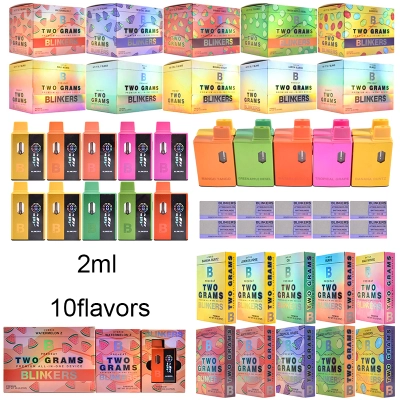
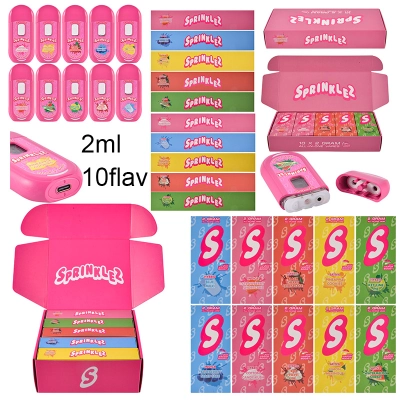
- Packaging fit: ensure the device footprint and tray/insert match your retail box plan.
If you need a fast way to align your team on the exact 2g item they’re sampling, reference the 2g page once and keep it consistent: ace packman disposable.
Deposits: common structures and how to protect cashflow
Deposits exist because factories reserve components, schedule production time, and sometimes start packaging print runs before final payment. What matters most is not the deposit percentage—it’s what triggers the next payment and what deliverables you get at each step.
Practical deposit rules most B2B buyers follow
- Pay deposit only after sample sign-off (your QC checklist becomes the acceptance standard).
- Define “ready to ship” in writing: packing list + QC photos + carton count + tracking/booking confirmation.
- Split risk with milestones: deposit → mid-production update → balance after pre-ship QC is documented.
- Keep reorder leverage: negotiate stable specs and a change-control note for future batches (screen supplier, battery lot, housing color).
Tip: If you are planning an evergreen SKU, ask your supplier to document the “golden sample” photos and the key measurements that must not change without approval (intake hole, mouthpiece seal, PCB layout/screen window). That’s how experienced buyers reduce support tickets later.
Lead times: production + packaging + shipping (with realistic ranges)
Lead time is not one number—it’s a stack: sample approval time + mass production time + packaging time + freight transit + local delivery. Your total timeline can swing widely based on customization and shipping mode.
Use these ranges to forecast (then add buffer)
- Mass production (after sample approval): smaller runs often land in the ~15–25 day range, while larger/custom runs can extend ~25–40 days depending on options and material availability (example production ranges published by manufacturers vary by category, but this is a common planning band for B2B procurement). See an example range discussion here: production lead time reference.
- Custom printed packaging: typical production windows for custom boxes are often quoted around ~20–25 business days (rush options may exist but cost more).
- Ocean freight China → USA (door-to-door planning band): commonly ~30–40 days in many lanes for door-to-door planning. Reference: Freightos lane guidance.
- Air freight China → USA (airport-to-airport planning band): often ~5–10 days depending on service level and lane. Reference: mode comparison & transit band.
If you’re selling a time-sensitive drop, don’t guess. Build a calendar backwards from your launch date: content + inventory arrival + inbound QC + label/pack-out + fulfillment staging. Then choose the shipping mode that actually matches the calendar.
For buyers who want a backup listing for procurement continuity, you can also keep this collection page saved: ace x packman 2g wholesale.
Documents that reduce delays (battery + freight + traceability)
Lithium-battery devices fall under hazardous materials rules in many transport contexts. When documentation is missing, shipments are the first thing to slip—and your “lead time” becomes meaningless.
Keep these three references in your buyer file
- US DOT / PHMSA lithium battery transport overview: helps you align expectations on regulated shipping requirements. PHMSA lithium battery transport
- IATA lithium battery guidance (air freight planning): contains practical guidance used across air cargo supply chains. IATA guidance document (PDF)
- UN 38.3 testing overview (what buyers typically ask for): clarifies the role of UN 38.3 in battery transport readiness. UN 38.3 testing overview
Practical takeaway: for bulk orders, request a documentation pack early (test summary availability, packing list format, carton labeling rules), so your freight booking doesn’t become the bottleneck after production is finished.
checklist: turning a bulk buy into a sell-through plan
A BoFu buyer doesn’t just want “in stock.” They want a repeatable launch path: predictable delivery windows, stable specs, and fewer customer support headaches. Use this checklist to translate procurement into margin and velocity.
10-minute GTM plan for distributors and brand operators
- SKU architecture: choose 1 hero SKU + 1 backup SKU (screen vs screen-less) to avoid stockouts.
- Quality narrative: publish a simple QC promise (incoming checks, leak-prevention, charge-test sampling rate).
- Ops timing: pick your shipping mode based on calendar reality (not hope), then add buffer for inbound QC and pack-out.
- Reorder cadence: set a reorder trigger (e.g., weeks of cover) and ask for spec change-control notes.
- Support reduction: standardize buyer education (charging, storage, handling) to cut avoidable RMAs.
Ready to place a bulk order?
The fastest way to get accurate samples, deposit terms, and a lane-based lead-time quote is to send your target quantity, shipping destination, and whether you need custom packaging. We’ll map the timeline and recommend the lowest-risk route for your launch date.



0 Comments