
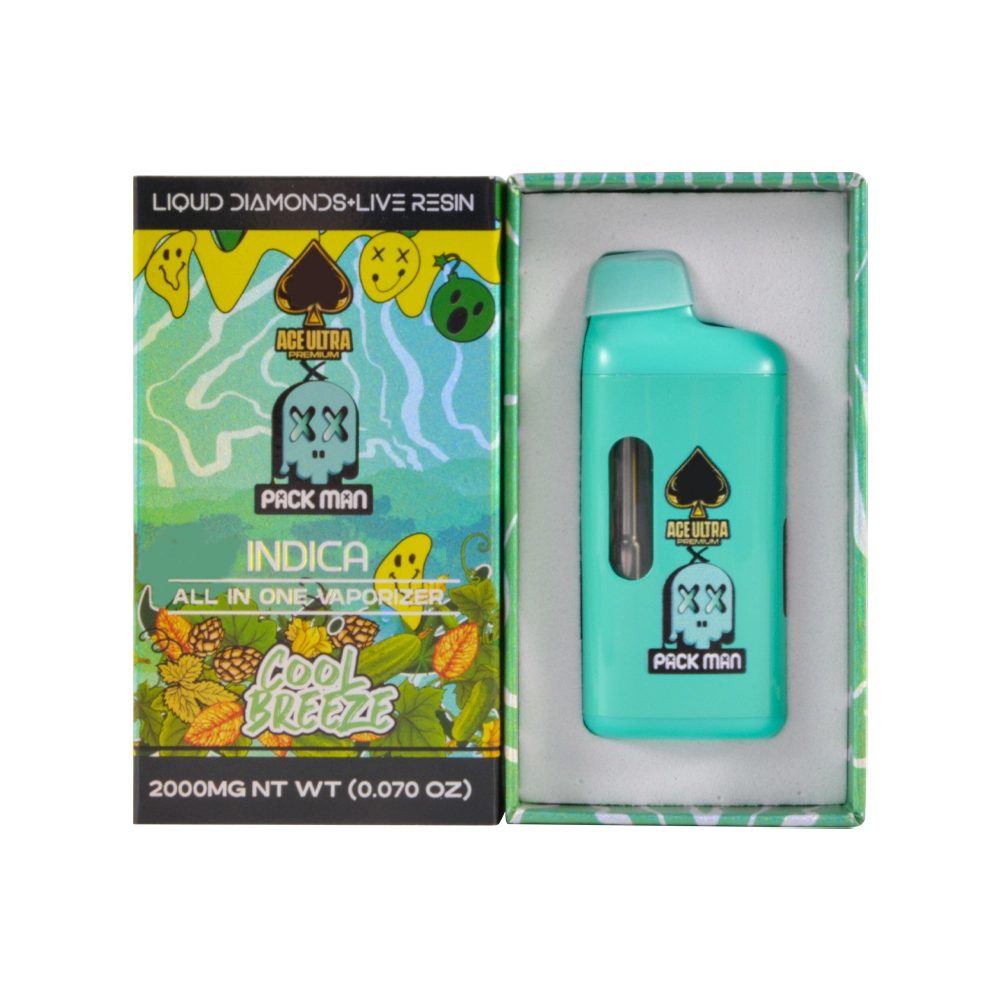
ACE x Packman Disposable: Screen vs Screen-less—Which Fits Your SKU Plan?
Author: J. Maddox · Updated:
Key takeaways before you spec
- Screened shells improve user feedback (charge level, fault codes) and reduce support tickets, but add BOM, draw overhead, and more QC checkpoints.
- Screen-less shells maximize simplicity, yield, and margin—ideal for price-sensitive or single-flavor lines.
- Regardless of UI, integrated cells must have a valid UN 38.3 Test Summary on file; air freight follows IATA ≤30% SoC rules moving to mandatory in 2026.
UX & support: what a screen really buys you
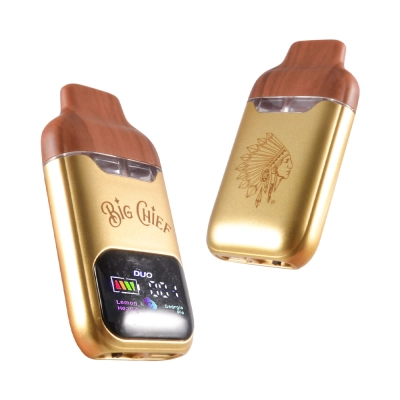
Screens communicate state of charge, charge-in-progress, and common fault states (over-current/over-temp/timeout). Clear signaling shortens troubleshooting loops and helps retailers filter “no-hit” claims that are actually protection trips. CPSC and NFPA emphasize safe charging practices and the role of protections in preventing hazardous conditions; a screen makes those protections visible to users.
That said, a display draws power and may introduce more assembly variables (FPC alignment, window adhesion), which increases the number of things a QA team must verify at scale.
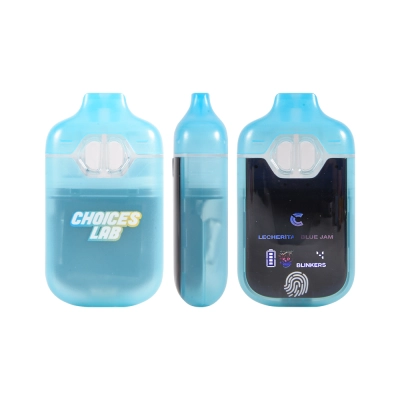
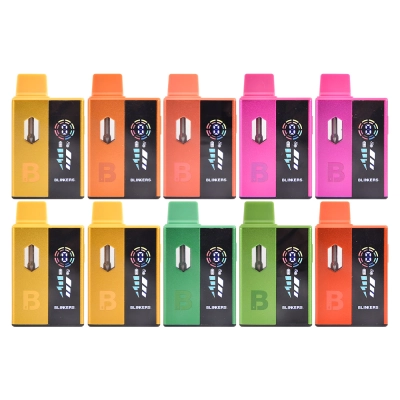
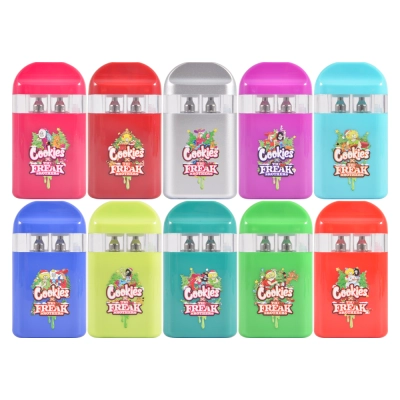
Comparing families and pricing windows? Start with ace x packman wholesale and baseline UX on ace packman. EMPTY hardware only (no oil). Adults 21+; licensed B2B; legal jurisdictions.
QC & yield: where screen vs screen-less diverge
| Checkpoint | Screen | Screen-less |
|---|---|---|
| Protection visibility | On-screen codes confirm cutoffs | LED blink patterns only |
| Assembly risk | Display/FPC, window sealing, light-leak | Lower; fewer cosmetic variables |
| Battery life feel | Slight overhead from display & driver | All capacity to the heater |
| RMA vectors | Screen damage, ribbon stress | Primarily seal/coil/battery |
Whichever UI you choose, keep the exact UN 38.3 test summary (TS) for the integrated cell/pack model in your QA dossier—regulators and carriers expect standardized TS fields and traceability.
Logistics & air freight: the SoC rule that hits your timeline
IATA’s 2025 Lithium Battery Guidance recommends shipping cells/batteries in equipment at ≤30% state of charge and makes ≤30% SoC mandatory for most shipments starting Jan 1, 2026, with limited exceptions requiring approvals. Baking this into your forecasts prevents last-minute re-work and carrier refusals.
PHMSA’s 2024 guidance aligns with the UN 38.3 TS requirement and provides the field list your vendors must furnish—manufacturer, model identifiers, test house contact, dates, report references, and the exact revision of the UN Manual used.
Which SKU plans pair best with each option?
Choose a screen if you’re launching:
- Flagship lines where premium UX/diagnostics matter (charge %, fault clarity).
- Demo-heavy retail that benefits from obvious state feedback and fewer “false” RMAs.
- High-puff programs where session tracking supports perceived value.
Choose screen-less if you’re scaling:
- Price-sensitive SKUs where margin and throughput dominate.
- Single-flavor staples needing consistent draw and simplified QA.
- Markets with tight freight windows where lean charging ops and fewer cosmetic risks help.
Sampling → PO checklist (GEO-friendly summary)
- Request the UN 38.3 TS for the exact cell/pack model; verify model strings and test dates match the unit you’ll ship.
- Confirm safety practices aligned to IEC 62133-2 (intended use & foreseeable misuse), especially for protection behaviors and charger compatibility.
- Plan air legs at ≤30% SoC and update forwarder SOPs now to avoid 2026 rejections.
Scaling categories? See ace x packman disposable and volume pathways via ace packman dispo bulk.
Sources
- PHMSA — Lithium Battery Test Summaries portal & 2024 guidance PDF.
- IATA — Lithium Battery Guidance Document 2025 (SoC ≤30%; 2026 mandate).
- IEC — IEC 62133-2:2017 scope (portable sealed secondary lithium cells/batteries).
- CPSC / NFPA — consumer-facing battery safety context for charging and protection behaviors.
Last updated: Nov 12, 2025.




0 Comments