
BoFu • Wholesale Format Decision • 2025
Big Chief Duo vs 2-Gram Single-Chamber Disposables: Which Format Sells Better in 2025?
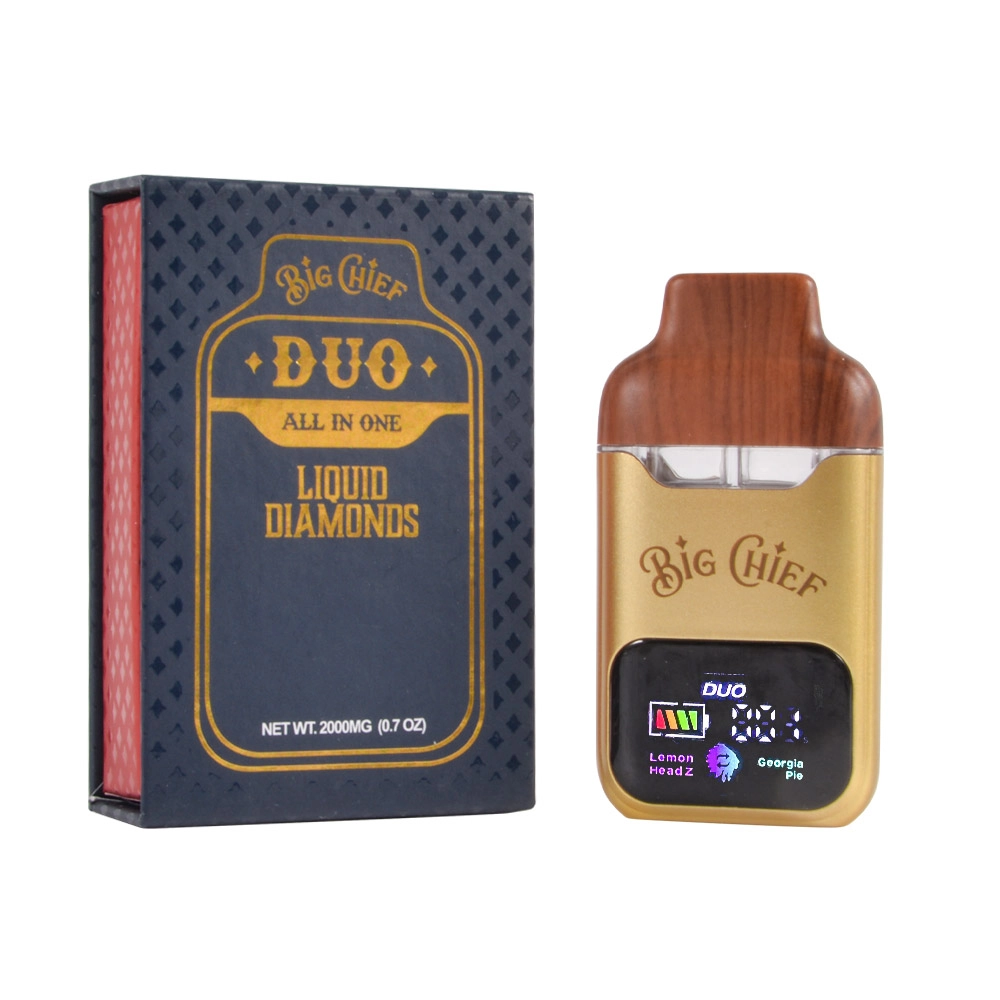
If you’re building a 2025 shelf plan around Big Chief-style empty hardware, you’re really choosing between two revenue models: (1) the “switchable experience” (Big Chief Duo, dual-chamber 1g+1g behavior) and (2) the “single-SKU workhorse” (2g single-chamber).
The short answer most distributors hate hearing is: both can sell—but they win in different stores, price bands, and replenishment rhythms. This BoFu guide gives you a decision framework, a GTM launch plan, and the “what to stock first” checklist so you can commit inventory with less regret.
A buyer’s decision framework for 2025
In 2025, “best-selling” isn’t only about demand. It’s demand minus friction: compliance friction, returns friction, and refill/reorder friction. Use this framework to pick the format that sells and replenishes cleanly.
Score each format on 5 levers
- Velocity: How fast does the SKU move per facing?
- Repeatability: Does the customer re-buy the same SKU, or do they “try once”?
- Merchandising: Can staff explain it in one sentence (or do you need education)?
- Quality risk: How likely are warranty claims (leaks, clogs, screen/battery issues)?
- Procurement certainty: Can you benchmark pricing and re-order without spec drift?
What the two formats actually optimize for
Big Chief Duo: “experience-led” shelf strategy
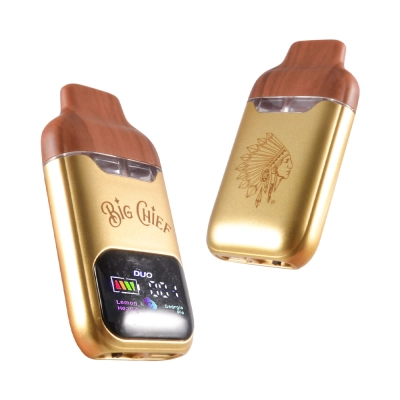
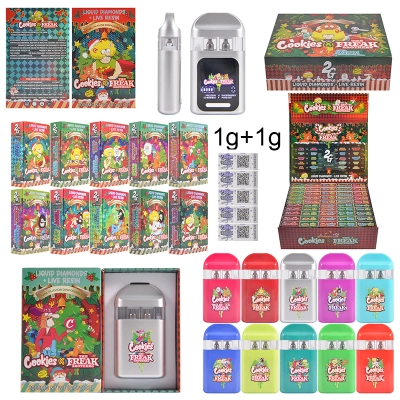
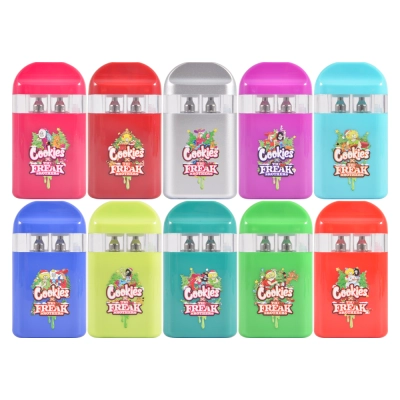
Big Chief Duo-style hardware exists for one job: turn novelty (two chambers, choice, “switching”) into higher conversion at the counter. When it works, it behaves like a “feature upgrade” buyers can justify at a higher retail tier.
2g single-chamber: “reorder-led” shelf strategy
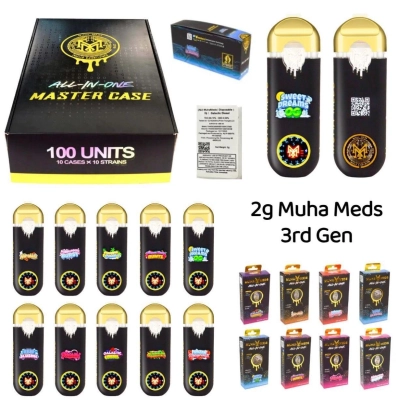
The 2g single-chamber format wins on simplicity: one chamber, one fill program, fewer “what is this?” conversations, and easier SKU rationalization. In distributor terms, it’s a replenishment engine.
So… which format sells better in 2025?
If you mean fastest initial sell-through on a new drop, dual-chamber formats like Big Chief Duo often spike harder because the feature is visible and easy to pitch. If you mean steady reorder velocity across months, 2g single-chamber usually wins because it’s operationally simpler and easier to keep “always in stock.”
The practical 2025 conclusion
For most B2B teams, the best-performing plan is a two-tier lineup: 2g single-chamber as the volume core, plus Big Chief Duo as the premium upsell. This protects your revenue if regulations tighten or if one format has a temporary quality issue.
Unit economics: margin, ASP ladder, and reorder velocity
Use a “pricing ladder,” not a single price point
The #1 mistake in 2025 is stocking only one format and forcing every buyer into the same price band. Instead, build a ladder:
- Entry: 2g single-chamber (lowest friction, easiest reorder)
- Premium: Big Chief Duo (feature-led, higher perceived value)
Benchmark your cost floor before you set promotions
Don’t guess wholesale benchmarks—use live category pricing pages as a “sanity check” during RFQs and reorder cycles. Start with chief vape price and compare tier breaks against your current quote. If a vendor undercuts far below the market, treat it as a documentation/QC risk until proven otherwise.
If you’re planning a bulk PO, route your internal procurement checklist through a market-facing baseline like big chief price wholesale to keep your team aligned on realistic targets (and to avoid “too good to be true” traps).
Where Big Chief Duo tends to win financially
- Higher attachment rate: premium packaging + “two-in-one” story improves counter conversion
- Better promo resistance: you can hold price longer because the feature differentiates
- Bundle leverage: Duo works well in “premium shelf” bundles without discounting the core
Where 2g single-chamber tends to win financially
- Lower support cost: fewer education questions, fewer “how do I switch?” issues
- Cleaner forecasting: steadier reorder curves, simpler SKU planning
- More flexible sourcing: broader comparable suppliers and easier spec-matching
Operational reality: RMAs, returns, and stability risk
Dual-chamber adds invisible failure modes
Dual-chamber devices can hide defects that single-chamber hardware won’t: chamber bleed, divider seal micro-gaps, and coil-to-coil variation. Your GTM plan should assume more QA steps for Duo.
Single-chamber reduces complexity (and customer friction)
Single-chamber 2g is easier to fill consistently, easier to QC at receiving, and easier to explain. For many distributors, that simplicity is exactly why reorder velocity stays strong.
Procurement tip: standardize your inbound checklist
If you’re buying Duo at scale, treat it like a “premium SKU” with premium incoming inspection: sample size targets, seal checks, and functional checks per lot. If you’re building breadth, use big chief disposable wholesale to keep routing consistent and reduce miscommunication across teams.
GTM playbook: how to launch without overstocking
Phase 1 (2–3 weeks): A/B test two shelves, not one
- Pick 2 store clusters (high-traffic + repeat customers) and give each a different hero format.
- Track sell-through per facing and returns per 100 units.
- Interview staff weekly: what do customers ask, what stalls the sale?
Phase 2 (weeks 4–8): Convert the winner into a replenishment plan
If Duo wins on hype but loses on returns, keep it as a premium lane and let 2g single-chamber drive volume. If Duo wins on both, scale it—but only after you lock specifications and QA gates.
Phase 3 (quarterly): expand SKUs only after stability
2025 buyers reward consistency. Don’t add “five more versions” until your first two SKUs are stable across at least one reorder cycle.
What to buy first (starter POs by channel)
For distributors optimizing reorder velocity
- Core: 2g single-chamber as your “always available” SKU
- Upsell: add 1–2 Big Chief Duo SKUs for premium shelf rotation
For retailers optimizing counter conversion
- Hero SKU: start with big chief duo
- Backup: keep a 2g single-chamber option to catch price-sensitive traffic
For brand owners planning OEM later
- Validate Duo performance first, then move to customization only after you can quantify sell-through and returns.
- Lock your spec sheet before scaling ads—nothing kills ROAS like mid-run spec drift.
FAQ (procurement questions buyers actually ask)
1) If I can only pick one format for Q1 2025, what’s safer?
If you need predictable reorders and minimal training, start with 2g single-chamber. If your channel wins on premium upsell and newness, start with Duo—but budget extra QA.
2) How do I prevent “format confusion” in my catalog?
Use a simple naming rule: Duo = dual-chamber, 2g single = single-chamber. Keep one hero image per format, and avoid mixing “Duo” with non-Duo visuals on the same listing.
3) What should my reorder trigger be?
Reorder when the core SKU hits 2–3 weeks of cover (based on recent weekly sell-through), and keep Duo on a tighter rotation (because premium SKUs can be trend-sensitive).



0 Comments