
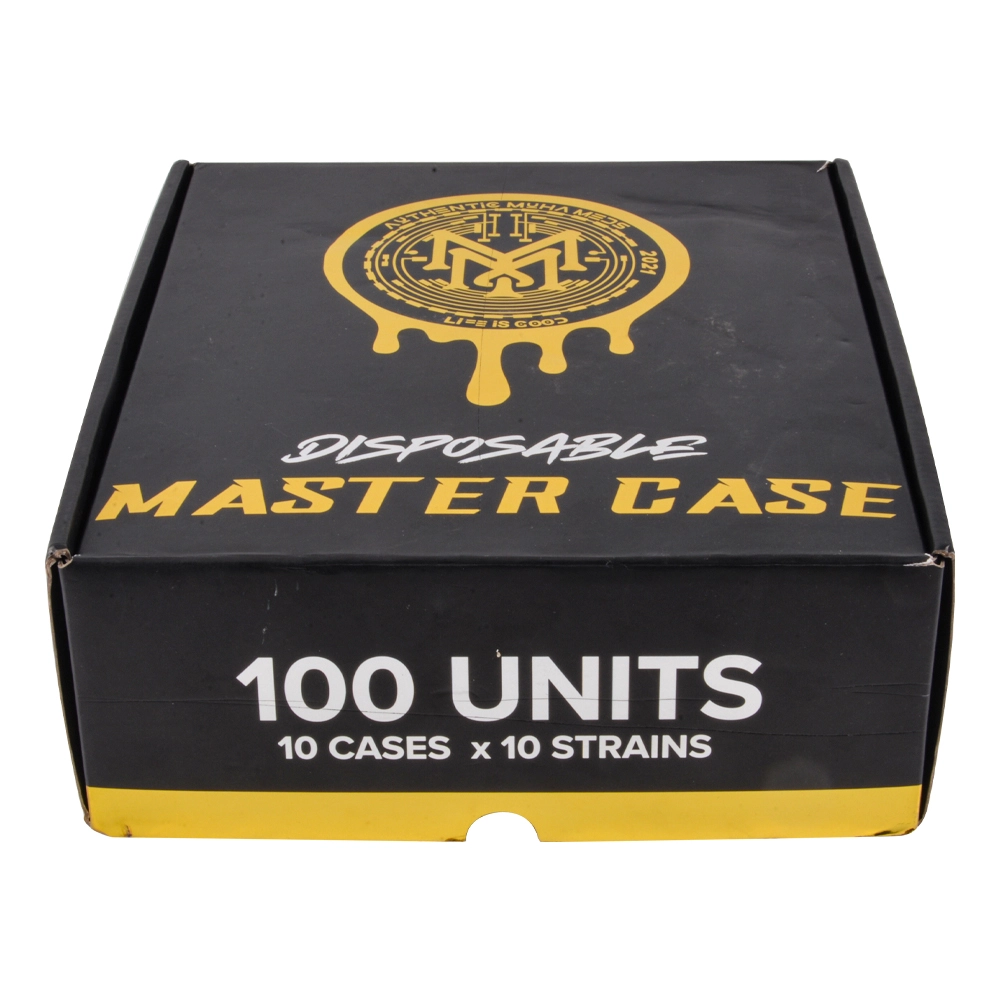
Charging Logic on Muha-Style AIOs: Protections, Indicators, and Safe Habits
Author: Jack McDarin · Updated:
Key facts (USB-C charging behavior—timeouts, protections, fault blinks)
- Integrated-cell AIOs typically implement time-out cutoffs and protection ICs for short-circuit, over-current, and over-temperature; repeating fault blinks after cooldown indicate stop-use and service. (General lithium safety context from IEC 62133-2).
- Safe charging basics: listed adapters/cables on a hard, visible surface; avoid extreme temperatures; unplug at full. Authoritative consumer safety bodies echo these practices.
- Even “empty” devices with cells move under transport rules: keep the UN 38.3 Test Summary (TS) for the exact cell/pack; align air legs with IATA ≤30% SoC guidance (mandatory from Jan 1, 2026).
USB-C behavior & protections
Most Muha-style AIOs negotiate simple 5 V USB-C charging without PD. The protection stack combines a charge controller and battery protection IC: it limits charge current, cuts off at full, and trips on short, over-current, or over-temp. After a trip, the device may blink a fault code and refuse input until temperature and voltage return to nominal. Do not bypass faults with non-spec chargers or jumpers; persistent blinks are a stop-use signal. (Safety and misuse boundaries are treated in IEC 62133-2).
Indicators & fault blinks
Common patterns include: pulsing while charging, solid when full, and blink-faults for over-current/short or thermal events. Because patterns vary by vendor, embed the legend in your IFU and train retail/demo teams to stop use on repeat faults and to check cable/adapter integrity first. Consumer safety guidance also recommends unplugging on full and never leaving devices charging unattended on soft/flammable surfaces.
Safe charging habits (for support teams & end users)
- Use intact, listed adapters/cables; avoid damaged cords and third-party bricks of unknown provenance.
- Charge on a clean, hard, visible surface; keep away from pillows/sofas and flammables; avoid extreme heat/cold.
- Unplug at full; do not habitually charge overnight; stop if you notice heat, odor, swelling, or repeated fault blinks.
Category overviews for licensed buyers: muha meds wholesale • muha meds disposable wholesale • muha meds bulk 2025. EMPTY hardware only (no oil). Adults 21+; licensed B2B; legal jurisdictions.
Compliance docs that still apply to empty devices
UN 38.3 Test Summary (TS): PHMSA’s revised 2024 guidance details standardized TS fields (model IDs, test house, dates, report refs, UN Manual revision). Keep the TS that matches the exact cell/pack model inside your shell for auditors and carriers. :contentReference[oaicite:8]{index=8}
IATA SoC: IATA’s 2025 guidance and fact sheet confirm ≤30% SoC widely recommended now and required from Jan 1, 2026 for most shipments containing cells/batteries in equipment; align freight SOPs and forwarder instructions.
FAQ
Why does a device refuse to charge after a hot car ride?
Protection ICs often inhibit charge below/above safe temperature windows; allow cooldown at room temp, then retry with a listed adapter/cable.
Are third-party fast chargers okay?
Stick to reputable 5 V sources and intact cables; mixed-spec bricks and damaged cords raise nuisance faults and risk.
Does the ≤30% SoC rule go on the retail label?
No—it’s an air-transport condition. Implement via booking notes and shipper SOPs; keep UN 38.3 TS on file.
Sources
- PHMSA — Lithium Battery Test Summaries (TS) PDF, revised July 2024; TS overview page (updated 2024).
- IATA — Lithium Battery Guidance Document 2025; Lithium Batteries Fact Sheet (2025 update; 2026 mandate).
- IEC — IEC 62133-2:2017 scope (portable sealed Li systems); UL explainer for the 62133 family.
- FDA — “Tips to Help Avoid Vape Battery Fires or Explosions”; NFPA consumer tip sheets on lithium-ion battery safety.
Last updated: Nov 6, 2025.


0 Comments