
BoFu · Bulk Order Risk Control · Incoming QC · Packaging & Transit
Full QC Checklist Before Buying Muha Meds Empty Devices in Bulk
If you buy Muha-style empty devices in bulk, QC is your margin. This checklist is designed for distributors and resellers who need repeatable acceptance criteria, fewer RMAs .
Compliance reminder: lithium battery shipping commonly references UN 38.3 transport testing and related documentation requirements in many supply chains. See the UN Manual and regulators for the latest guidance. (Refs: UNECE UN Manual updates, PHMSA test summary guidance)
Acceptance Standard You Should Use (So QC Isn’t “Opinion”)
Bulk buyers lose money when “QC” is vague. For B2B purchasing, use an attribute sampling approach aligned with ISO 2859-1 (acceptance sampling indexed by AQL). This gives you a defensible sampling size and clear accept/reject rules, rather than debating defects one-by-one. (Ref: ISO 2859-1 overview)
Recommended AQL targets for empty disposables (practical B2B baseline)
- Critical defects (short, thermal event signs, severe leakage): AQL 0.0 (reject if found)
- Major defects (no power, charging failure, draw failure, screen dead): AQL 0.65 or tighter
- Minor defects (cosmetic scuffs, light logo misprint): AQL 2.5
Why this matters: AQL is how serious importers prevent “death by 2% defect rate” across thousands of units. Many third-party inspection frameworks reference ISO 2859-based AQL methodology. (Ref: QIMA AQL explainer)
Pre-Shipment Evidence Pack (Before You Pay the Balance)
Before your bulk order ships, request an “evidence pack” and set a rule: no documents, no shipment. This is the fastest way to reduce post-arrival disputes and protect your GTM timeline.
What to collect (minimum)
- Battery transport proof: UN 38.3 test evidence and (where applicable) test summary workflows referenced by regulators. (Ref: PHMSA lithium battery test summaries)
- Cell/battery safety standard alignment: many supply chains use IEC 62133-2 for portable rechargeable lithium batteries. (Ref: IEC 62133-2)
- Golden sample photos + short video: power-on, draw activation, charging, and (if applicable) screen UI cycling.
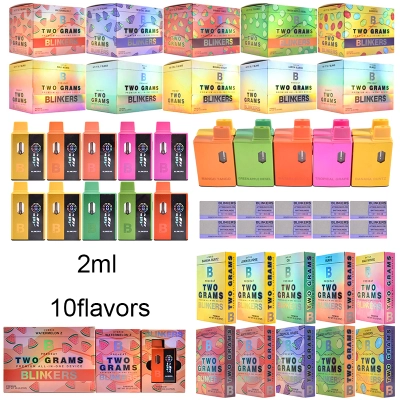
- Packaging spec: inner tray type, master carton dimensions, drop protection method, seal/tape spec.
- Change-control note: confirmation that no coil/battery/PCB/airflow mold changes occurred vs your last approved lot.
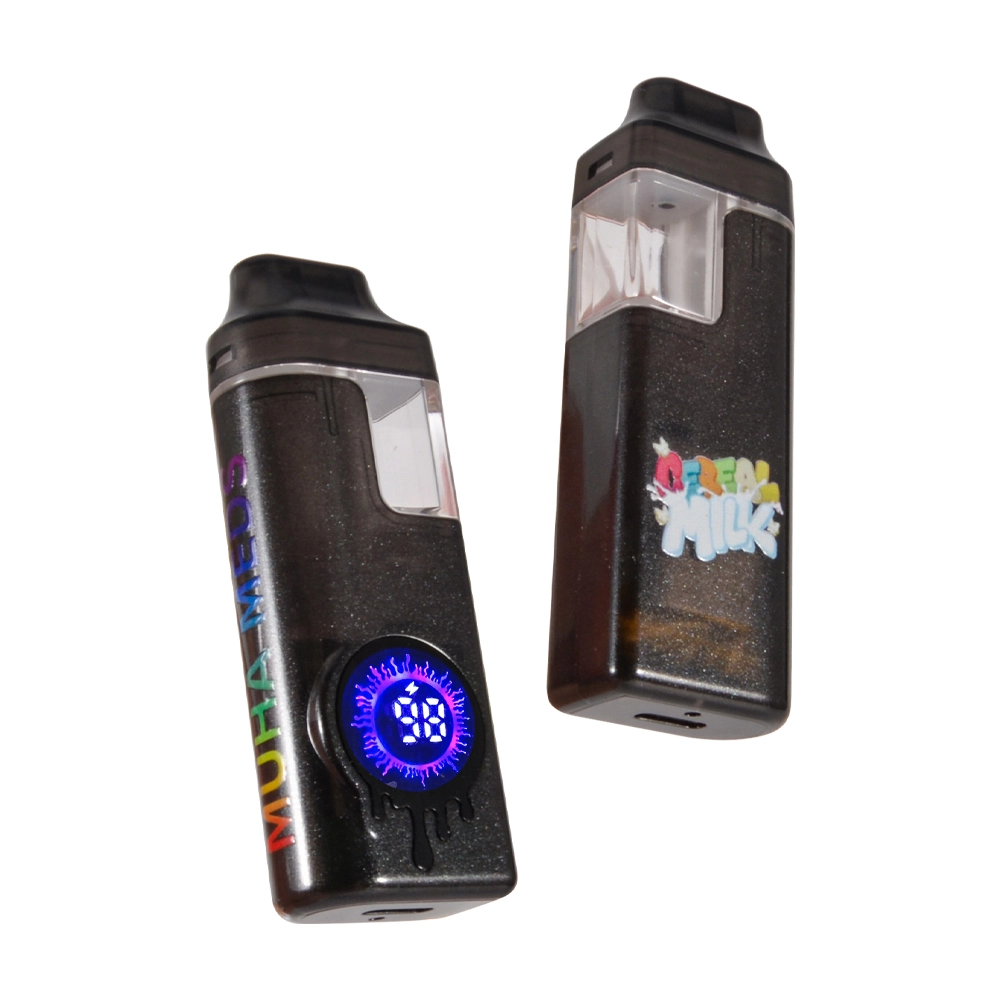
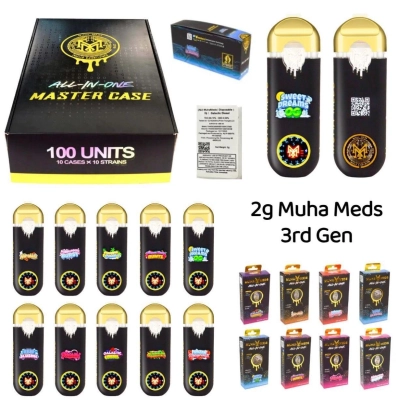
If you’re sourcing from VapeBarLife, start your order path here: muha meds wholesale and browse ready-to-ship shells here: muha meds disposable wholesale.
Incoming QC Checklist (AQL + 30-Minute Line Test)
When cartons hit your dock, you need two layers: (1) AQL sampling for accept/reject, and (2) a fast functional line test that catches the defects that generate RMAs.
Step 1: Receiving & carton integrity (5 minutes)
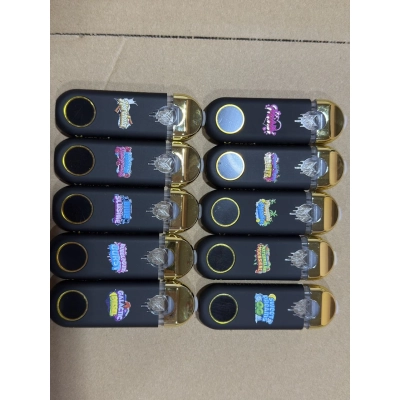
- Record lot ID, date, carton count, and photos of all pallet faces.
- Check crushed corners, water exposure, re-taping, and mixed carton labels.
- Verify packed quantity vs invoice (carton count + inner pack count).
Step 2: Visual + mechanical checks (10 minutes)
| Check | How to test | Reject if |
|---|---|---|
| Mouthpiece fit & seam | Twist/press lightly, inspect seam under strong light | Gap, rocking, or visible adhesive bleed |
| Airflow path | Dry draw test (no fill), listen for whistle/obstruction | Blocked draw or inconsistent resistance unit-to-unit |
| USB-C port alignment | Insert known-good cable gently (no force) | Port off-center, loose, or unstable contact |
| Housing stress | Moderate finger squeeze near battery bay | Creaking, flex, or shell separation |
Step 3: Electrical & charge checks (10 minutes)
- Power-on behavior: LED/screen response must be consistent (same UI, no flicker).
- Charging handshake: plug in for 30–60 seconds; confirm stable indicator (no intermittent disconnect).
- Short-screen: smell check + heat check (warm is a warning; hot is a stop-ship event).
Step 4: Leak-risk checks (5 minutes)
- Check fill port seals, tank weld lines, and any oil-window lens seating (if design includes it).
- “Tilt test”: rotate device slowly and verify no loose internal parts (rattle = future returns).
If you want a packaging simulation benchmark for parcel handling, ISTA Procedure 3A is widely used for individual packages shipped through parcel networks. (Ref: ISTA test procedures)
Screen Version Checks (LED/Display Units)
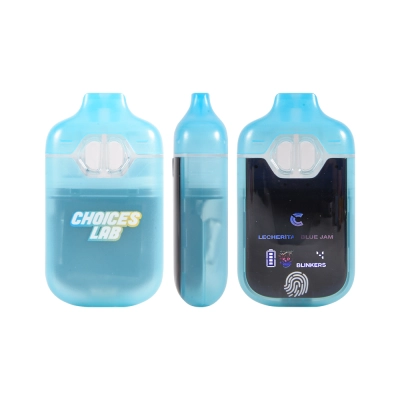
Screen SKUs convert well, but they also introduce new failure modes (display driver, flex cable, battery gauge logic). If you’re buying display models, treat them as a separate QC lane.
Screen-specific checklist (do this on every sampled unit)
- Boot sequence: UI must load cleanly within the same time window, no random icons or partial segments.
- Brightness consistency: compare 3 units side-by-side under identical lighting.
- Button/gesture response (if present): no double-trigger or dead zones.
- Charge indicator logic: during plug-in, battery icon should change predictably (no “stuck at 99%”).
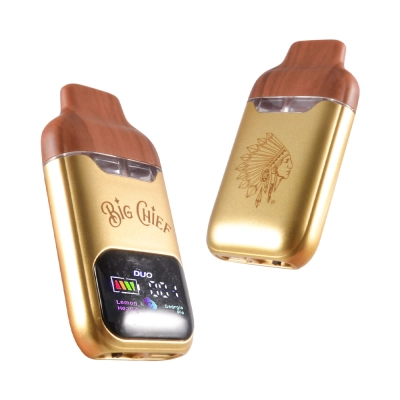
For display SKUs on VapeBarLife, review your options here: muha with screen and compare another screen listing here: muha with a screen.
Want market positioning support? VapeBarLife already has a 2025 comparison piece you can align your merchandising with: LED Screen vs Non-Screen Muha 2G Devices.
Packaging & Transit Tests (Damage, Leaks, Returns)
Transit damage is a silent margin killer: crushed cartons turn into cracked tanks, loosened seals, and intermittent charge issues. Your QC should include packaging verification—because “device QC” without “packaging QC” is incomplete.
Packaging checks that actually reduce RMAs
- Inner tray lock: device must not slide or rotate freely.
- Master carton drop protection: corner strength + void fill consistency.
- Seal quality: consistent heat seal or adhesive pattern (no half-sealed edges).
- Label durability: smudge test and tape-peel test (labels must survive sorting friction).
If your distribution model relies on parcel networks, ISTA 3A is commonly referenced as a general simulation test for individual packaged-products. (Refs: ISTA Procedure 3A overview, ANSI webstore listing)
Lot Release, Traceability, and Go-To-Market Rules
BoFu buyers care about one thing: will this lot perform consistently after I commit to inventory? Your GTM should include a “lot release gate” so you never launch a SKU before it’s proven stable.
A simple lot release rule (use this every time)
- Pass AQL for critical/major/minor defects.
- Pass 30-minute line test (power + charge + draw + fit checks).
- Pass packaging verification (carton integrity + inner tray stability).
- Record traceability: lot ID + receiving photos + defect log + supplier evidence pack.
What documents should I request for lithium-battery shipping compliance?
Many supply chains reference UN 38.3 transport testing for lithium cells/batteries and (in some jurisdictions) test summary documentation workflows. Use official references to confirm what applies to your route and carrier. (Refs: PHMSA, UNECE)
How do I keep QC consistent across repeated reorders?
Lock a “golden sample,” require a change-control note on every reorder (coil/battery/PCB/airflow molds), and keep the same AQL plan so your acceptance rules never drift. This protects your GTM calendar from surprise revisions.
Disclaimer: This content is for B2B buyers in legal jurisdictions and discusses empty hardware shells only. All brand names are property of their respective owners. Always follow local laws and carrier rules.



0 Comments