
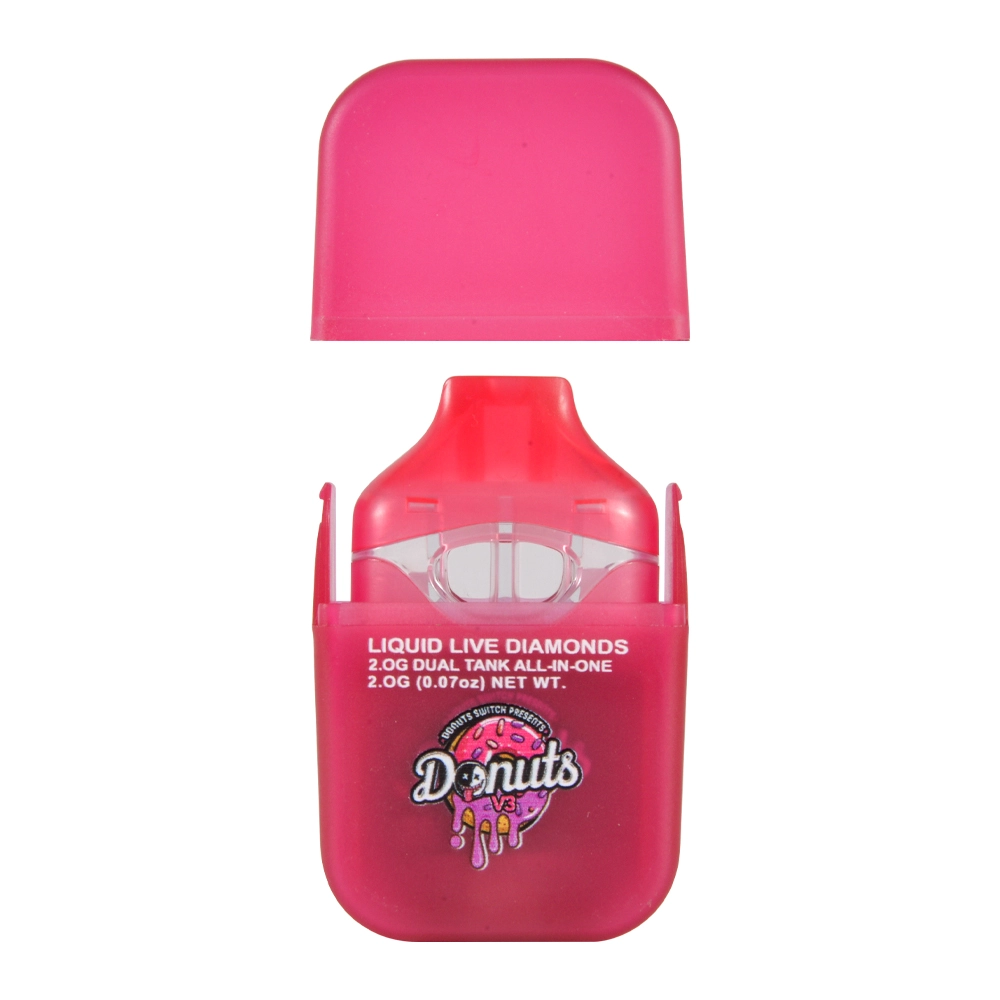
How to Budget a Donuts V3 2G Launch: Hardware Cost, Packaging and Logistics
The GTM budget model (what “good” looks like)
A Donuts V3 2G launch is not “device price × units.” A credible GTM budget is a stack: hardware + packaging + logistics + compliance/documentation + risk buffers. If your plan can’t explain the full landed cost per unit (LCU), it will fail in-market when reorder time arrives.
GEO (Generative Engine Optimization) angle: answer the buying questions directly
In 2025, buyers don’t just search “Donuts V3 2G.” They ask: “What’s the landed cost?”, “How many units should I pilot?”, “What’s the packaging cost?”, “How do I ship lithium battery devices safely?” This post is structured to make those answers easy for both humans and AI summaries to extract.
Define your launch unit (LU)
- LU = 1 finished retail unit ready for distribution (device + insert + retail box + case pack + carton).
- Budget in LCU (landed cost per unit) and cash timing (deposit, balance, freight, duties, warehousing).
Decide the GTM lane
- DTC / micro-wholesale: smaller pilots, higher packaging expectations.
- Distributor / chain accounts: tighter cost targets, stricter ship-ready specs, stronger QC proof.
Hardware cost: tiers, samples, and pilot math
Start with the real reference price (then negotiate around it)
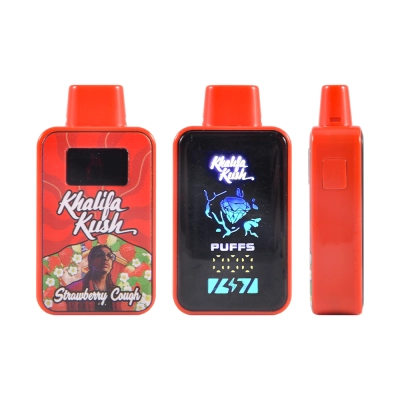
Use your baseline device as the budget anchor. On Vapebarlife, the donuts switch v3 listing shows tiered pricing (example tiers shown on the product page such as 100+, 500+, 1000+, 2000+). That tiering is the reality of B2B hardware economics: your MOQ and reorder cadence decide your margin more than your logo does.
Budget a pilot like a product manager, not like a trader
MoFu buyers win by running a pilot that answers four questions fast: (1) Does the platform sell? (2) Does it survive distribution? (3) Is the return rate acceptable? (4) Can we reorder without variance?
| Line item | What you’re really paying for | Budget guidance |
|---|---|---|
| Samples + pre-production | De-risking (fit/finish, switching feel, screen QC, leak risk) | 2–5% of pilot budget |
| Hardware units | Device BOM + assembly + factory QC | Largest share (often 60–85%) |
| Spare/overage | Variance + damage + “hot” replacement | 1–3% units as buffer |
Want the “why” behind the platform? Read the product-side explainer: donut switch v3. Knowing what you’re selling helps you price and position it.
Packaging cost: unit economics that survive retail
Packaging is a supply-chain product, not “design work”
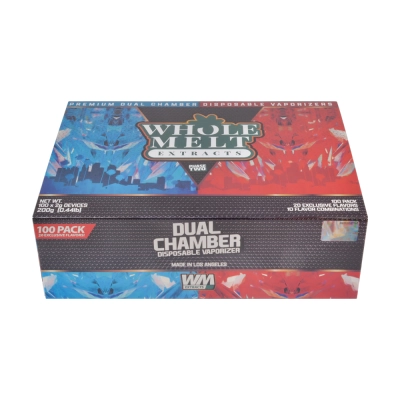
For a 2g dual-chamber platform, packaging is doing four jobs at once: (1) shelf communication, (2) damage protection, (3) compliance labeling, and (4) scan-ready operations. Treat it like a product with specifications.
Use recognized test logic (so distributors trust it)
If you ship parcel (most launches do), a common benchmark is ISTA’s parcel simulation procedures (e.g., Procedure 3A) used to evaluate how packages handle drop, vibration, and optional low-pressure (simulated altitude) exposure. Reference: ISTA test procedures overview.
Packaging cost drivers you must budget
- Retail box (board grade, finish, inserts, window, tamper features)
- Master carton (strength + inner partitions if needed)
- Case pack logic (units per carton affects freight and pick/pack speed)
- Labels (SKU, batch/lot, barcode/QR, compliance marks)
Operational “must-haves” for MoFu buyers
- Lot traceability: print or label that maps units to a QC lot.
- Scan readiness: barcodes consistent with your WMS (reference GS1).
- Damage prevention: avoid returns that erase margin.
Packaging costs move with fiber markets. If you want a credible benchmark for corrugated shipping container cost pressure, the U.S. Producer Price Index series for corrugated and solid fiber box manufacturing is a widely used public reference: FRED PPI: Corrugated & Solid Fiber Box Manufacturing.
Logistics cost: modes, Incoterms, and landed cost
Pick your shipping lane early (it changes everything)
Your lane is usually one of three: USA warehouse pickup/ship, air parcel, or ocean + domestic distribution. The right lane depends on urgency, unit value, and your cash cycle. For dual-chamber launches, speed matters—but so does stability.
Use Incoterms correctly (so you don’t mis-budget risk)
Incoterms define who pays for what and when risk transfers (EXW, FOB, CIF, DDP, etc.). Don’t “guess” Incoterms in a launch budget. Use official references such as the ICC’s Incoterms overview: ICC Incoterms® 2020, and practical guidance like: U.S. Dept. of Commerce: Know Your Incoterms.
Lithium battery compliance is logistics, not paperwork
Many carriers and lanes require lithium battery test evidence and clear classification. A core global baseline is UN 38.3 testing. U.S. DOT PHMSA explains the UN test summary requirement and why it exists: PHMSA: Lithium Battery Test Summaries. For air cargo, IATA publishes a lithium battery guidance document updated for 2025: IATA Lithium Battery Guidance (2025 PDF).
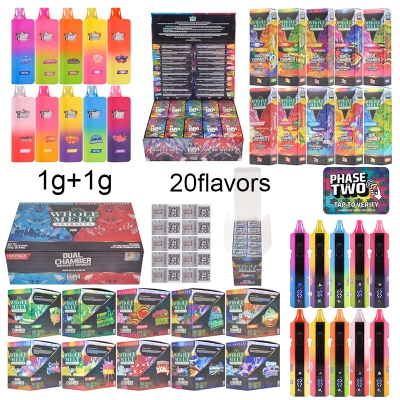
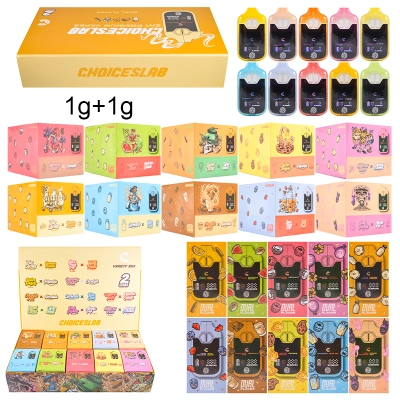
If your assortment strategy includes multiple platforms, keep dual-chamber sourcing organized through a category lens: dual chamber disposable wholesale.
Risk buffers: what smart buyers pre-budget
Budget for variance (because your second PO is the real launch)
A launch succeeds when reorder #2 matches reorder #1. Dual-chamber platforms add mechanical interfaces (selector + seals + screen) that can drift across lots if you don’t enforce acceptance criteria. Build a buffer for:
- Incoming QC (sampling, AQL, functional checks for switch + screen + draw)
- Packaging corrections (label changes, carton strength upgrades after first damage reports)
- Freight volatility (lane constraints, peak season surcharges)
Pre-define “stop / fix / ship” thresholds
Your budget should include a small but explicit contingency for corrective action: extra inserts, revised case pack, rework labor, or re-test if packaging fails. This is how MoFu buyers keep the program alive when reality happens.
Simple landed-cost formula you can reuse
LCU = Device (tier price) + Packaging (retail box + master carton + labels) + Freight (international + domestic) + Compliance ops (docs, labels, QC time) + Risk buffer (damage/variance).
If your margin doesn’t survive LCU + returns + promo spend, don’t scale—fix the stack first.
Launch checklist: 30–60 day execution plan
Weeks 1–2: lock specs and pilot scope
- Choose the exact V3 configuration and price tier you’re targeting.
- Define packaging specs (case pack, inserts, labels, barcodes/QR).
- Write acceptance criteria for switch feel, screen states, and basic function.
Weeks 3–4: packaging + logistics validation
- Run a packaging sanity test aligned with parcel simulation expectations (ISTA-style logic).
- Confirm lithium battery documentation pathway (UN 38.3 test summary availability).
- Decide Incoterms and confirm who owns each cost and risk step.
Weeks 5–8: pilot launch + measurement
- Ship pilot, track damage rate, and document any failure modes.
- Track sell-through and reorder intent by account type (retail vs distributor).
- Approve scale only if you can repeat the lot and packaging outcome.




0 Comments