
BoFu · B2B Buying Framework · Model Selection
How to Choose the Right Packman Model for Your Brand: A B2B Decision Framework
Choosing the right Packman model is not a style decision—it’s an operational one. For B2B buyers, the wrong model increases support tickets, slows sell-through, and complicates reorders. This guide provides a practical decision framework used by distributors and brand operators to align model choice with sales channels, customer expectations, and reorder efficiency.
Key takeaways for B2B buyers
- Start with your sales channel, not the device appearance.
- Screen size, capacity, and edition type directly affect RMA rates and reorder velocity.
- Limit SKUs early—expand only after sell-through data is proven.
- Choose models that support consistent QC and predictable lead times.
The Packman model decision framework
High-performing B2B buyers follow a simple rule: the device must match how and where it will be sold. Instead of comparing every Packman variant on the market, use the four criteria below to narrow your selection.
Framework inputs
- Sales environment (retail, wholesale, events, online)
- Target buyer expectation (premium vs fast-moving)
- Operational tolerance (QC, support, storage)
- Reorder and expansion strategy
Match the Packman model to your sales channel
The same Packman device can perform very differently depending on where it’s sold. B2B buyers who align models with channels reduce friction and increase reorder confidence.
Retail-forward channels
In dispensary-adjacent or display-heavy retail environments, buyers respond strongly to visible features. Models with larger screens and limited-edition positioning tend to convert better because they signal value at first glance.
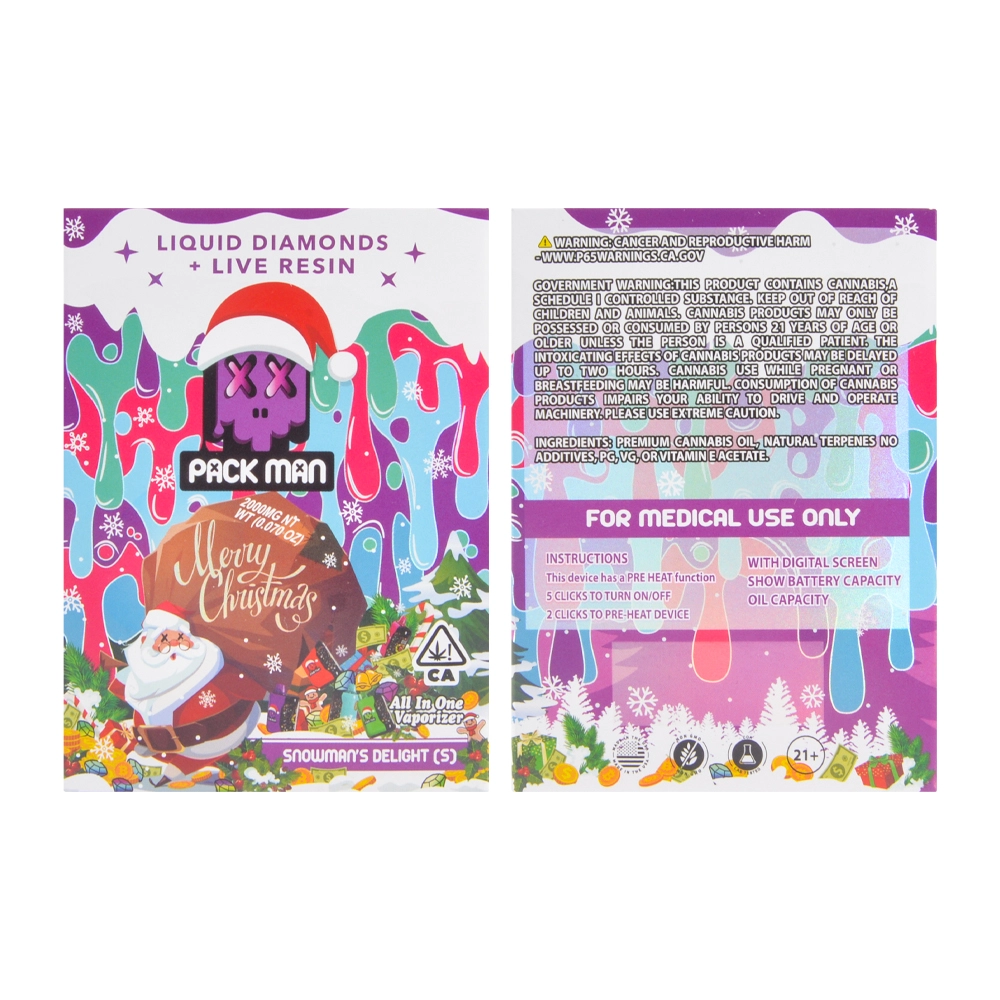
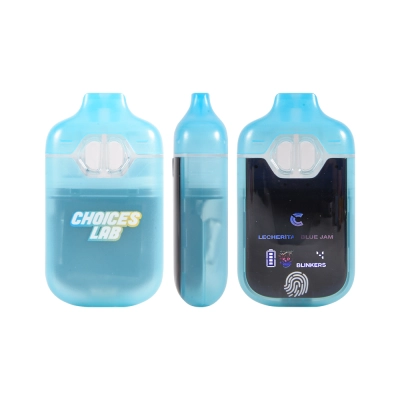
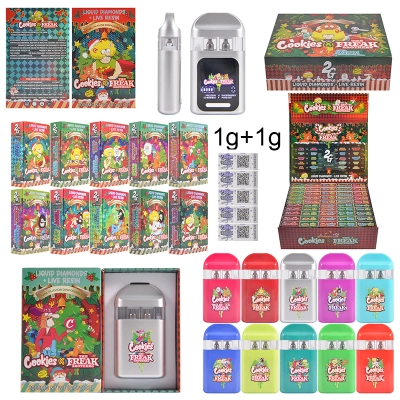
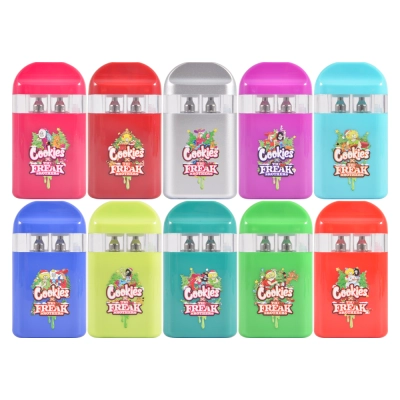
For seasonal retail drops, many operators prefer a clearly differentiated SKU such as packman christmas edition 2g disposable with screen , which helps avoid price comparison against standard SKUs.
Wholesale and redistribution channels
For wholesalers and secondary distributors, simplicity wins. Models that are easy to explain, store, and reorder outperform visually complex SKUs. Consistency matters more than novelty.
In these cases, buyers often prioritize standardized listings such as packman bulk, where specifications remain stable across batches.
Screen size: big screen vs standard display
Screen size is one of the most common points of confusion for B2B buyers. The right choice depends on how much post-sale education your channel can support.
When big screens make sense
- Lower-end consumer markets where visual feedback reduces misuse
- Seasonal or promotional SKUs
- Markets with higher return sensitivity
An example is the pac man christmas edition disposable galaxy 2ml with big screen , which is often selected for visual differentiation rather than long-term SKU consolidation.
When simpler displays perform better
For experienced buyer bases and repeat wholesale customers, simpler interfaces reduce failure points and support faster QC validation during inbound checks.
Capacity and SKU control strategy
Capacity alone does not define performance—but it does affect SKU sprawl. B2B buyers who introduce too many Packman variants early often struggle with forecasting and inventory aging.
Best practice for new brand launches
- Start with one core capacity
- Add seasonal or special editions only after baseline sell-through
- Document a “golden sample” for repeat production
For brands planning private labeling or controlled distribution, sourcing empty packman vapes allows greater flexibility without locking into premature SKU complexity.
Reorder readiness and long-term scaling
The most overlooked factor in Packman model selection is how easy it is to reorder the same device six months later. Minor, undocumented changes can disrupt packaging, inserts, and customer expectations.
Questions to resolve before scaling
- Is the model tied to a seasonal design or evergreen housing?
- Are display components standardized?
- Can packaging be reused across batches?
B2B buyers who answer these questions early experience fewer delays and smoother expansion into new regions.
Decision summary: choosing with confidence
The right Packman model is the one that fits your channel, minimizes operational friction, and supports predictable reorders—not necessarily the most visually complex option.
By applying a structured decision framework instead of browsing models at random, B2B buyers can reduce risk, improve margins, and build a cleaner product lineup that scales.




0 Comments