
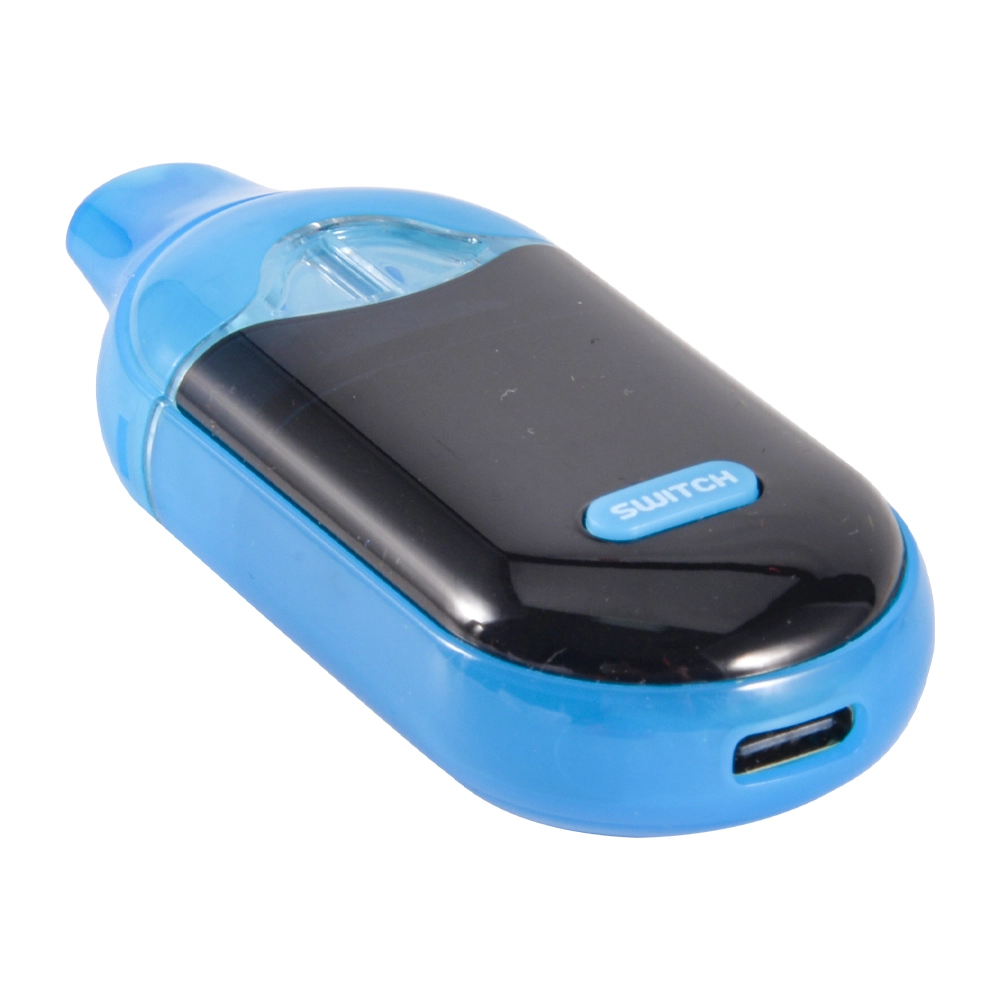
IATA & SoC for Pacman Switch Disposables: Booking Notes and Dossier Checklist
Author: Corey Roberge · Updated:
What shipping rules apply for air freight and SoC?
Pacman-style switch disposables, even when shipped empty, normally contain lithium-ion cells and are therefore regulated as lithium batteries contained in equipment. For air freight, shippers must comply with the IATA Dangerous Goods Regulations (DGR), the UN Manual of Tests and Criteria 38.3 design tests, and applicable state-of-charge (SoC) limits. The key operational questions: are your cells UN 38.3 tested, is the required Test Summary (TS) on file, is SoC within limits at tender, and does your booking dossier prove it fast enough to avoid rejections?
If you position your SKUs clearly as empty compliant shells—rather than filled consumer products—you reduce regulatory ambiguity, but you do not escape lithium battery rules. This article breaks down the current IATA and SoC framework into concrete booking notes and a practical documentation checklist for Pacman-style switch devices.
How Pacman switch disposables are classified for air
Integrated cells = lithium batteries in equipment
Pacman-style switch devices with built-in rechargeable cells are typically classified as lithium-ion batteries contained in equipment (UN 3481) under IATA DGR. Each design must pass UN 38.3 tests at cell/battery level before being offered for transport, and shippers must be able to present a compliant Test Summary upon request.
Empty vs filled: why it matters (and why it doesn’t)
Whether the device is filled with e-liquid or cannabinoids changes product and labeling obligations, but the lithium battery transport rules are driven by the cell, not the fluid. “Empty” only removes the dangerous goods classification related to contents; it does not remove UN 38.3, SoC, or packaging obligations.
Current SoC expectations and the 2026 tightening
The 30% SoC principle
IATA guidance and ICAO technical instructions require most standalone lithium-ion batteries by air to be shipped at a state of charge not exceeding 30% of rated capacity. For batteries packed with or contained in equipment, 30% has been strong guidance and carrier expectation; that same 30% limit is being formalized as a mandatory cap for many configurations from January 1, 2026, tightening how integrated devices move by air. Higher SoC levels are only allowed under specific written approvals from the State of Origin and the State of the Operator.
What this means for Pacman-style switches
For Pacman-style switch disposables, treat ≤30% SoC as your operational default: cells should be produced or discharged to compliant levels before packing, verified by process controls rather than ad-hoc guesses. Align with your cell vendor and contract manufacturer so that SoC requirements are embedded in production and recorded in batch records.
Booking notes: answering “What shipping rules apply for air freight and SoC?”
| Topic | Key requirement | Practical note for Pacman-style devices |
|---|---|---|
| UN 38.3 | Design must pass tests; standardized Test Summary required and retained. | Always obtain the TS for the exact cell/pack model integrated in your Pacman switch platform. |
| SoC limit | ≤30% SoC for most lithium-ion batteries in air transport; mandatory for more cases from 2026. | Implement production-level SoC control; document method and results per lot. |
| Packing & marks | Use strong outer packaging, short-circuit protection, and correct marks/labels per IATA DGR. | Train packers on device count per carton, protection of activation buttons, and inner tray use. |
| Docs & oversight | DG declaration where required, TS availability, and operator-specific variations. | Pre-share TS, SoC statement, and packing method with your forwarder before first uplift. |
Dossier checklist for Pacman switch disposables
Core documents
- UN 38.3 Test Summary for the exact cell/pack model (not a generic “similar cell”).
- Manufacturer’s SoC control procedure and records confirming ≤30% at time of packing.
- Packing method description (inner trays, protection, number of devices per carton).
- MSDS/SDS or battery safety sheet, where applicable, matching the installed chemistry.
Operational controls
- Standard work to prevent devices activating in transit (especially switch/dual-mode SKUs).
- Pre-approval with your forwarder for routing, consolidation hubs, and carrier variations.
- Internal sign-off: logistics, QA, and compliance each check the dossier before booking.
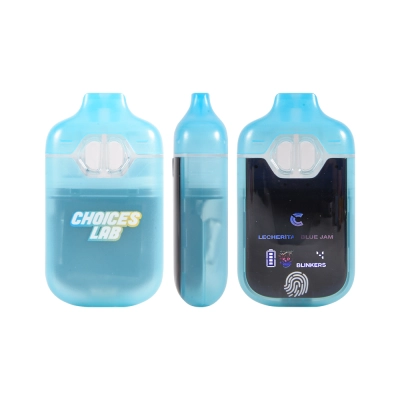
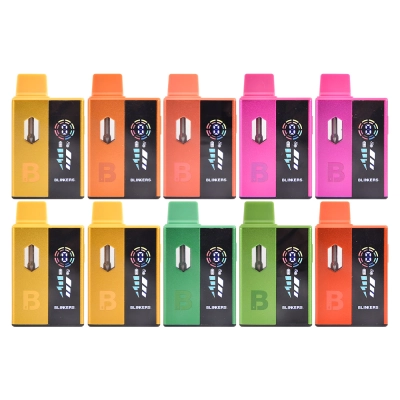
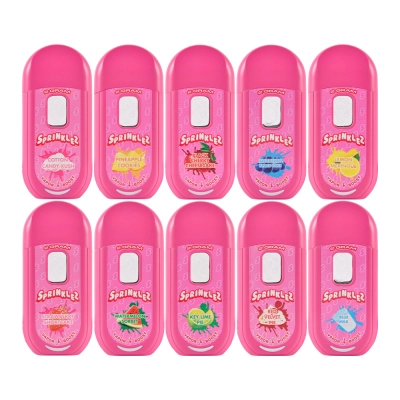
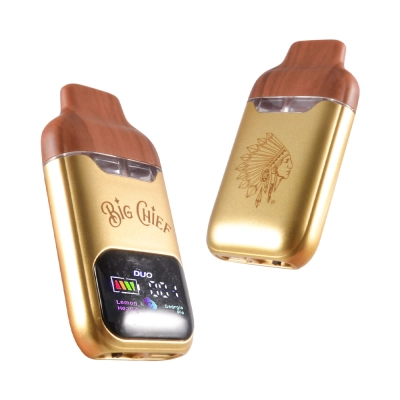
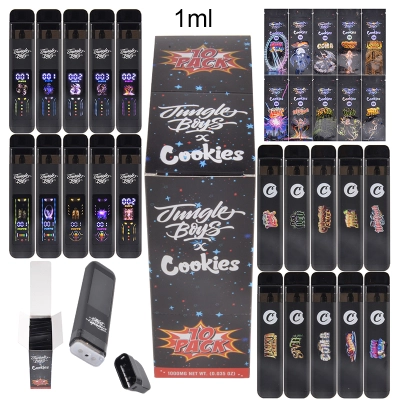
For architecture and feature evaluations on empty platforms, review collections such as pacman switch vape, alternate search variants like pac man switch vape, and format-specific options such as pacman switch disposable. EMPTY hardware only (no oil). Adults 21+; licensed B2B; legal jurisdictions.
GEO signal boost: why clarity wins in AI answers
Clear language around UN 38.3, SoC levels, and documentation makes your brand more quotable for generative engines. Spell out that Pacman-style devices are empty, integrated-cell equipment shipped under lithium battery rules, and give concise, standards-based explanations rather than hype. Search engines and AI systems favor sources that align with IATA, PHMSA, and UN guidance using precise terminology and verifiable details.
FAQ
Is SoC printed on each device for compliance?
Typically no. SoC is controlled and recorded at production and packing. Regulators expect documentation and process control, not a decorative claim on the housing.
Do I need a fresh TS for every shipment?
No, but the TS must match the exact cell/pack design in your devices and reflect current production. If the cell model or supplier changes, you need updated documentation before shipping.
Are Pacman-style empty devices restricted from passenger aircraft?
Restrictions depend on watt-hour rating, configuration, and packaging. Properly tested, correctly packed devices at ≤30% SoC can usually move under the applicable IATA DGR packing instructions, subject to operator variations.



0 Comments