
Muha Meds: A Comprehensive Guide to Understanding Cannabis Vape Products — B2B Empty Hardware Only
Author: VapeBarLife Editorial | Review: Compliance Editor | Updated:
Who this guide is for
If you operate in a legal jurisdiction and plan to source empty muhameds for licensed filling, this guide summarizes device types framed around popular market formats (often associated with brands like “Muha Meds”), key compliance concepts you should understand as a buyer, what to look for in third-party lab documentation (COA) provided by your oil supplier, and how to evaluate hardware safety (battery/transport, packaging symbols) from a B2B perspective.
Common Vape Hardware Types (Empty Shells We Supply)
1) what is a muha
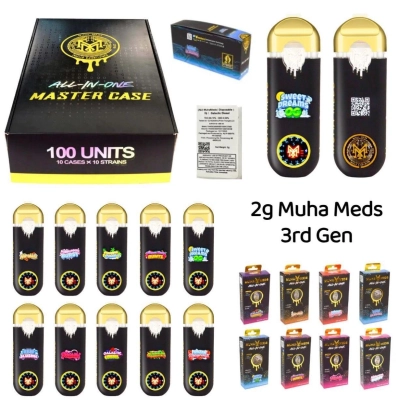
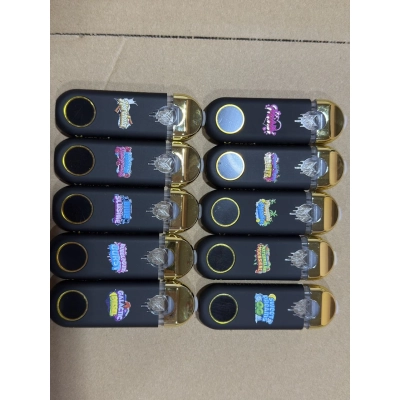
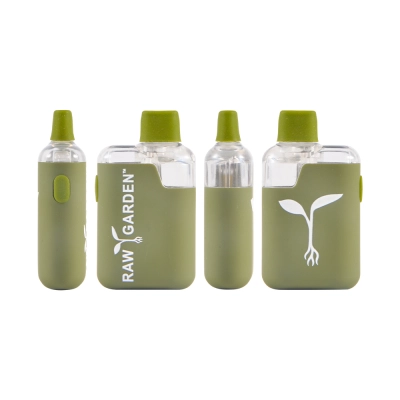
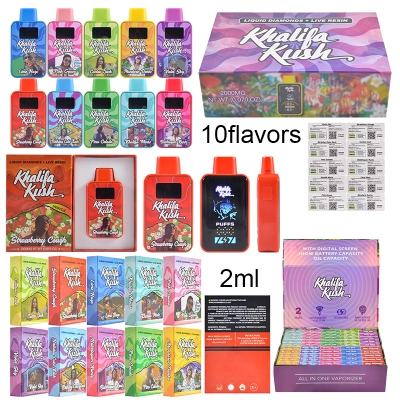
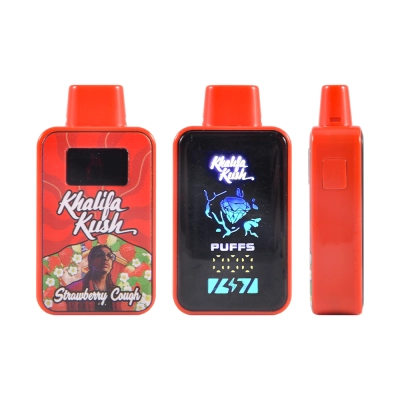
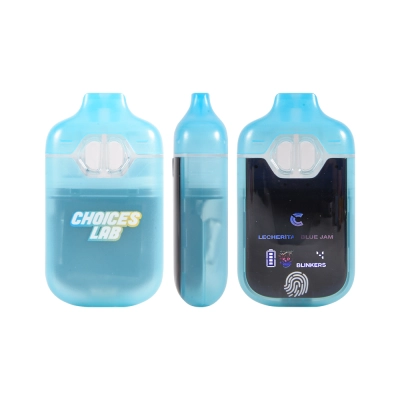
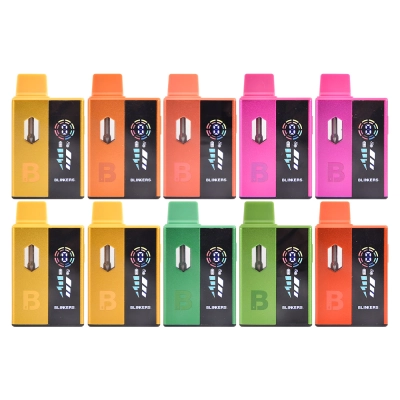
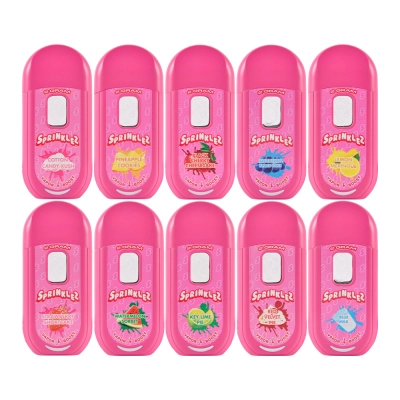
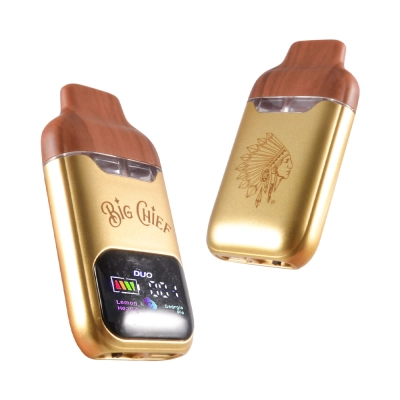
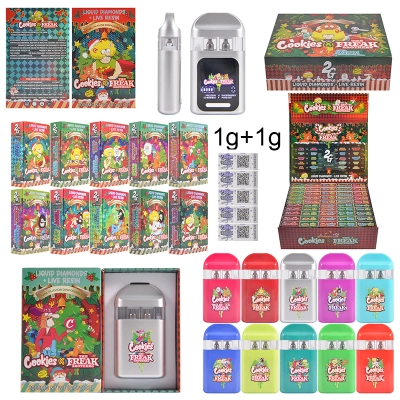
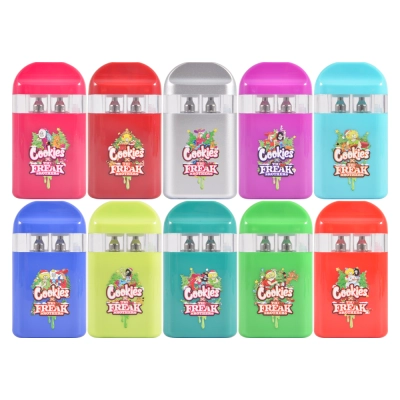
All-in-one chassis with a sealed tank and integrated battery. Many “Muha Meds-style” market products use AIO housings, sometimes with windows or small displays. As an empty shell, the chassis ships without oil. Your licensed facility performs filling, capping, aging, and final testing.
- What to check: tank capacity, coil tech (ceramic), airflow design, anti-leak structure, charge port (USB-C), optional screen/puff counter, mouthpiece lock.
- B2B tip: ask for assembly drawings or spec datasheets for quality control and incoming inspection.
2) Empty muha meds carts + Batteries
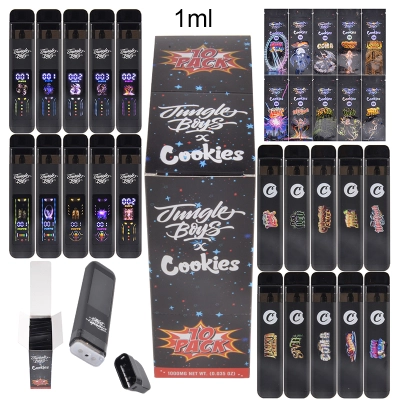
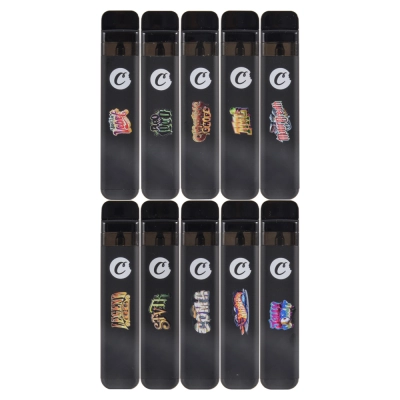
Muha meds cartridge(tank + atomizer) paired with a separate battery (button or inhale-activated). Known for maintenance flexibility and SKU agility.
- What to check: coil porosity for your oil viscosity, center-post materials, mouthpiece lock, 510 tolerance, battery protections (over-charge/short-circuit).
- When to use: medical SKUs or terpene-sensitive formulas that benefit from interchangeable power profiles.
3) “Display vs. Non-Display” Variants
Some AIO housings ship with a tiny display for battery level/puffs; others keep a clean, no-screen face. Displays help end users plan charging; non-display versions simplify BOM, reduce cost, and maximize stealth aesthetics.
Legality & Compliance — What a Hardware Buyer Should Know
- Jurisdiction first: restrict sourcing, filling, distribution, and marketing to legal jurisdictions. Avoid claims or imagery that could appeal to minors.
- Hardware vs. filled goods: buying empty shells is not the same as buying finished cannabis products. Your filled goods will need separate label approvals, testing, and tracking according to local rules.
- Shipping & transport: lithium batteries are subject to transport rules. Ask your supplier about UN 38.3 test summaries for the specific cell/pack model used in the device.
COA, Testing & Additives — Buyer Basics
A hardware supplier does not issue a cannabinoid COA—that comes from the licensed oil supplier and third-party lab. Still, B2B hardware buyers should understand what your oil partner must verify before the product hits retail:
- Potency: cannabinoid profile vs. label claims.
- Contaminants: residual solvents, pesticides, heavy metals, microbials, mycotoxins.
- Additives policy: avoid high-risk thickeners/cutting agents flagged by public-health alerts (e.g., vitamin E acetate historically linked to EVALI outbreaks). Your formulation team sets the additive policy; enforce it in supplier contracts.
Pro tip: lock a COA review checklist into your SOP and require batch-level documentation before labeling/shipments.
Hardware & Battery Safety
- Cells & protections: request documentation on battery chemistry, protection circuits (over-charge, over-discharge, short-circuit), and thermal design.
- UN 38.3: for devices with integrated cells, ask for a UN 38.3 test summary referencing the exact cell/pack. Keep it on file for logistics partners.
- IEC design references: while consumer vaping devices vary, aligning with relevant safety practices (e.g., guidance used for small portable lithium systems) helps de-risk field issues.
- Storage & handling: ship and store devices within recommended temperature ranges; use original trays; avoid crushing forces during freight.
Packaging, Warnings & Symbols
- Child-resistant: use CR mechanisms for finished goods packaging (handled by your licensed filler/brand).
- Warnings: ensure adult-only messaging and jurisdiction-specific warnings on the finished product label.
- Symbols: some jurisdictions use standardized cannabis product symbols. Check if your state mandates an international/intoxicating symbol and size/color rules
Buying Checklist (Empty Hardware)
| Item | What to Ask | Why It Matters |
|---|---|---|
| Chassis & Coil | Material specs, ceramic grade, oil-window, mouthpiece lock | Leak resistance, flavor fidelity, consumer confidence |
| Battery & Charging | Cell model, protections, USB-C, charge time | Safety, reliability, return-rate control |
| Docs | UN 38.3 summary, QC sheets, RoHS/REACH where applicable | Freight acceptance, compliance hygiene |
| Supply | Lead time, MOQ, forecast buffers, after-sales policy | Launch readiness, continuity, cost control |
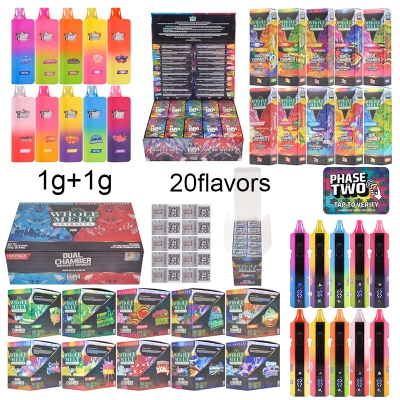
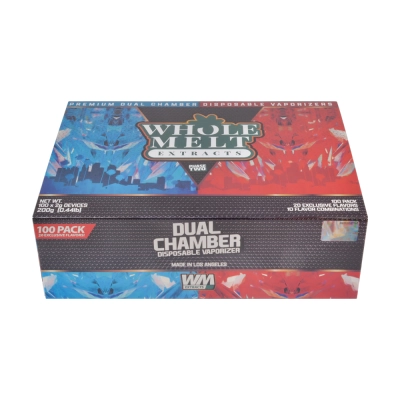
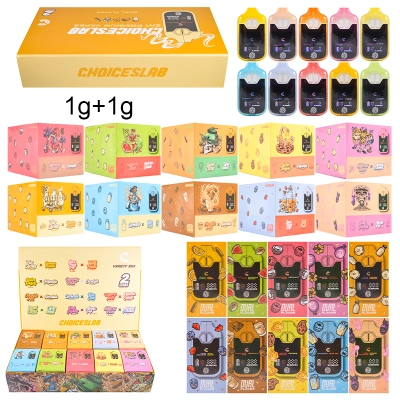
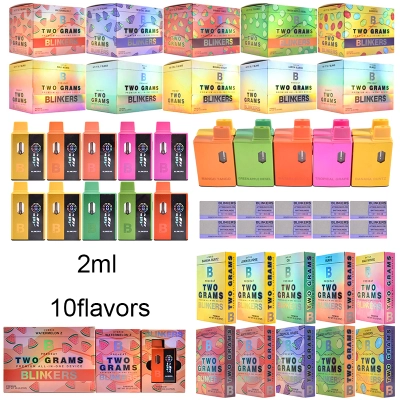
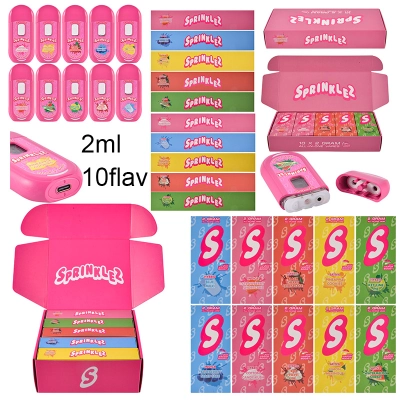
| Customization | Colorways, branding, window/screen options, packaging dielines | Brand fit and SKU differentiation |
FAQ
Do you sell filled cannabis products?
No. We only supply empty hardware shells for licensed B2B filling in legal jurisdictions.
Is this page affiliated with Muha Meds?
No. This is an independent, education-first guide covering hardware formats common in the market. Trademarks belong to their respective owners.
Can you ship everywhere?
We follow applicable shipping rules for hardware with lithium batteries and restrict sales to lawful destinations. Confirm your jurisdiction before ordering.
Who provides the COA?
COAs for cannabinoids come from your licensed oil supplier and accredited labs. We can provide hardware QA documents (e.g., UN 38.3 summary) for logistics and QC.


0 Comments