
MoFu → BoFu · QC / Incoming Inspection · B2B Hardware Playbook
Packman Dispo QC Checklist: How to Prevent Leaks, Dry Hits and DOA Units
This guide is written for B2B buyers who source empty hardware shells. Your fill oil, compliance, and labeling remain your responsibility.
Why “Packman Dispo” QC is a profit lever (not a cost)
For B2B resellers and fillers, the fastest way to protect margin is to reduce avoidable returns: leaks (mess + reputational damage), dry hits (repeat customers disappear), and DOA units (labor-heavy RMAs). A simple, repeatable incoming checklist creates predictable defect rates, cleaner seller feedback, and more confident reorders.
If you’re building your Packman format lineup, start with the collection page so you can standardize your spec sheet across models: packman pen wholesale. If your customers use common shorthand, align your naming to how buyers search and speak: packman dispo.
Defect map: leaks vs dry hits vs DOA
Use this defect taxonomy to stop arguing about “who’s at fault”
Leaks
- Seal stack issue (mouthpiece gasket / tank seam)
- Center post / chimney fit tolerance
- Over-wetting during fill or insufficient soak control
- Transit damage (micro-cracks, dented shells)
Dry Hits
- Restricted oil path (intake, cotton contact, viscosity mismatch)
- Coil/wick geometry not tuned to your fill
- Airflow imbalance (too tight → overheating, too open → inconsistent draw)
DOA
- Battery protection trip, board fault, sensor fault
- Charging port solder issue / connector alignment
- LED/screen works but no output (switch/sensor path)
Incoming QC plan you can run in 30–60 minutes per lot
AQL-style sampling (simple, practical version)
Don’t test 100% unless you’re debugging a new supplier. Use sampling to catch drift early while staying fast. Pick a consistent sample size per lot and record outcomes every time (leaks / dry hits / DOA). If defect rate rises, switch to tightened inspection until the supplier recovers.
Step-by-step incoming workflow
- Lot intake: confirm SKU, batch/lot ID, quantity, carton condition, and photo-document any crush or puncture.
- Visual + fit: check mouthpiece seating, tank seam, charging port alignment, button/sensor window, screen lens.
- Electrical: quick power-on, LED/screen function (if present), charging detection, and output activation test.
- Airflow: draw test for obvious blockage or extreme tightness across samples.
- Leak stress: warm-hand test + gentle shake + short rest on white tissue to spot micro-leaks.
- Record + grade: log defects by type; quarantine if you see repeat patterns.
| Check | How to test | Pass criteria | Fail tag |
|---|---|---|---|
| Mouthpiece & tank seam | Finger pressure + seam visual | No gaps, no rocking, no visible seam lift | Leak-risk |
| Charging port alignment | Cable insert test (2–3 tries) | Connects smoothly; no wobble; charge icon/LED triggers | DOA-risk |
| Activation | Short activation test (button/sensor) | Consistent response; no intermittent cut | DOA-risk |
| Airflow consistency | 3-draw test per unit sample | Similar draw resistance across samples | Dry-hit-risk |
| Leak stress | Warm + shake + tissue rest | No wet spots, no smell, no droplets | Leak-risk |
Leak prevention checklist (root causes + quick tests)
1) Seal stack integrity
- Look for: mouthpiece not fully seated, gasket pinch, uneven seam.
- Quick test: press around the mouthpiece perimeter; if it “clicks” or shifts, quarantine that batch sample.
- Fix request to supplier: provide photos + ask for gasket spec confirmation and assembly torque/press controls.
2) Chimney / center path fit
- Look for: inconsistent draw combined with occasional spitback or wetness near the top.
- Quick test: compare airflow across 10 samples; wide variation suggests tolerance drift.
- Fix request: ask for tolerance map / go-no-go gauge method for the center path.
3) Transit amplification (the hidden leak multiplier)
- Look for: cartons with crush corners, punctures, or heavy compression bands.
- Quick test: open 1 damaged carton first; inspect seam micro-cracks under bright light.
- Fix request: ask for upgraded inner trays, corner protection, and drop-tested pack-out.
Dry hits checklist (oil path + wicking + airflow)
Diagnose dry hits without guessing
Dry hits are usually a flow-rate mismatch: the coil heats faster than the wick can resupply. Your fill viscosity, soak time, and intake geometry must match the coil/wick design.
- Check draw tightness: overly tight draw can overheat the coil locally and trigger burnt notes.
- Confirm soak control: your SOP should define soak time by viscosity tier; inconsistent soak = inconsistent customer experience.
- Watch for intake restriction: if one batch feels tighter, treat it as a process drift signal (not “user error”).
- Escalation rule: if ≥2 samples show harshness early in testing, quarantine and request coil/wick lot traceability.
DOA checklist (battery, board, sensor, charging)
Fast DOA triage: 5 checks in under 2 minutes
- Charge detection: plug in and confirm immediate indicator response.
- Power response: tap/press activation and watch for LED/screen behavior consistency.
- Output response: activation should be repeatable; intermittent output suggests sensor/board path issues.
- Port stability: if the cable only works at a certain angle, treat as solder/alignment defect.
- Batch pattern: if DOA clusters by carton, suspect handling or a sub-lot issue; quarantine by carton ID.
Pack-out & transit: stop “shipped-good / arrived-bad” claims
Many leak/DOA disputes happen because the supplier and buyer define “safe shipping” differently. Your pack-out standard should include: carton strength, inner tray support, corner protection, and clear damage documentation rules.
- Receiving SOP: photo every carton face + labels + any damage before opening.
- Quarantine logic: open damaged cartons first; do not mix units into clean inventory until tested.
- Carrier claim readiness: keep carton, padding, and product evidence together for quicker claims.
Supplier scorecard + corrective actions (CAPA-lite)
Treat QC like a scoreboard. If a supplier knows you track and trend defects, quality usually improves. Score each lot and share a short monthly summary.
| Metric | Target | Red flag | Corrective action request |
|---|---|---|---|
| Leak findings (sampled) | Near-zero | Repeated seam or mouthpiece pattern | Seal spec confirmation + assembly control proof |
| Dry-hit risk indicators | Consistent draw | Wide airflow variation | Tolerance map + go/no-go method |
| DOA rate (sampled) | Near-zero | Port/screen clusters in one carton | Charging port QC + sub-lot traceability |
| Transit damage | Minimal | Crush/puncture recurring | Pack-out upgrade + drop test evidence |
BoFu: what to request before your next reorder
If you want fewer surprises, ask for these items before payment—then match them to your incoming inspection log. This turns your reorder into a controlled process instead of a gamble.
- Lot ID + sub-lot mapping: carton IDs tied to production batches.
- Basic QC evidence: port alignment checks, seam/press checks, functional activation sampling.
- Packaging spec: inner tray material, corner protection, carton strength.
- RMA rules: defect categories, photo/video evidence requirements, and time window.
Holiday SKU note (seasonal demand planning)
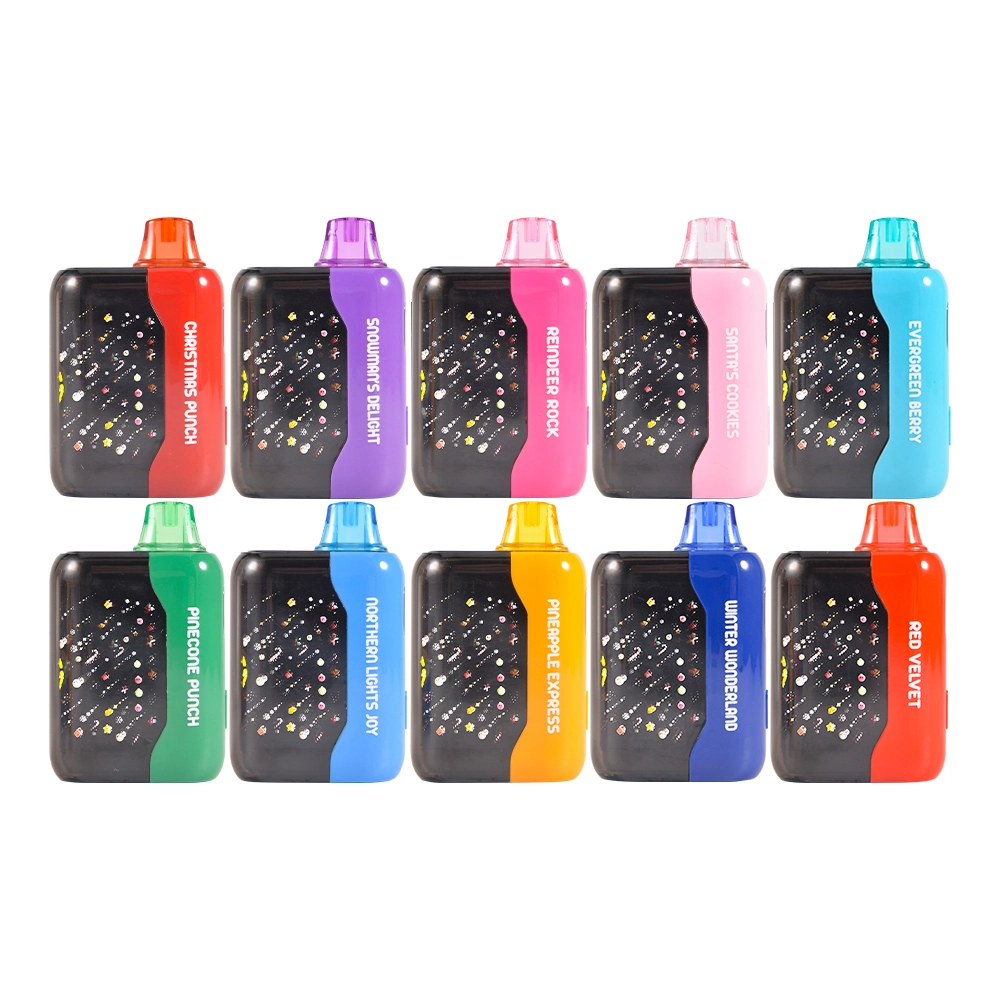
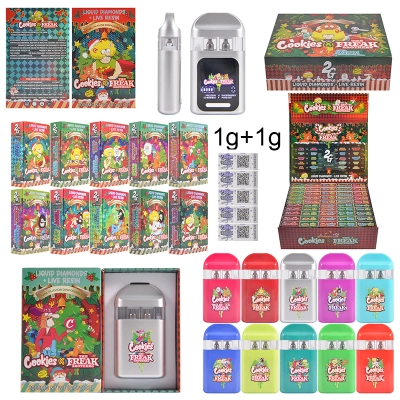
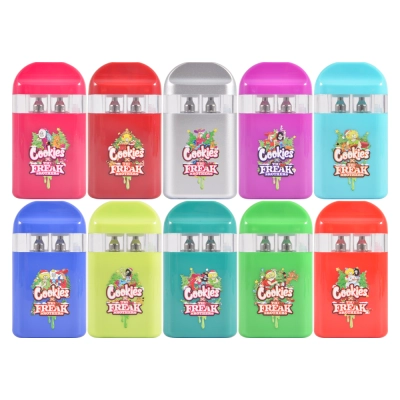
If you’re adding seasonal graphics or screens, keep those SKUs separated in inventory and sampling logs. For example, these two listings are useful references when your buyers ask for holiday-ready shells: pac man christmas edition disposable galaxy 2ml with big screen and pacman christmas edition galaxy 2g screen dispo .
Want this checklist formatted as a 1-page printable receiving SOP for your warehouse team? Copy this page into your internal playbook and keep the tables.



0 Comments