
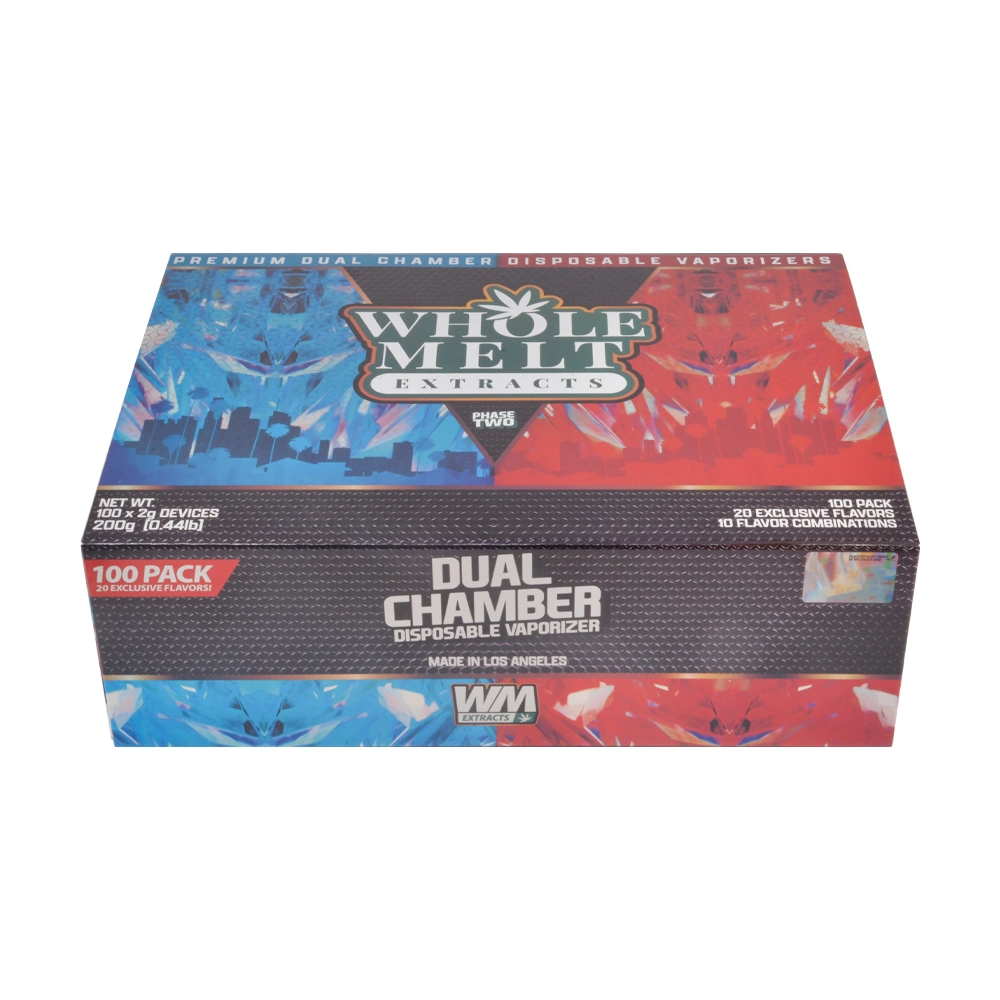
Whole Melt V7 Wholesale FAQ: MOQ, Tiered Pricing, QC Risks, and Pre-Order Strategy
If you’re planning a V7 launch (or restock) and want fewer surprises, this FAQ is built for the real wholesale workflow: MOQ → tiered pricing → QC risk control → pre-order strategy that protects margin and reduces returns. For product reference and live availability, see wholemelt v7 and the broader empty whole melts disposable lineup.
Quick answers (what buyers ask first)
What is the baseline MOQ?
On VapeBarLife’s V7 listing, the first published tier starts at 100 pieces+, then steps to 300/500/1000. That is a practical MOQ anchor for planning. (Live tier display may change with stock status.) See wm v7.
What buyers really mean by “MOQ”
- MOQ for the hardware SKU (device + packaging)
- MOQ for customization (logo/box/insert/QR)
- MOQ for repeat stability (same BOM + same assembly window)
MOQ & what “MOQ” really includes
Device spec elements that impact MOQ
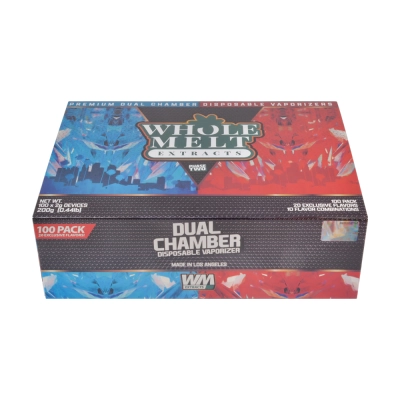
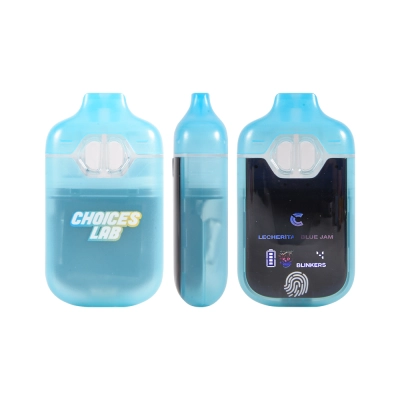
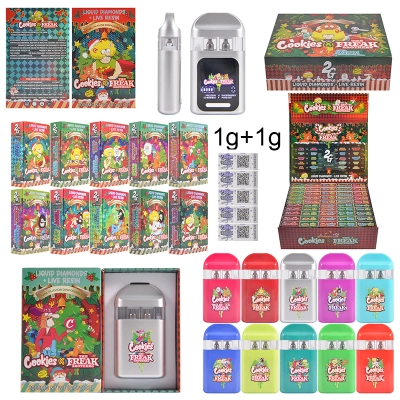
Dual-chamber devices with a screen add more failure points than single-tank pens. On the V7 listing, the device is shown as 1+1ML (empty) with a 450mAh rechargeable battery. These features typically increase the need for tighter incoming QC and more structured pre-production sampling. (Reference: wholemelt v7 disposable 2ml with screen )
MOQ planning rule that prevents “cheap-but-expensive” orders
Treat MOQ as a total risk budget, not just a minimum count: if you can’t afford a 1–2% defect rate on arrival, your effective MOQ is “MOQ + sampling + retest + rework buffer”. That’s how experienced distributors keep return rates from eating margin.
Tiered pricing (how to model margin)
Published tiers you can use as a benchmark
The current V7 product page shows the following tiered pricing (subject to change with promotions/stock):
| Order Tier | Displayed Price / Unit | What this tier is useful for |
|---|---|---|
| 100 pcs+ | $4.68 | Initial market test, first retail placement, photography/content build |
| 300 pcs+ | $3.93 | Small chain rollout, first “real” margin modeling tier |
| 500 pcs+ | $3.84 | Stable replenishment tier (good for predictable reorder cadence) |
| 1000 pcs+ | $3.74 | Pre-order / launch inventory (best ) |
Tiered pricing: what to ask so you don’t get surprised later
- Is the price tied to a BOM revision? (screen module, switch mechanism, tank seal)
- Does your tier include packaging? (master carton count, inner trays, inserts)
- What is the replacement policy for DOA screens? (define “DOA” and sampling proof)
QC risks unique to dual-chamber + screen builds
Risk #1: micro-leaks that don’t show up until transit
Dual-tank + switching hardware adds more seals and interfaces. Your best defense is a simple, documented pressure/visual gate before shipping and again on receiving. If you need to ship active devices with lithium batteries, follow formal guidance (see: PHMSA Lithium Battery Guide (2024)).
Risk #2: DOA screens and intermittent switch behavior
Screen issues often come from handling, connector seating, or battery protection circuitry trips. Build a fast “power-on + UI cycle” test into both pre-ship and inbound inspection. Also confirm whether the device is shipped as “equipment with battery” or another declared configuration (relevant for air/road compliance; see: IATA Lithium Battery Guidance (2025)).
Risk #3: batch-to-batch feel differences (draw, switch force, mouthpiece fit)
Ask for a change-control promise: “Month-1 equals Month-12” is only real when suppliers lock critical dimensions and use documented incoming checks. In your SOP, track: switch actuation consistency, mouthpiece snap force, and any “rattle” rate.
Pre-order strategy (reduce stockout + price risk)
When pre-orders make sense
Pre-order is smartest when:
- You’re planning paid traffic or a seasonal drop
- You want the 1000+ tier economics for margin
- You need consistent packaging for retail chains
Pre-order is risky when:
- You haven’t validated QC on a sample set
- Your market needs frequent cosmetic refreshes
- Your returns/refunds policy is not finalized
The “2-phase” pre-order that protects you
Phase B (commit gate): lock a larger tier only after you pass your inbound checklist and confirm demand. This is how most distributors reduce “inventory regret” without giving up tier pricing leverage.
Receiving QC: 30-minute inbound gate
Fast inbound checklist (do this before you shelve inventory)
- Carton integrity: crushed corners, moisture, re-tape evidence
- Count accuracy: master carton count vs PO
- Visual QC sample: 20–32 units per lot (screen, seams, mouthpiece fit)
- Power-on test: screen boots + battery indicator + switch response
- Mechanical feel: switch consistency + no rattles
How to set a pass/fail threshold that sales can live with
Don’t argue about “perfect.” Define what is sellable vs non-sellable, and lock replacement rules in writing. For lithium battery transport, regulators expect proven test compliance for types shipped; see U.S. DOT hazmat requirements at 49 CFR 173.185.
Logistics & compliance (battery shipping reality)
UN 38.3 isn’t “nice to have”
For lithium cells/batteries, transport rules reference UN Manual of Tests and Criteria 38.3, and many supply chains require a test summary. A practical explanation and why it matters for shippers is covered here: UN 38.3 testing & test summary overview. For shipper-facing packaging/marking guidance, use: PHMSA (2024) Lithium Battery Guide.
What to confirm before you choose air vs ground
- Declared configuration: battery in equipment vs packed with equipment
- Labeling: proper lithium marks / documentation where required
- Carrier rules: IATA/ICAO for air; local hazmat rules for road
Reference for air guidance: IATA Lithium Battery Guidance (2025).
Positioning that converts (MoFu buyers want certainty)
Lead with:
- Tier pricing transparency + reorder cadence
- QC gate: “what we check, when we check, what we replace”
- Pre-order structure: sample → commit
Avoid:
- Overpromising “zero defects” without a written policy
- Mixing versions in one PO (creates returns + reputation drag)
- Launching without a receiving SOP
Internal link paths that keep shoppers moving
Use product-level intent links inside your FAQ to keep readers in-market: empty whole melts disposable .
RFQ checklist (copy/paste)
Send this to your supplier before you pay the balance
- SKU: V7 dual-chamber + screen (confirm exact revision / “phase”)
- MOQ & tier: 100 / 300 / 500 / 1000+ pricing locked for how long?
- Spec confirmation: capacity (1+1ML), battery (mAh), charging interface
- QC plan: power-on test, switch test, cosmetic AQL, carton drop/handling expectations
- Replacement terms: DOA screens, missing units, transit damage
- Logistics: declared battery configuration + labels/docs per carrier rules
- Change control: BOM/dimension changes require written notice
Wholesale FAQ (short, direct)
What’s the fastest way to reduce QC problems?
Run a two-gate system: pre-ship (supplier) + receiving (your warehouse), and agree in writing what qualifies for replacement. Dual-chamber + screen hardware punishes “no-process” buyers.
Which tier should I choose if I’m launching paid ads?
If your demand plan is credible, tier economics usually favor the largest tier you can support with a receiving SOP—because returns are what destroy margin, not the invoice price. Use the “sample → commit” pre-order structure if you’re uncertain.
Do I need to care about lithium battery shipping rules if it’s “hardware only”?
Yes—if the shipment includes lithium batteries, transport rules apply. Start with: 49 CFR 173.185, PHMSA shipper guide (2024), and IATA guidance (2025).
Ready to quote? Use the RFQ checklist above, then start with a small validation order and scale into tier pricing. For browsing related SKUs, go to Whole Melt and the whole melt disposable wholesale collection.
Note: This article discusses wholesale empty hardware and logistics/QC processes only. Always follow applicable local laws and carrier requirements. Pricing and availability can change; refer to the product page for the latest tier display.



0 Comments