
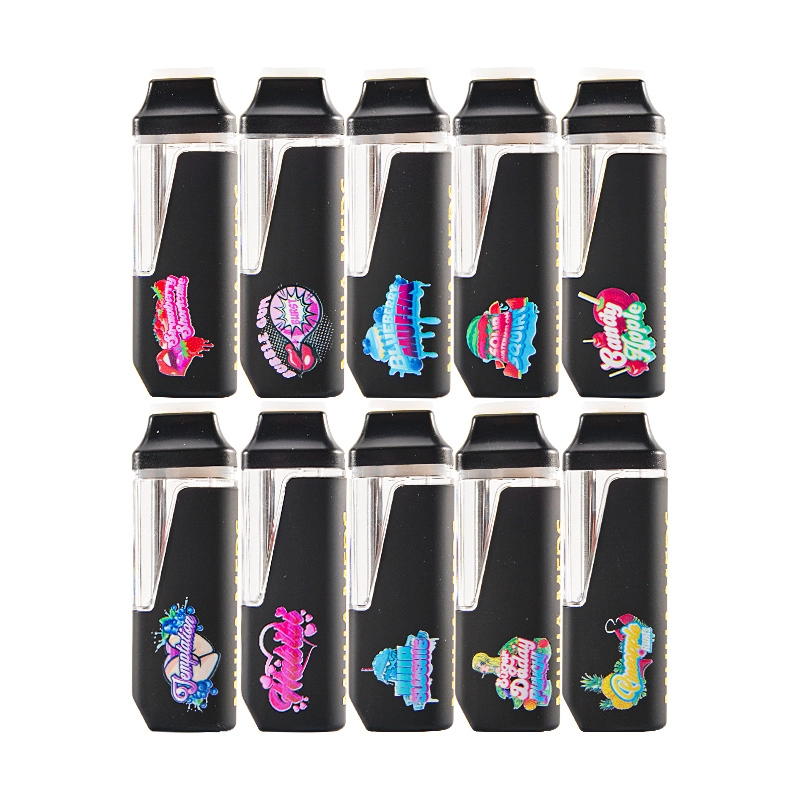
Wholesale Terms for Muha-Style Empty Hardware: MOQ, Lead Time, Warranty, Traceability
Author: Riley Stanton · Updated:
Key facts in 30 seconds
- Serious programs typically start at 1,000–5,000 units per SKU and scale into 20,000–100,000+ with locked specs and QA.
- Standard lead times run 12–25 days ex-factory for repeats; add time for coatings, printing, compliance checks, and ocean/air legs.
- Warranty is only credible when tied to documented defect taxonomy, AQL, and traceable batch coding—not vague “we’ll replace it.”
- With integrated cells, you must hold a proper UN 38.3 Test Summary and follow 30% SoC air-transport rules moving to mandatory from Jan 1, 2026.
MOQ: what’s realistic for Muha-style empty hardware
For Muha-style silhouettes and similar AIO formats, MOQ is driven by custom plastics, tooling amortization, and finish.
| Tier | Typical MOQ (per SKU) | Best use case |
|---|---|---|
| Pilot | 500–1,000 units | Bench tests, stability, small retail trials; expect higher unit cost and limited customization. |
| Launch | 2,000–5,000 units | Regional release with custom color/printing; allows meaningful QC data and RMA tracking. |
| Scale | 10,000–100,000+ units | National programs; supports sharper pricing, dedicated tooling, and stronger warranty terms. |
MOQ below these ranges usually means generic stock with weak documentation or inconsistent QC. Treat ultra-low MOQ “brand-name” offers as a red flag and insist on real compliance papers before proceeding.
Lead time: how to read real numbers (not brochure promises)
Baseline production windows
- Sampling: 5–10 business days for neutral samples; 10–20 days for custom colors/prints.
- Initial mass (after approval): 15–30 days ex-factory depending on complexity and coating.
- Re-orders: 10–20 days ex-factory with stable forecasts.
Transit and compliance impact
For integrated-cell hardware, add time to verify UN 38.3 Test Summaries, pack at or below the required state of charge, and clear carrier reviews. Air freight shortens transit but is constrained by lithium battery rules; ocean is slower but more forgiving on volume and cost.
Warranty terms that actually protect you
A credible wholesale warranty is specific. It should define:
- Coverage window: commonly 3–6 months from receipt for manufacturing defects on empty devices.
- Defect taxonomy: separating functional failures (no-fire, dead-on-arrival, electrical faults, severe leakage) from minor cosmetic issues.
- AQL and sampling: reference to statistically valid sampling (e.g., ANSI/ASQ Z1.4) instead of arbitrary photos in chat.
- Remedy: clear rules for replacement credits or add-ons in the next shipment once defect evidence is verified.
If a supplier cannot anchor their warranty to traceable batches and objective defect categories, your risk is effectively uncapped.
Traceability: the backbone of serious wholesale
High-trust programs require every tray and master carton to be traceable back to components and tests. A strong Muha-style hardware vendor should provide:
- Batch IDs on device or packaging: encoded to production date, line, and lot.
- Linked documentation: UN 38.3 Test Summary for the exact cell/pack model; references to safety testing aligned with IEC 62133-2 for portable lithium systems.
- Retained samples and records: kept for an agreed period to support investigations if an issue surfaces downstream.
This traceability is non-negotiable once you operate across multiple states or countries with varying cannabis and consumer-product regulations.
Operational best practices for buyers
Lock documentation upfront
Before committing a PO, require the lithium battery Test Summary and spec sheets. Validate that model numbers match engravings or labels, not just marketing names.
Forecasts and buffer stock
Align quarterly forecasts so your vendor can stage critical components. This shortens repeat lead times and stabilizes quality.
Joint RMA protocol
Define how failures are sampled, documented, and reported. Good partners will share root-cause analysis instead of defaulting to blame.
FAQ: MOQ, lead time, warranty in one place
What MOQ should I treat as “serious” for custom Muha-style shells?
From 2,000–5,000 units per SKU and up. Below that, expect limited customization and scrutinize documentation closely.
How much lead time should I plan from PO to warehouse?
Commonly 4–8 weeks total: 2–4 weeks production plus 1–4 weeks transit, depending on route and compliance checks.
What is a good defect rate commitment?
Look for vendors willing to define functional defect thresholds and AQL-based sampling, with written remedies for confirmed issues.
Why is traceability so critical?
Without batch-level traceability tied to test summaries and QC data, you cannot isolate problems or defend your brand in regulated markets.


0 Comments